Tensions Mount as South Korea Prepares for Landmark Presidential Impeachment Verdict
South Korea’s Constitutional Court will rule Friday on President Yoon Suk Yeol’s impeachment, concluding a 111-day review of his December 2024 martial law declaration that deployed 1,580 troops to besiege parliament.
The unprecedented crisis began when Yoon accused opposition lawmakers of colluding with North Korea, triggering a six-hour military occupation of legislative buildings before lawmakers revoked his emergency decree.
Parliament impeached Yoon 204-85 on December 14, marking South Korea’s longest presidential impeachment review – surpassing Park Geun-hye’s 91-day process.
Polls show 69% of citizens support removing the conservative leader, though divisions persist with 56% of over-70s opposing dismissal. The political earthquake has paralyzed governance, slashing 2025 GDP forecasts to 1.6% as foreign investors withdrew $4.2 billion through March.
Security forces will deploy 12,000 officers across Seoul amid fears of violence mirroring 2017’s impeachment riots that killed four. The court heard testimony from 16 witnesses including former Defense Minister Kim Yong-hyun, who confirmed advising martial law but denied planning legislative interference.
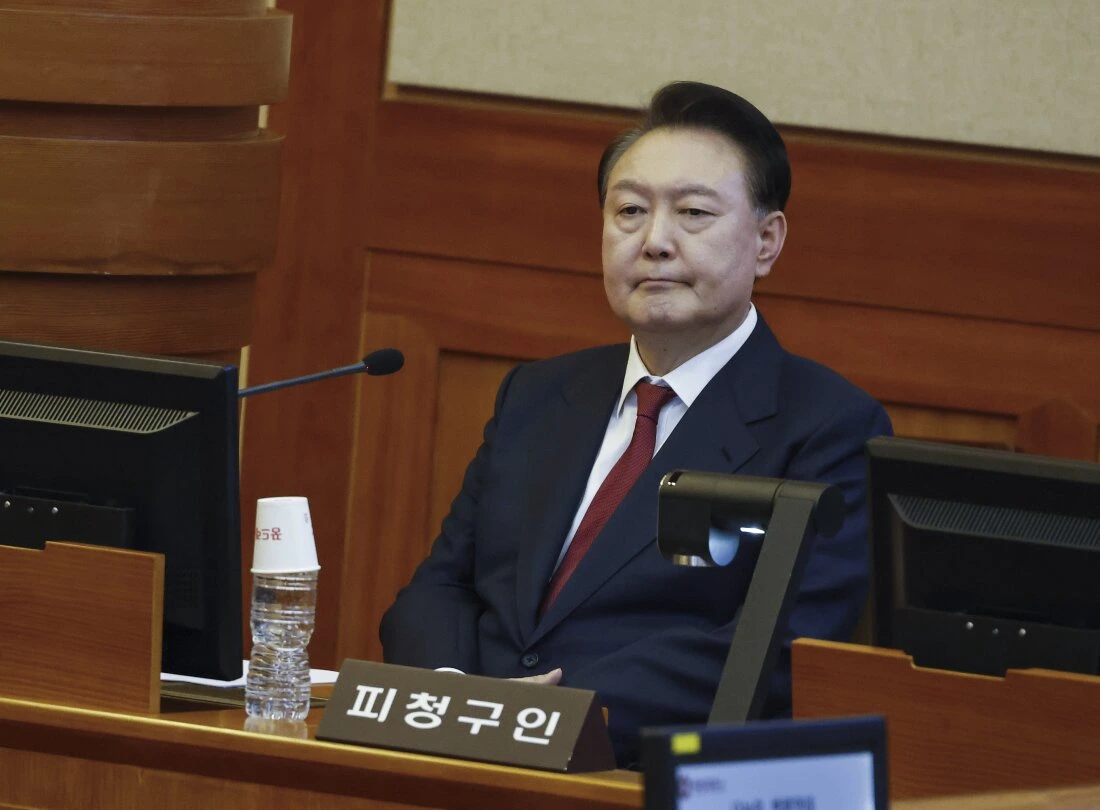
Yoon faces separate insurrection charges carrying life imprisonment if convicted. Economists warn prolonged uncertainty could destabilize Asia’s fourth-largest economy, already reeling from 8.3% semiconductor export declines.
South Korea’s Political Crisis
The crisis has reshaped political alliances, with 12 ruling party legislators defecting during impeachment votes. Opposition leader Lee Jae-myung leads presidential polls despite pending bribery appeals that could disqualify him if finalized before elections.
The verdict carries constitutional implications for presidential emergency powers under Article 77. Six of eight justices must endorse removal to trigger elections within 60 days.
Legal analysts note the extended deliberation period suggests contentious debate over defining “constitutional violation” thresholds. International observers monitor ripple effects across Northeast Asia, particularly regarding North Korea policy.
Analysts estimate 43% of manufacturing firms delayed expansion plans due to the crisis, while tourism arrivals dropped 31% year-on-year. Friday’s decision concludes a turbulent chapter in South Korea’s democratic history, testing institutional resilience amid polarized factions.
The ruling will either validate parliamentary oversight of executive authority or reinforce presidential emergency powers – with consequences for regional stability and global supply chains.
This article was produced by The Rio Times’ automated newsroom system. How we use AI · Report an error
Read More from The Rio Times