Alexander Stubb’s election as Finland’s president heralds a shift in the nation’s politics towards conservatism.
With 51.6% of votes, he defeats the Green Party, signifying the National Coalition Party’s robust position.
This victory is critical, especially given Finland’s strategic proximity to Russia amid post-Ukraine invasion tensions.
After a seven-year hiatus, Stubb focuses on peace and global diplomacy, succeeding Sauli Niinistö and signaling continuity in the National Coalition Party.
Niinistö had a vital role in Finland’s NATO membership.
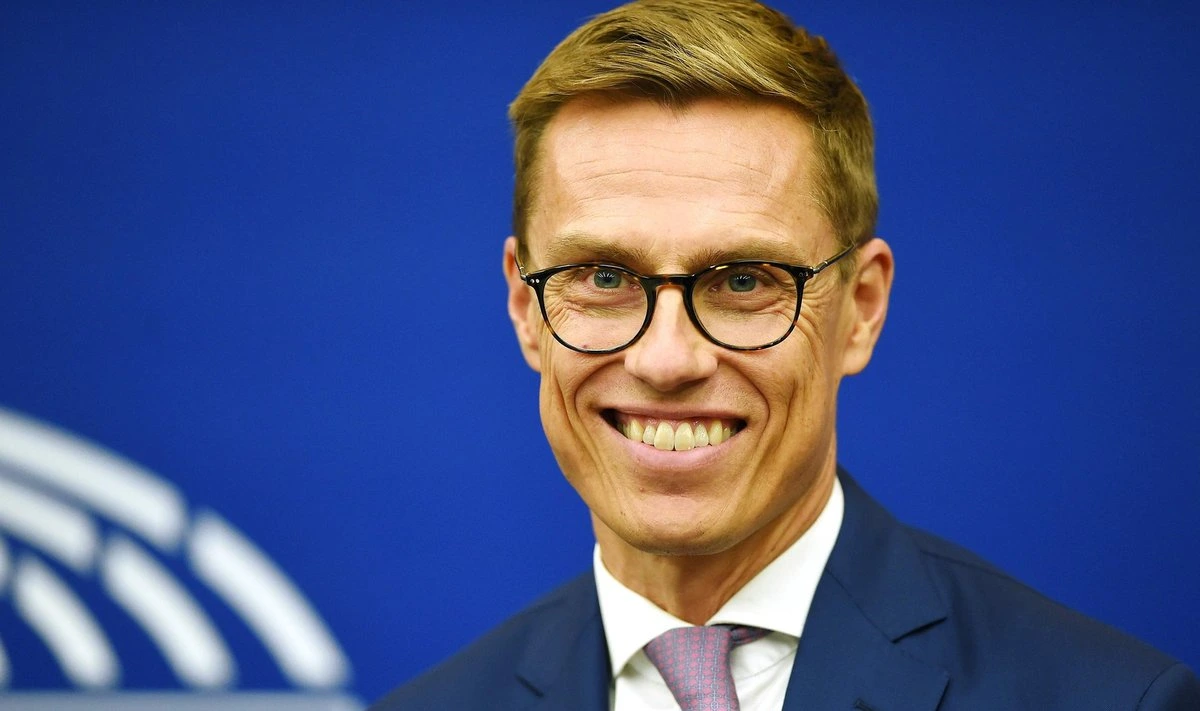
Stubb’s diverse political history and his upbringing in a bilingual home enrich his perspective on domestic and international affairs.
Despite declaring a retirement from politics in 2017, his return shows maturity and a collaborative approach.
Stubb views his presidency as a significant honor, ready to guide Finland through emerging global challenges.
Stubb’s presidency underscores Finland’s ongoing commitment to bolstering its EU and NATO ties in response to current security concerns.
Openness to host nuclear weapons suggests a shift in Finland’s defense policy, aligning with sovereignty protection and peace advocacy.
As Stubb assumes office, Finland anticipates addressing global challenges while upholding its legacy of peace and safeguarding national interests internationally.
This article was produced by The Rio Times’ automated newsroom system. How we use AI · Report an error
Read More from The Rio Times