South Sudan Ends Emergency Rule in 4 States
South Sudan’s president has lifted emergency rule in four states. An activist and an analyst say the step matters for campaigning before the February 2027 elections.

Politics: South Sudan
President Salva Kiir on Thursday evening ended the state of emergency in four South Sudanese states, with immediate effect. His order, read on the state broadcaster, the South Sudan Broadcasting Corporation (SSBC), on 26 November 2026, covers Lakes, Warrap, Western Bahr el Ghazal and Unity.
The order came as the Inter-Party Political Dialogue in Juba, a forum of South Sudan’s parties, ended. General elections are set for 11 February 2027.
Key Facts
- What. President Salva Kiir ended the state of emergency, with immediate effect.
- Where. Four states: Lakes, Warrap, Western Bahr el Ghazal and Unity.
- Next. General elections are set for 11 February 2027.
- As of. 27 November 2026, 20:30 GMT
South Sudan’s president has lifted emergency rule in four states. An activist and an analyst say the step matters for campaigning before the February 2027 elections.
The order says the aim is to restore normal governance, uphold the rule of law, protect civilians and ensure constitutional rights. It directs all national and state institutions to resume their ordinary constitutional and legal responsibilities.
The order was read on air, so its wording comes from the broadcast. It does not detail which emergency measures were in force when it ended.
The dialogue brought party leaders together in Juba, and its recommendations reached Kiir on Thursday. The emergency order followed the same evening.
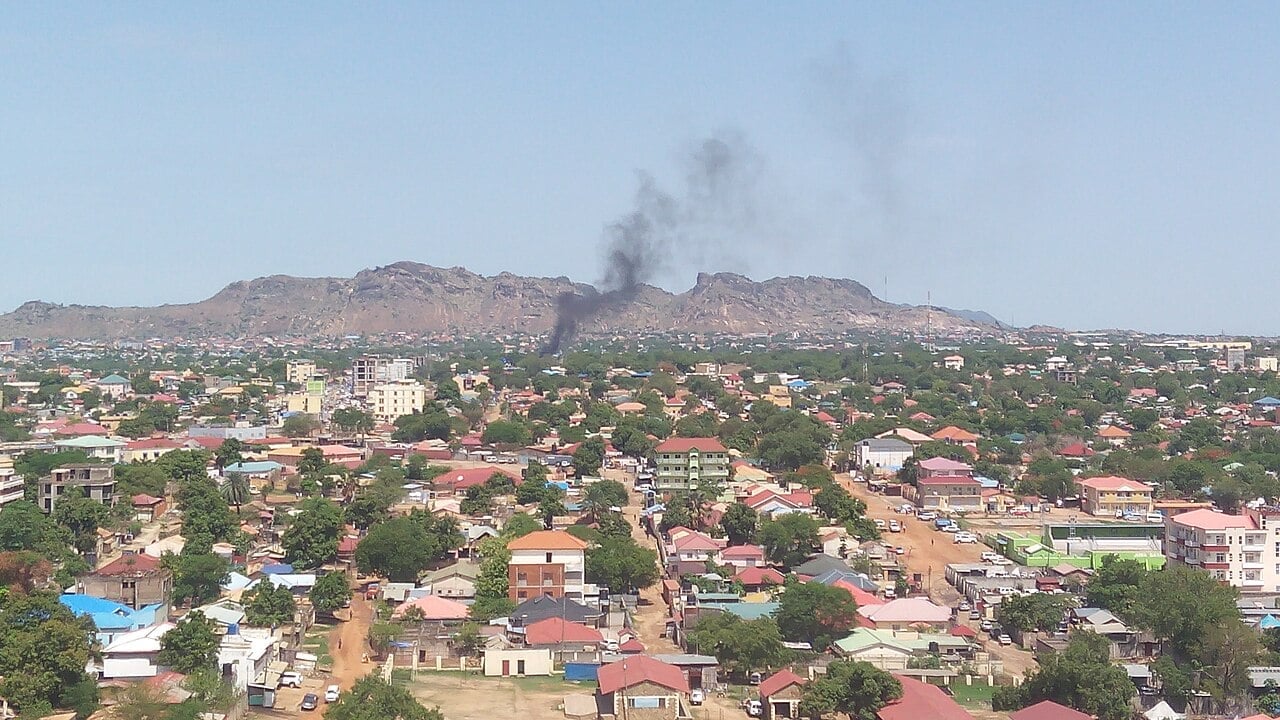
Warrap had been under emergency measures since 2025, after deadly intercommunal clashes. Measures covering the four states were declared on 29 July 2026 under Republican Order No. RSS J2707-2026, a presidential decree, and the order ending them was announced on Thursday.
Security forces were to disarm civilians under the measures. In November 2026, military authorities confirmed that troops had been deployed to Wau County in Western Bahr el Ghazal under them.
The restrictions raised concern among parties and civil society about freedom of movement and election preparation. Parties had also called for government funding and for freedom to move around the country.
A separate presidential order, also read during the dialogue, guarantees freedom of movement for candidates and campaign teams. It directs security forces and state authorities not to arrest, harass or intimidate them for lawful campaign activities.
Kiir said on Thursday 26 November, when he received the dialogue’s recommendations, that he would sign an order lifting restrictions on the internal movement of political actors. He said it would follow established administrative procedures, and that financial support for parties would be given “in accordance with existing laws”.
The date for signing the movement order is not known. Parties, which had asked for both funding and free movement, now wait for the details.
Edmund Yakani, a South Sudanese civil society activist, linked the decision to the vote. “The president has lifted the state of emergency because it is a threat to the phase of the electoral process,” he said.
Boboya James Edimond, a South Sudanese policy analyst who heads a Juba research group, the Institute of Social Policy and Research, welcomed the move but questioned the emergency itself. “In terms of the impact of this sanction or the state of emergency, it has not actually fulfilled its own objective,” he said, adding: “So, it has actually failed.”
He cited revenge killings, intercommunal conflict and cattle raiding in Warrap. He also pointed to deadly communal clashes in Lakes, where, by his account, fighting between two communities in Rumbek Centre County left more than 100 people dead.
“It is also good news that at least this has been lifted so that different political parties can be able to rally support from those communities and in those regions,” he said. In Western Bahr el Ghazal, he added, insecurity had stopped some areas from finishing voter registration.
The two views point in different directions. One sees an opening for campaigns, the other a security problem that an order alone does not remove.
General elections are set for 11 February 2027, after repeated postponements of polls first expected in the transitional period set by the 2018 peace agreement that ended the civil war. For South Sudan, the world’s youngest country, free campaigning is the test of that deal.
Frequently Asked Questions
Can candidates now campaign freely?
A separate presidential order, read during the dialogue, guarantees freedom of movement for candidates and campaign teams. It also bars arrests or harassment for lawful campaigning.
Why does the vote matter beyond South Sudan?
The election is the milestone of the 2018 peace agreement that ended the civil war in the world’s youngest country. Whether parties can campaign openly shows how well that deal is holding.
Did the emergency achieve its aims?
Analyst Boboya James Edimond says it failed, pointing to continued violence. Activist Edmund Yakani saw it as a threat to the electoral process.
Sources
Presidential order of 26 November 2026 as read on the state broadcaster SSBC; Inter-Party Political Dialogue, Juba, November 2026.
Connected Coverage
South Sudan news · South Sudan Parties Adopt Election Plan · South Sudan Election Date Goes to Court
This article was produced by The Rio Times’ automated AI newsroom. Editorial responsibility: Matthias Camenzind, Publisher and Editor-in-Chief. The Rio Times also runs Ask Rio Times, which answers from 100,000+ of our own articles, the daily Latin America Power Map, and prediction-market odds on elections and markets.. How we use AI · Report an error
Horn of Africa and the Red Sea
- Horn of Africa 2026: Why It Matters and Who Backs Whom
- Ethiopia’s Neighbors Explained, Ports, Eritrea, Somalia
- Eritrea Explained 2026, a Red Sea Country Guide
- Somalia Explained: Al-Shabaab, Somaliland, the Ports and the Fight Over a 2026 Vote