Argentina Audit Finds Gold Sent to London
An audit approved by majority says Argentina’s gold now sits as a claim in London, not as bars in Buenos Aires. The central bank says the metal is safe and that its gold position made a profit.

Economy: Argentina
Argentina’s national audit office said on Thursday 26 November that the central bank sent 1,000 gold bars to the Bank of England in London in 2024 and recast 115 more. The central bank, known as the BCRA, disputes the audit’s reading and says part of its gold sits at the Bank for International Settlements in Basel.
The gap matters because it decides who controls part of the country’s reserves. The audit says the bank no longer holds those 1,000 bars as metal, only a claim on a London account.
Key Facts
- Who. Argentina’s audit office (AGN) and the central bank (BCRA)
- What. Audit says 1,000 gold bars went to London in 2024; the bank disputes parts
- When. Audit approved Thursday 26 November 2026; bars sent June to August 2024
- Power Index. Argentina ranks 4th of 14 in The Rio Times Latin America Power Index, with 60.2 points (November 2026 edition).
- As of. 27 November 2026, 02:00 GMT
An audit approved by majority says Argentina’s gold now sits as a claim in London, not as bars in Buenos Aires. The central bank says the metal is safe and that its gold position made a profit.
The audit office, the Auditoría General de la Nación (AGN), is the state body that checks public accounts for Congress. Its board approved the gold report by majority on Thursday 26 November 2026, with auditors Mariano Piazza, Mónica Almada and Luis Naidenoff voting against.
According to the report, the central bank moved the bars in four batches of 250, on 18 June, 2 July, 31 July and 13 August 2024. They went to the Bank of England, which holds gold on behalf of the Bank for International Settlements (BIS), the Swiss-based bank of central banks.
The AGN says the bank also recast 115 bars to the “good delivery” standard, the London norm for tradable bars. It adds that the bank went from owning individual bars in its Treasury vault to holding a credit claim on “unallocated gold” accounts.
Unallocated gold works like a bank deposit: the holder is owed metal, but no particular bars carry its name. That is why the report stresses custody and insurance, and says the auditors could not verify the insurance policy for the transfer.
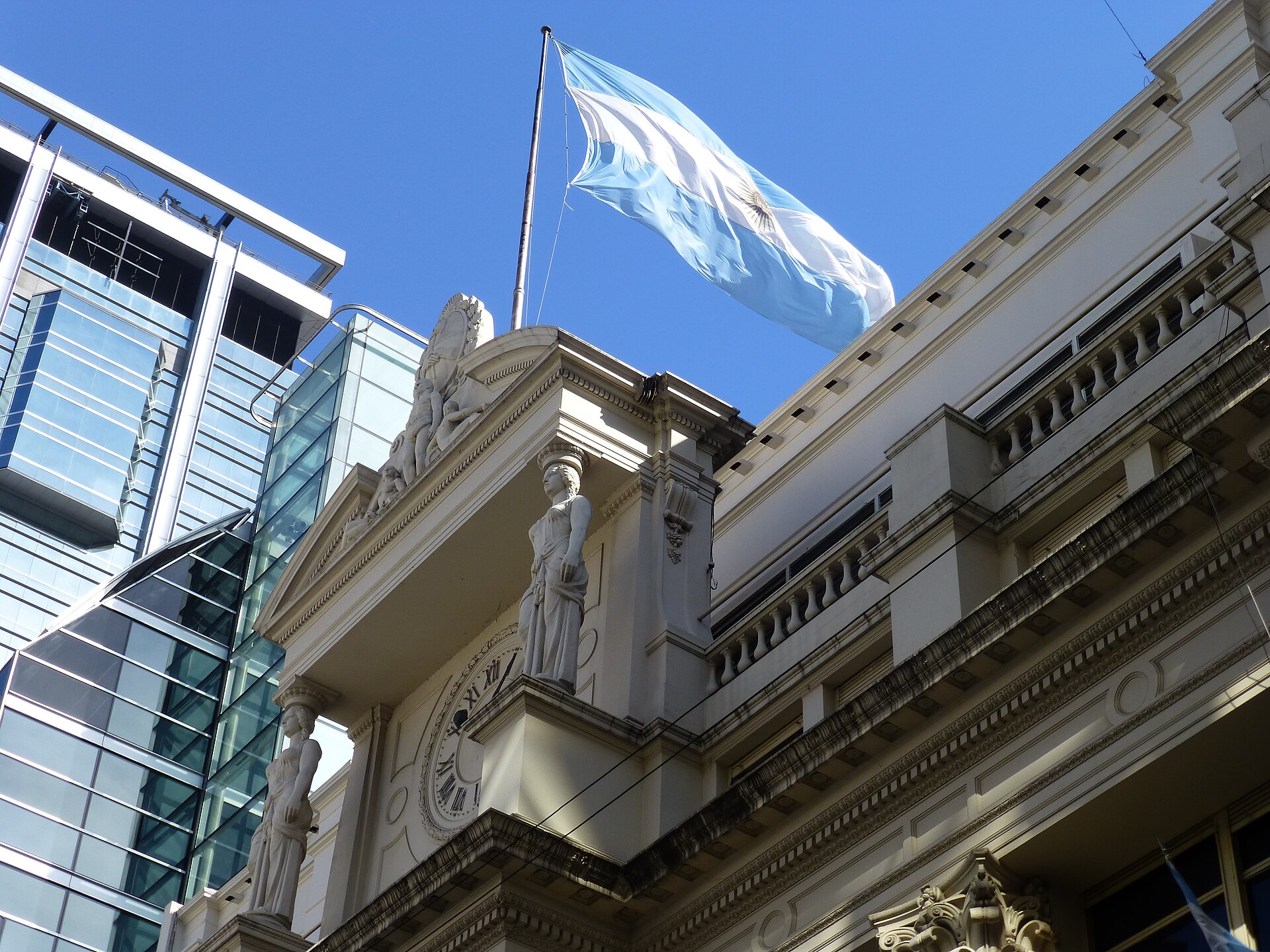
The audit disputes the central bank’s reading of its gold dealings. The bank says its 2025 gold position still produced a net gain of US$2,505 million, after hedging losses of US$1,023 million.
Central bank president Santiago Bausili told senators on 9 September that part of the gold sits at the BIS in Basel. The audit office has asked the bank for the contracts behind the transfer.
AGN president Juan Manuel Olmos wrote on X that accountability “is an obligation for public officials, not a discretionary favour”. He said the bank’s later explanations do not replace the contracts.
Peronist senator Juliana Di Tullio, from the main opposition movement, said the gold was swapped for “colourful bits of paper”. She wants a criminal complaint against President Javier Milei, Caputo and Bausili to move forward, filed in April with Martín Soria and María Florencia López and widened in September.
The bank also denied any 2024 movement in its overseas gold account, a statement the auditors say conflicts with its own records. It has not published the contracts it was asked for.
Frequently Asked Questions
Is Argentina’s gold missing?
The audit does not say it is missing; it says the central bank holds a claim on gold abroad instead of bars in its own vault. The bank says the metal is safe.
Why does it matter where the gold is?
Gold is a backstop for the country’s dollar obligations, so custody, insurance and any pledge as collateral affect how reliable that backstop is.
Sources
Banco Central de la República Argentina, statement on gold reserve administration, 2 September 2024
Connected Coverage
In depth
This article was produced by The Rio Times’ automated AI newsroom. Editorial responsibility: Matthias Camenzind, Publisher and Editor-in-Chief. The Rio Times also runs Ask Rio Times, which answers from 100,000+ of our own articles, the daily Latin America Power Map, and prediction-market odds on elections and markets.. How we use AI · Report an error