Somali Pirates Free the MV Sward After 138 Days
SOMALIA · PIRACY
Key Facts
- —The ship The MV Sward, a cargo vessel flagged in Saint Kitts and Nevis, carrying fertiliser to Mombasa.
- —What happened Pirates seized it off Garacad on 26 April and held it for 138 days.
- —The crew Seventeen men, fifteen Syrian and two Indian. All released.
- —How A ransom was paid. Reported figures range from US$1.7 million to US$2.7 million, and nobody has confirmed one.
- —What the ship was used for As a floating base. From its deck, pirates seized two Iranian fishing boats and another cargo ship.
- —Still held Four vessels: Honour 25, Eureka, Asana and Seamull.
Somali piracy did not come back gradually. Attacks went from five in 2025 to at least fifteen this year, and one hijacked ship was used to hijack three more.
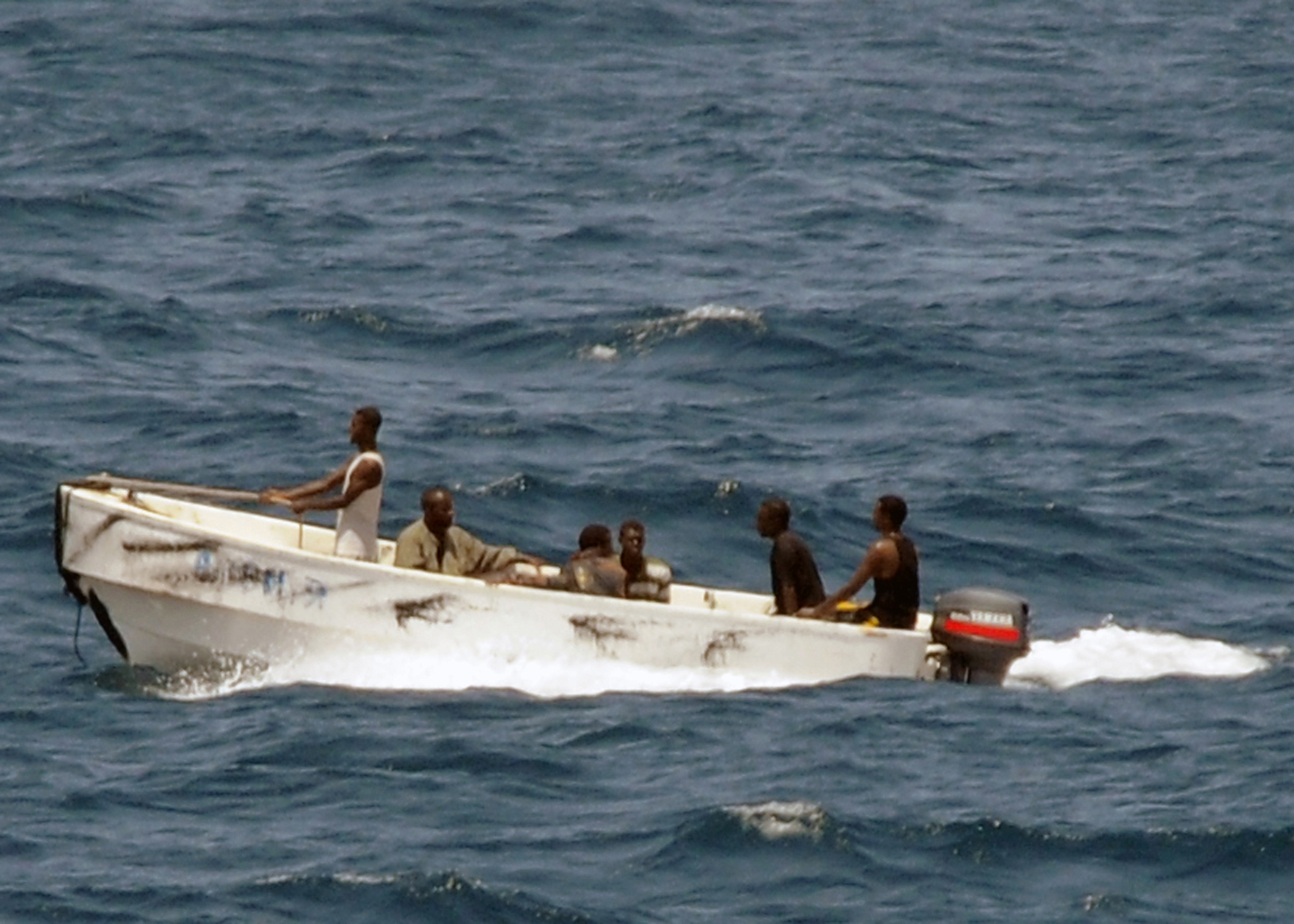
Seventeen sailors walked off the MV Sward last week, four and a half months after pirates boarded it. Four other ships and their crews are still being held.
The Seizure and the Release
Pirates took the Sward near Garacad, on Somalia’s eastern coast, on 26 April. It was carrying fertiliser to Mombasa under Turkish-linked management.
It was released on 11 September, 138 days later. Puntland security sources told AFP that money had changed hands.
They have released the Sward near Garacad, one source said. They received money to release the ship.
The figures reported for the ransom do not agree. A maritime intelligence firm puts it at US$1.7 million and Puntland sources at US$2.7 million.
A Hijacked Ship as a Weapon
What made the Sward unusual was not its capture but its use.
Pirates turned it into a mother ship, a vessel large enough to operate far offshore and to launch small boats from.
From it they seized at least two Iranian fishing vessels and the Cameroon-flagged MV Lutuf.
A hijacked cargo ship becomes a platform for the next hijacking, which is how a handful of attacks becomes a season.
The Numbers Behind the Revival
AFP analysed International Maritime Organization data in late August and counted at least fifteen attacks off Somalia in 2026.
The comparison is the point. There were five in 2025.
That makes this the worst year since 2013. At the peak of Somali piracy around 2011, there were roughly 200 attacks a year.
Eight of the fifteen happened in the Gulf of Aden between May and August. More than ninety seafarers were held at the same time at the height of it.
The Four Ships Still Out There
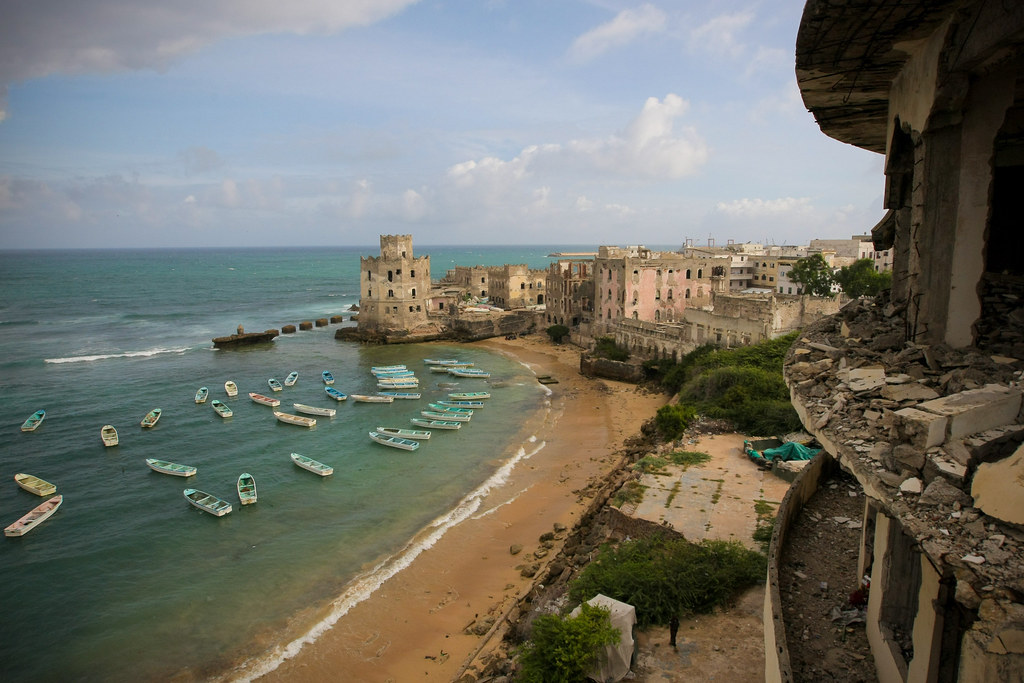
Honour 25, a 90-metre vessel with seventeen crew, was taken on 21 April north of Eyl. Five days before the Sward.
Eureka, Asana and Seamull are also still held. All four are described as tankers.
Seamull, also known as Sibu 1, carries a further complication. It is a US-sanctioned vessel linked to Iran’s shadow fleet.
European naval forces were tracking four of these ships by July. The others were taken later.
Ransom or Rescue
The release of the MV Lutuf has produced a public argument between Somalia’s federal government and the Puntland regional administration.
Mogadishu says the ship was freed by sustained military pressure from Turkish naval and Somali forces. It claims four pirate skiffs destroyed and fourteen pirates killed.
Puntland tells it differently. Federal officials, it says, telephoned the pirates and facilitated a ransom of US$2.5 million. A further US$40,000 went for the Iranian fishing boats.
The federal government in turn accuses the Puntland leadership of encouraging ransom demands.
On the Sward itself there is no such dispute. Puntland sources said a ransom was paid and Mogadishu has not contested it.
Why Piracy Came Back
Somali piracy collapsed after 2012 because navies patrolled, ships armed themselves and Somalia stabilised enough to raise the risk onshore.
Two of those three have weakened. Naval attention moved to the Red Sea after Houthi attacks began, and armed guards became less common on routine routes.
The economics have not changed. Weigh a ransom of US$2 million against a crew of seventeen and a cargo of fertiliser. For the people making that calculation, it works.
For shipping lines, insurers and East African importers, the practical consequence is higher premiums and longer routes. Fertiliser bound for Kenyan farms sat off Garacad for four and a half months.
More: Africa news and analysis, every day from The Rio Times.
Frequently Asked Questions
What is the MV Sward?
A Saint Kitts and Nevis-flagged cargo ship carrying fertiliser to Mombasa, hijacked off Somalia on 26 April 2026.
How long was it held?
138 days. It was released on 11 September 2026.
Was a ransom paid?
Puntland sources say yes. Reported figures range from US$1.7 million to US$2.7 million and none has been confirmed.
How many attacks have there been in 2026?
At least fifteen, on AFP’s analysis of IMO data in late August. There were five in 2025.
Which ships are still held?
Honour 25, Eureka, Asana and Seamull, all described as tankers.
Why has piracy returned?
Naval attention shifted to the Red Sea and armed guards became less common, while the economics never changed.
Sources: AFP, International Maritime Organization data, Garowe Online, Daily Nation, EUNAVFOR, Marine Insight.
This article was produced by The Rio Times’ automated newsroom system. How we use AI · Report an error
Read More from The Rio Times