Singapore Voters Choose Stability as PAP Secures Overwhelming Victory
Singapore’s People’s Action Party (PAP) captured 87 of 97 parliamentary seats in elections held on May 3, 2025. The ruling party secured 65.57% of the popular vote, improving significantly from its 61.2% showing in 2020. Prime Minister Lawrence Wong celebrated the results as “a clear signal of trust, stability and confidence” in his government.
The election marked Wong’s first electoral test since assuming leadership in May 2024 after Lee Hsien Loong stepped down. Wong now enjoys a strengthened position to navigate Singapore through complex geopolitical waters. The main opposition Workers’ Party maintained its 10 seats while smaller parties like the Progress Singapore Party saw their vote shares decline sharply.
Singapore voters prioritized stability amid growing economic uncertainties and global power rivalries. The city-state faces potential recession threats linked to international trade tensions, particularly following recent US tariff hikes. PAP campaigned on economic resilience and its ability to shield citizens from financial pressures through government assistance programs.
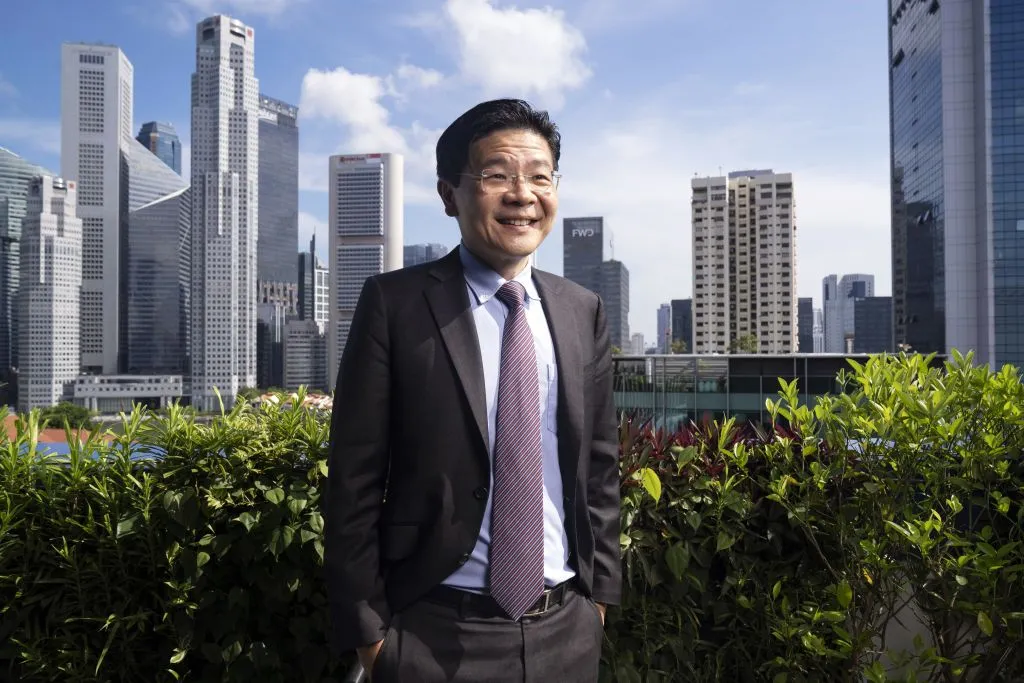
Wong’s government continues Singapore’s traditional balancing act between major powers. The Prime Minister met with Chinese President Xi Jinping in November 2024, affirming Singapore’s “One China” policy while strengthening economic ties. China remains Singapore’s largest trading partner, with bilateral trade exceeding $150 billion in 2024.
Simultaneously, Singapore maintains crucial relationships with the United States. Deputy Prime Minister Gan Kim Yong leads negotiations with America on tariffs and trade matters. Wong emphasized the importance of these diplomatic efforts during campaign rallies, stressing their economic significance for Singaporeans.
Singapore Voters Choose Stability as PAP Secures Overwhelming Victory
The election results strengthen Wong’s hand in pursuing Singapore’s strategic neutrality approach. The city-state avoids explicitly aligning with either the US or China, preferring instead to maintain productive relationships with both powers. This policy serves Singapore’s economic interests while preserving its sovereignty and regional influence.
Economic considerations heavily influenced voter decisions. PAP highlighted billion-dollar government investments aimed at alleviating cost-of-living pressures through direct cash assistance and food vouchers. These measures appealed to risk-averse voters concerned about economic stability.
Singapore’s political landscape shows minimal shifts despite demographic changes. Younger voters generally favor political diversity and Western democratic values but still prioritize economic stability. The PAP’s continued dominance suggests most Singaporeans trust the ruling party to navigate global uncertainties and maintain prosperity.
Wong now faces the challenge of fulfilling campaign promises while managing Singapore’s delicate position between competing superpowers. His government must address domestic concerns about living costs while securing advantageous international agreements for the trade-dependent city-state.
This article was produced by The Rio Times’ automated newsroom system. How we use AI · Report an error
Read More from The Rio Times