Shehbaz Sharif’s Return: Navigating Pakistan’s New Political Horizon
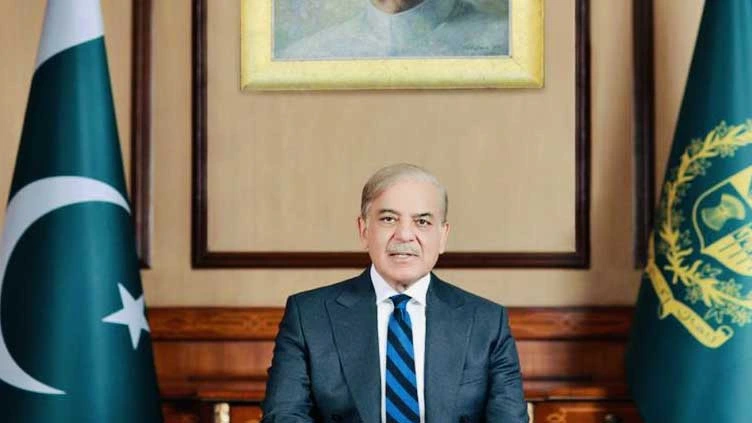
Pakistan’s political narrative is changing rapidly after a contentious election. Shehbaz Sharif is poised to become Prime Minister again, leading a new coalition.
This move comes after elections that left no party able to independently form a government, deepening the nation’s political stalemate.
Challenges from Imran Khan’s camp loom over this coalition, underscoring the complex political and economic hurdles Pakistan faces.
The coalition, backed by Sharif’s PML-N and the PPP, among others, represents a unified effort to ensure governance stability.
Controversy over the election results, with Khan’s PTI contesting the legitimacy of the outcomes and alleging electoral misconduct, adds to the political drama.
Despite hurdles, PTI independents won a notable number of seats, signaling Khan’s sustained support.
However, this political turmoil unfolds amid economic uncertainty, with Pakistan relying on international aid, including from the IMF.
The coalition’s formation marks a crucial step toward addressing these challenges, yet it navigates a path fraught with internal discord and power-sharing complexities.
In addition, the PPP’s conditional support for Sharif, excluding cabinet participation, highlights Pakistan’s complex coalition politics, where no Prime Minister finishes a full term.
The coalition’s efforts to stabilize Pakistan’s political landscape and enhance its international relations, especially with African countries, highlight a critical juncture.
This strategic pivot is essential for Pakistan’s diplomatic and economic future, offering a potential pathway to trade and cooperation expansion.
However, the coalition’s durability and efficacy remain to be seen amid Pakistan’s multifaceted challenges.
This article was produced by The Rio Times’ automated newsroom system. How we use AI · Report an error
Read More from The Rio Times