Senegal Presidency Spokesman on Article 52
Senegal's Constitution lets the president dissolve the National Assembly, but bars it early in a legislature and while emergency powers are in use.

Politics: Senegal
Me Abdoulaye Tine (“Me” is short for maître, the title of a Senegalese lawyer), the Presidency’s spokesman, said on Friday 20 November 2026 that President Bassirou Diomaye Faye has “other possibilities… notably Article 52”. He spoke on a Dakar radio morning show, the day after Faye put the revised budget into force by decree.
A report of the interview says Tine raised dissolving the National Assembly as an option, but his quoted sentence does not use the word. On our reading of the Constitution, Article 52 is an emergency clause that bars dissolution while it is in use, and the dissolution clause is Article 87.
Key Facts
- Who. Me Abdoulaye Tine, spokesman of Senegal’s Presidency, on President Bassirou Diomaye Faye’s budget decree.
- What. Article 87 governs dissolving the Assembly; Article 52, emergency powers, bars it while in use.
- When. Dissolution is barred until around 2 December 2026; we found no announcement of one.
- As of. Friday 20 November 2026, 19:00 GMT.
Senegal’s Constitution lets the president dissolve the National Assembly, but bars it early in a legislature and while emergency powers are in use.
The dispute began on Friday 22 May 2026, when Faye ended Ousmane Sonko’s term as prime minister. Sonko, who leads Pastef (African Patriots of Senegal for Work, Ethics and Fraternity), the party with the Assembly majority, then became president of the Assembly.
The Assembly rejected the revised 2026 budget, a mid-year correction known as the “loi de finances rectificative”, on Tuesday 3 November 2026. Faye answered on Thursday 19 November 2026 with a decree forcing the budget into force.
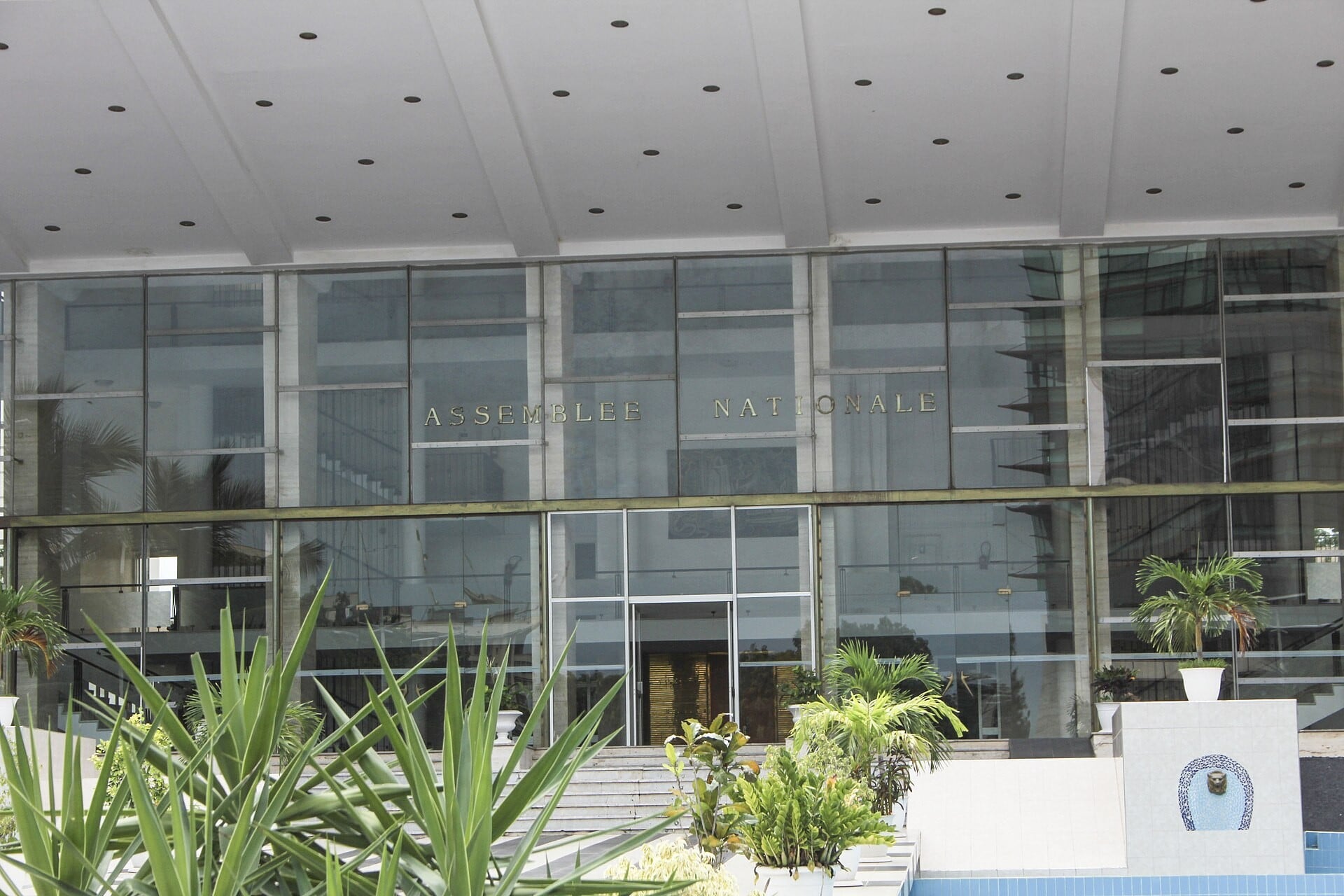
Article 68 of the Constitution gives the Assembly “soixante jours au plus”, sixty days at most, to vote finance bills. If a bill is not definitively voted in that time, it “est mis en vigueur par décret”, meaning it is put into force by decree.
Tine said on 20 November that Faye has more options than the decree route. His sentence did not say which of them he would choose.
Article 52 covers a “grave and immediate” threat to the state that interrupts the regular working of public powers. The president may then take any measure to restore it after addressing the Nation, but cannot revise the Constitution, and the Assembly “se réunit de plein droit”, meaning it meets by right.
Legislative measures taken under Article 52 must go to the Assembly for ratification or they lapse. The article also says the Assembly “ne peut être dissoute pendant l’exercice des pouvoirs exceptionnels”, meaning it cannot be dissolved while those powers are in use.
Article 87 is the dissolution clause: the president may dissolve the Assembly by decree after hearing the prime minister and the Assembly’s president. It adds that dissolution cannot happen during the first two years of a legislature.
The current legislature opened on Monday 2 December 2024, so that bar ends around 2 December 2026. A dissolution decree would then have to set the election between 60 and 90 days after its publication, and deputies keep their mandates until the new Assembly’s election is proclaimed.
The split with Faye’s former party is open: on Tuesday 17 November 2026 Pastef’s national council announced that Faye and 31 others had automatically lost party membership. Pastef won 130 of the 165 Assembly seats in the November 2024 election, and the Assembly refused the first part of the 2027 budget on 18 November.
The fight matters abroad because the International Monetary Fund (IMF) reached a staff-level agreement on 1 September 2026, a preliminary deal for a US$2.2 billion, 36-month programme that still needs approval from its Executive Board. IMF spokesperson Julie Kozack said on 12 November 2026 that a completed budget framework is one of three conditions, alongside corrective steps on misreported debt and financing assurances.
We found no announcement of a dissolution as of Friday 20 November 2026, and the Presidency has not announced one. The next dated marker is around 2 December 2026, when the two-year bar in Article 87 falls away.
Frequently Asked Questions
Can President Faye dissolve the National Assembly now?
Not on the text of Article 87, which bars dissolution during the first two years of a legislature. We found no announcement of one.
Does Article 52 allow dissolution?
No, its own text says the Assembly cannot be dissolved while exceptional powers are in use. On our reading it is a clause for grave threats to the state, not a route to early elections.
Why does the budget fight matter outside Senegal?
A completed budget framework is one of three conditions for the IMF board to approve the loan programme. The IMF has named no deadline.
Sources
Sources: Constitution of Senegal (2001, as amended), Articles 52, 68 and 87; Me Abdoulaye Tine, Presidency spokesman, radio interview of 20 November 2026; presidential decree of 19 November 2026; Pastef national council, announcement of 17 November 2026; International Monetary Fund, staff-level agreement of 1 September 2026 and spokesperson briefing of 12 November 2026.
This article was produced by The Rio Times’ automated AI newsroom. Editorial responsibility: Matthias Camenzind, Publisher and Editor-in-Chief. The Rio Times also runs Ask Rio Times, which answers from 100,000+ of our own articles, the daily Latin America Power Map, and prediction-market odds on elections and markets.. How we use AI · Report an error