IBOV 192,114.55 ▲ 2.63% IPSA 10,916.57 ▲ 0.08% IPC MEX 64,531.68 ▲ 1.10% MERVAL 2,767,663 ▲ 0.32% COLCAP 2,515.02 ▼ 0.59% BVL PERÚ 59,751.67 ▲ 0.18% USD/BRL5.22▲ 0.17% USD/MXN18.16▼ 0.02% USD/CLP989.60— 0.00% USD/COP3,254▼ 0.27% USD/PEN3.46▲ 0.57% USD/ARS1,524▼ 0.04% USD/UYU40.46▲ 3.63% USD/PYG5,821▲ 3.10% USD/BOB11.93▲ 1.99% USD/DOP59.90▲ 0.84% USD/CRC456.38▲ 2.99% USD/GTQ7.64▲ 3.13% USD/HNL26.86▲ 3.18% USD/NIO36.62— 0.00% USD/VES869.19▼ 0.13% USD/PAB1.00— 0.00% USD/BZD2.00— 0.00% USD/JMD 157.28 — 0.00% USD/TTD6.69▲ 1.65% EUR/BRL5.86▼ 0.19% BRENT 88.88 ▼ 0.03% WTI 83.11 ▼ 0.11% IRON ORE 161.91 — — COPPER 6.61 ▲ 0.03% GOLD 4,461 ▲ 1.78% SILVER 65.59 ▲ 1.26% SOY 1,184 ▲ 3.20% CORN 480.50 ▲ 10.02% WHEAT 655.00 ▲ 3.93% COFFEE 317.25 ▼ 5.51% SUGAR 16.43 ▼ 1.79% ORANGE JUICE 138.55 ▼ 0.47% COTTON 85.03 ▲ 2.33% COCOA 5,719 ▲ 3.18% BEEF 223.60 ▼ 3.93% CATTLE 339.10 ▼ 3.16% LITHIUM 75.20 ▲ 1.47% PETR4 41.64 ▼ 0.05% VALE3 72.97 ▲ 0.83% ITUB4 38.60 ▼ 1.03% BBDC4 16.85 ▲ 0.36% ABEV3 14.89 ▼ 0.80% BBAS3 19.37 ▲ 0.47% B3SA3 14.26 ▼ 0.21% WEGE3 47.59 ▲ 0.49% PRIO3 59.14 ▼ 0.19% SUZB3 41.33 ▲ 2.35% RENT3 34.68 ▼ 0.09% AZZA3 15.89 ▼ 2.63% CSAN3 3.22 ▼ 1.83% RAIZ4 0.25 — 0.00% PCAR3 2.75 ▼ 0.36% GMAT3 3.65 ▼ 1.08% PSSA3 48.13 ▼ 0.54% CVCB3 1.33 ▼ 2.92% POSI3 3.36 ▲ 2.44% SLCE3 13.34 ▲ 0.30% NATU3 8.14 ▼ 0.73% IBOV 192,114.55 ▲ 2.63% IPSA 10,916.57 ▲ 0.08% IPC MEX 64,531.68 ▲ 1.10% MERVAL 2,767,663 ▲ 0.32% COLCAP 2,515.02 ▼ 0.59% BVL PERÚ 59,751.67 ▲ 0.18% USD/BRL 5.16 ▲ 0.01% USD/MXN 17.06 ▼ 0.24% USD/CLP 913.98 ▲ 0.04% USD/COP 3,140 ▲ 0.03% USD/PEN 3.36 ▼ 0.66% USD/ARS 1,493 ▲ 0.10% USD/UYU 40.27 ▲ 1.24% USD/PYG 5,939 ▲ 1.68% USD/BOB 11.64 ▼ 0.76% USD/DOP 58.34 ▲ 1.25% USD/CRC 445.92 ▲ 0.89% USD/GTQ 7.62 ▲ 2.21% USD/HNL 26.79 ▲ 1.57% USD/NIO 36.62 ▲ 0.69% USD/VES 762.44 ▼ 0.13% USD/PAB 1.00 — 0.00% USD/BZD 2.00 — 0.00% USD/JMD 157.28 — 0.00% USD/TTD 6.70 ▲ 0.61% EUR/BRL 5.95 ▲ 1.01% BRENT 88.88 ▼ 0.03% WTI 83.11 ▼ 0.11% IRON ORE 161.91 — — COPPER 6.61 ▲ 0.03% GOLD 4,461 ▲ 1.78% SILVER 65.59 ▲ 1.26% SOY 1,184 ▲ 3.20% CORN 480.50 ▲ 10.02% WHEAT 655.00 ▲ 3.93% COFFEE 317.25 ▼ 5.51% SUGAR 16.43 ▼ 1.79% ORANGE JUICE 138.55 ▼ 0.47% COTTON 85.03 ▲ 2.33% COCOA 5,719 ▲ 3.18% BEEF 223.60 ▼ 3.93% CATTLE 339.10 ▼ 3.16% LITHIUM 75.20 ▲ 1.47% PETR4 41.64 ▼ 0.05% VALE3 72.97 ▲ 0.83% ITUB4 38.60 ▼ 1.03% BBDC4 16.85 ▲ 0.36% ABEV3 14.89 ▼ 0.80% BBAS3 19.37 ▲ 0.47% B3SA3 14.26 ▼ 0.21% WEGE3 47.59 ▲ 0.49% PRIO3 59.14 ▼ 0.19% SUZB3 41.33 ▲ 2.35% RENT3 34.68 ▼ 0.09% AZZA3 15.89 ▼ 2.63% CSAN3 3.22 ▼ 1.83% RAIZ4 0.25 — 0.00% PCAR3 2.75 ▼ 0.36% GMAT3 3.65 ▼ 1.08% PSSA3 48.13 ▼ 0.54% CVCB3 1.33 ▼ 2.92% POSI3 3.36 ▲ 2.44% SLCE3 13.34 ▲ 0.30% NATU3 8.14 ▼ 0.73%
since 2009
Monday, October 5, 2026

Brazil Politics - Brazil

São Paulo’s Mayoral Election: Intense Contest Amid Rising Violence

By · October 4, 2024 · 3 min read

The mayoral election in São Paulo is shaping up to be one of the most heated in recent memory. According to a recent Datafolha survey, the competition among the top contenders is closely matched.

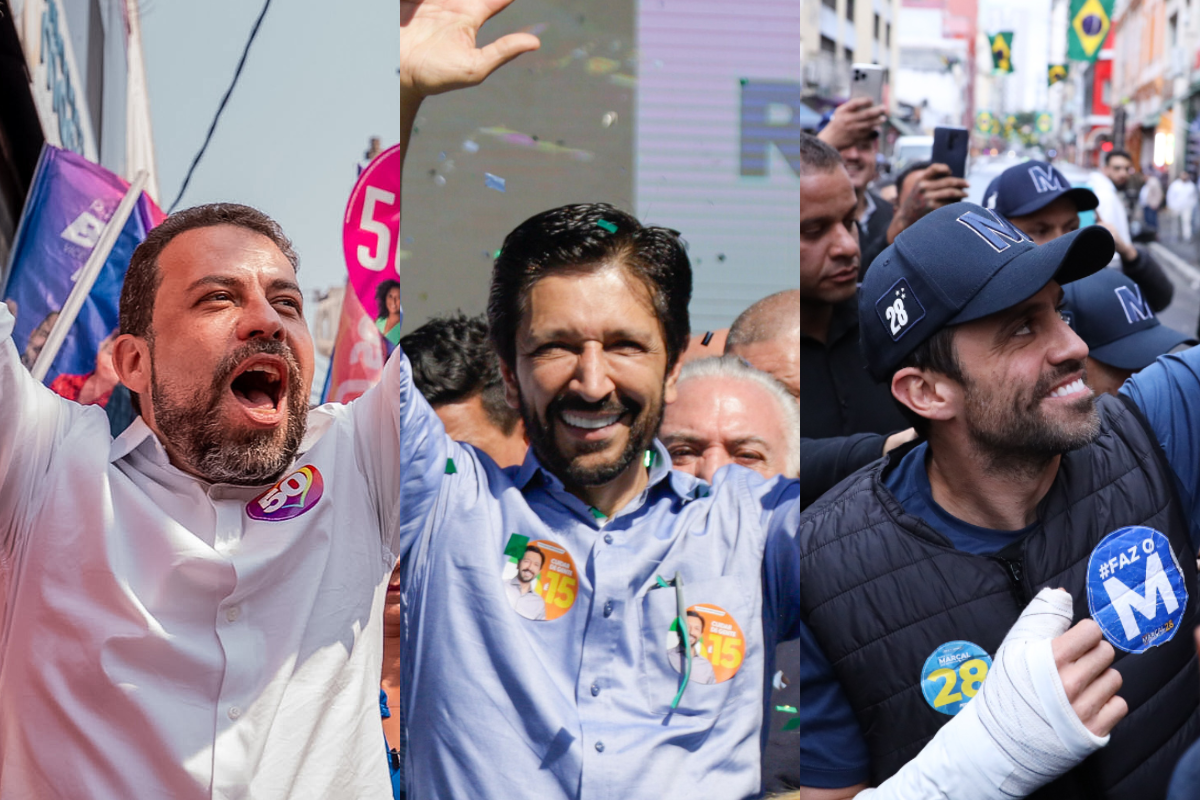
Guilherme Boulos on the left holds 26% of voter support while right-leaning candidates Ricardo Nunes and Pablo Marçal are each polling at 24%.

This election cycle represents a pivotal change in São Paulo‘s political scene, potentially ending the centrist PSDB party’s long-standing dominance after seven consecutive gubernatorial terms.

As polarization deepens, the campaign mirrors the broader national split between supporters of current President Lula and former President Bolsonaro.

The electoral battle has been tainted by unprecedented levels of hostility and controversy. Notably, candidate Pablo Marçal has embraced a combative campaign style, launching personal attacks on his rivals.
São Paulo's Mayoral Election: Intense Contest Amid Rising Violence
São Paulo’s Mayoral Election: Intense Contest Amid Rising Violence.
RT
Ask Rio Times
This story and the bigger picture.
Open the full Ask Rio Times →

His confrontational approach has escalated to physical clashes during debates and spurred numerous legal disputes.

The LatAm Brief

One email, every weekday morning. What moved in Latin American markets, politics and expat life.

Yesterday’s subject line: “Brazil votes Sunday. A runoff follows if no one tops 50%”

Free. We send a confirmation link first — nothing arrives until you click it. Unsubscribe with one click in any edition. If you stop opening us for 30 days we stop sending by ourselves, as we assume the interest is no longer there. See our privacy policy. We never share your email.

Marçal’s tactics have resonated with conservative voters, especially those who share Bolsonaro’s views, complicating Ricardo Nunes’ efforts to unify right-wing support.

Nunes has been trying to balance his ties with Governor Tarcísio de Freitas while appealing to Bolsonaro’s followers. On the progressive front, Guilherme Boulos struggles to rally support, despite the endorsement of the Workers’ Party (PT).

Political Dynamics and the Shifting Landscape

The limited involvement of President Lula in the campaign casts doubts on the robustness of this alliance. Boulos is now concentrating on winning over voters from other left-leaning contenders to secure a position in the runoff election.

The participation of key national figures has introduced more complexity to the campaign, with both Lula and Bolsonaro taking a cautious approach to direct endorsements, leaving local politicians to maneuver the intricate political terrain independently.

Campaign financing is also shaping the election dynamics. Boulos leads in funding, with significant donations flowing from both his party, PSOL, and PT, enabling extensive campaign outreach and advertising.

Additionally, social media has emerged as a vital arena for campaigning. Candidates are leveraging digital platforms to disseminate their messages and, occasionally, to attack their opponents.

This shift towards digital campaigning sometimes overshadows traditional methods. As the first round of voting draws near, the election outcome remains unpredictable, heightening the atmosphere of tension and expectancy.

Campaign teams are ramping up their activities in the final stretch, both on the ground and online. Many view this election as a precursor to the 2026 presidential race.

The outcomes are likely to affect national political strategies and alliances in the future. The victor will not only govern Brazil’s largest city but also significantly influence the nation’s political landscape.

This article was produced by The Rio Times’ automated newsroom system. How we use AI · Report an error · Editorial responsibility: Matthias Camenzind, Editor-in-Chief

The Rio Times · Power Map
See who really holds power in Latin America
Click to open the Power Map →

Rotate for Best Experience

This report is optimized for landscape viewing. Rotate your phone for the full experience.