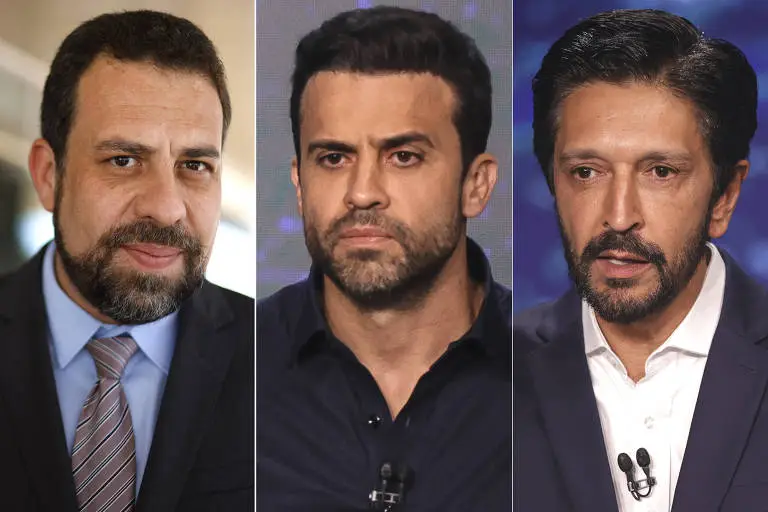
In São Paulo, the race for mayor is tightly contested. Guilherme Boulos, Pablo Marçal, and Ricardo Nunes are neck and neck as the election approaches.
Datafolha’s latest survey, involving 1,204 participants, shows Boulos slightly ahead with 23% support, while Marçal and Nunes are at 22%. Tabata Amaral and José Luiz Datena trail with 9% and 7%, respectively.
This race is critical as it highlights the fragmented voter base in Brazil‘s largest city, with no clear front-runner emerging just one month before the election.
The data suggests a volatile electorate, where a small shift in voter sentiment can change the outcome.
Currently, 59% of voters feel certain about their choice, but a significant 41% remain open to changing their minds, indicating that the race could still see dramatic shifts.
These figures not only reflect the candidates’ current standings but also the broader political implications for São Paulo.
The tight contest highlights a divided political landscape. The upcoming mayoral term could feature narrow margins and coalition politics.
This election is pivotal for setting the administrative tone and priorities for managing one of the world’s most populous cities, with outcomes that could resonate beyond local issues to national politics in Brazil.
More: Brazil news in English, every day from The Rio Times.
In depth
This article was produced by The Rio Times’ automated AI newsroom. Editorial responsibility: Matthias Camenzind, Publisher and Editor-in-Chief. The Rio Times also runs Ask Rio Times, which answers from 100,000+ of our own articles, the daily Latin America Power Map, and prediction-market odds on elections and markets.. How we use AI · Report an error
Living in or visiting São Paulo? See this month's events and our São Paulo city guide with rents, safety and upcoming concerts.
Brazil runoff, Sunday, October 25: Brazil runoff start time and results schedule. Latest: Brazil runoff polls, Flávio 51%, Lula 49%.