São Paulo Stock Exchange Reaches Highest Level Since 2021
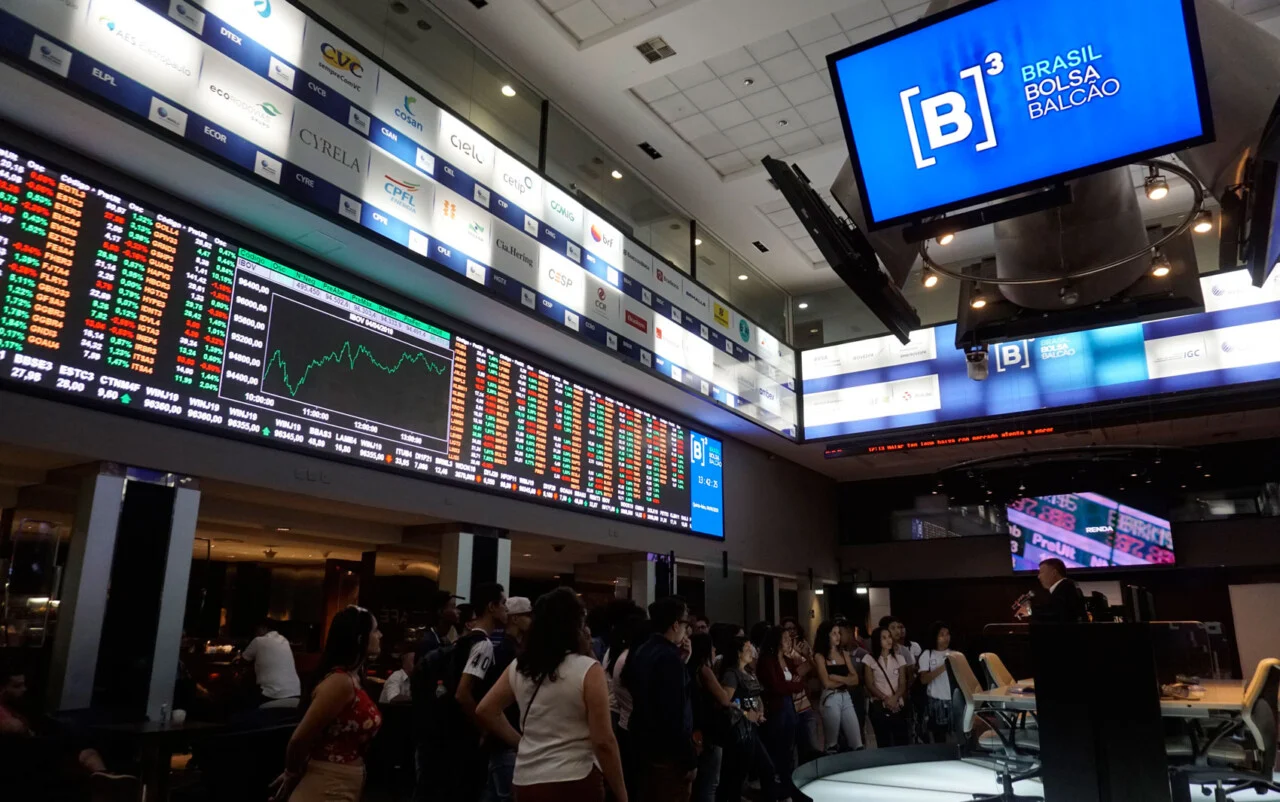
On December 1, the São Paulo Stock Exchange, known as B3, achieved a remarkable milestone. It closed at an impressive 128,184 points, the highest since July 14, 2021.
This significant achievement, marked by a 0.67% increase on the day and a 2.13% rise over the week, signals a strong rebound and growing investor confidence in the market.
The surge in B3’s performance is primarily driven by robust foreign investment.
In November, foreign investors infused R$ 18.1 billion (approximately $3.71 billion at a 4.88 exchange rate) into the market.
This inflow has significantly contributed to a positive yearly balance, reaching R$ 24.5 billion (approximately $5.02 billion).
Additionally, when accounting for IPOs and secondary market offerings, the total investment inflow swells to R$ 35.4 billion (approximately $7.25 billion).
Another key indicator of market confidence is the Credit Default Swap (CDS), which measures the country’s risk.
The CDS index fell to 142 points on December 1, its lowest level since December 2020.
This nearly four-year low in the CDS score reflects an increasingly positive perception of Brazil’s economic stability among global investors.
Enhanced Brazilian economic reputation
Parallel to these developments, the commercial dollar exhibited a decline, closing at R$ 4.88.
This 0.35% decrease over the week further underscores the strengthening economic outlook.
The CDS, acting as insurance for credit operations, is a crucial barometer for gauging the confidence of foreign economic agents in Brazil.
At the beginning of Luiz Inácio Lula da Silva’s government, the CDS score was 250 points.
The approval of the fiscal framework and commitment to eliminating Brazil’s deficit by 2024, along with reductions in interest rates and inflation, have collectively enhanced Brazil’s economic reputation.
These measures have significantly contributed to creating a more favorable climate for investment in the country.
Falling interest rates and inflation have all contributed to this positive change.
More: Brazil news in English, every day from The Rio Times.
This article was produced by The Rio Times’ automated newsroom system. How we use AI · Report an error
Read More from The Rio Times