Right-Wing Parties Dominate Second-Round Mayoral Races in São Paulo
The 2024 municipal elections in São Paulo have set the stage for an intriguing political landscape. Eighteen cities will hold second-round votes on October 27 to determine their next mayors.
Most of these contests pit right-wing candidates against each other. This trend reflects the growing influence of conservative parties in Brazil’s most populous state. Thirteen of the eighteen runoffs feature only right-wing and center-right candidates.
The remaining five races see center-right contenders facing off against left-wing opponents. This political makeup shows a clear shift towards conservative governance in São Paulo’s local politics.
Out of 645 municipalities in São Paulo, only 30 could potentially have a second round. This year’s number of runoffs has increased from 16 in 2020 to 18 in 2024. The rise suggests a more competitive political environment in the state.
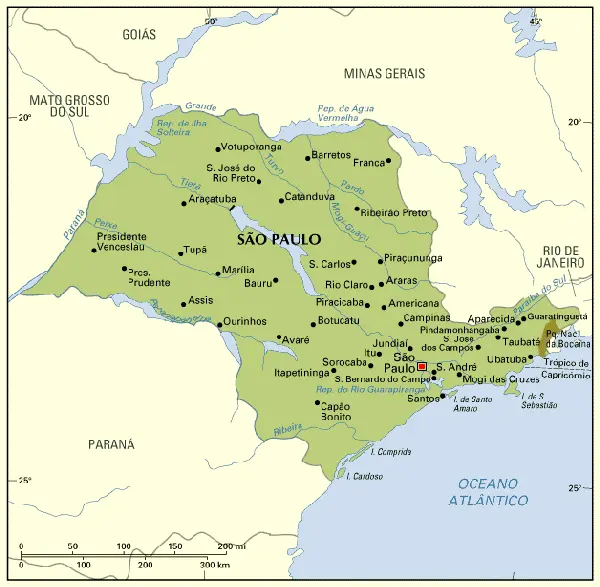
Ten out of thirteen parties in the second round are center-right or right-wing. The Liberal Party (PL) of former President Jair Bolsonaro is competing in six races.
The Brazilian Democratic Movement (MDB) is present in five contests. Both União Brasil and Republicans are vying in four runoffs each.
Santos offers an interesting case study. The runoff there features Rogério Santos of the Republicans against Rosana Valle of the PL.
This race highlights the internal competition within the right-wing bloc. Bolsonaro has endorsed Valle, while Governor Tarcísio de Freitas has remained neutral.
Right-Wing Parties Dominate Second-Round Mayoral Races in São Paulo
The left-wing presence in the runoffs is limited but notable. The Workers’ Party (PT) and the Socialism and Liberty Party (PSOL) are competing in four races combined. PSOL’s Guilherme Boulos is running for mayor of São Paulo city, the state’s crown jewel.
In Guarulhos, former PT member Elói Pietá is running under the Solidarity party banner. Pietá’s candidacy shows the fluid nature of political affiliations in Brazilian politics. His previous tenure as mayor adds an extra layer of intrigue to the race.
The Brazilian Social Democracy Party (PSDB) has seen a significant decline in influence. In 2020, they won 180 mayoral seats.
This year, they secured only 21 and are competing in just one runoff. This drop marks a major shift in São Paulo’s political landscape.
The Social Democratic Party (PSD) has emerged as the dominant force in São Paulo’s local politics. They won 203 mayoral seats in the first round.
The PL and Republicans followed with 102 and 80 victories respectively. These results indicate a clear rightward shift in voter preferences.
The Workers’ Party (PT) made modest gains, winning three mayoral races. This is just one more than their 2020 performance.
While they have opportunities in the runoffs, they’ve also suffered setbacks. In Araraquara, a PT stronghold, the party lost its grip on the mayor’s office.
These election results paint a picture of changing political dynamics in São Paulo. Right-wing parties have gained significant ground, while traditional powerhouses like the PSDB have faltered. The upcoming runoffs will further shape the state’s political future.
More: Brazil news in English, every day from The Rio Times.
This article was produced by The Rio Times’ automated newsroom system. How we use AI · Report an error
Read More from The Rio Times