Colombia Oil Giant Ecopetrol CEO Exits Amid Graft Probe
Colombia · Business
Key Facts
—Departure date Ricardo Roa left Ecopetrol’s presidency on July 30, 2026, after returning from leave on July 27.
—Acting president Juan Carlos Hurtado Parra, the first alternate, became acting president of Ecopetrol on July 31.
—Board chair Luis Felipe Henao Cardona was named the new chair of the board, replacing Angela Maria Robledo.
—Legal charge On March 11, 2026, the Attorney General’s Office charged Roa with influence-peddling by a public servant.
—Other departures Vice-presidents Bayron Triana and Victoria Sepulveda, plus board members Robledo and Tatiana Roa, also left.
Ricardo Roa Ecopetrol ended his tenure as president of Colombia’s state-controlled oil giant on July 30, 2026, a swift exit that followed a brief return from a leave of absence. The departure is part of a sweeping board and management overhaul at the country’s largest company.
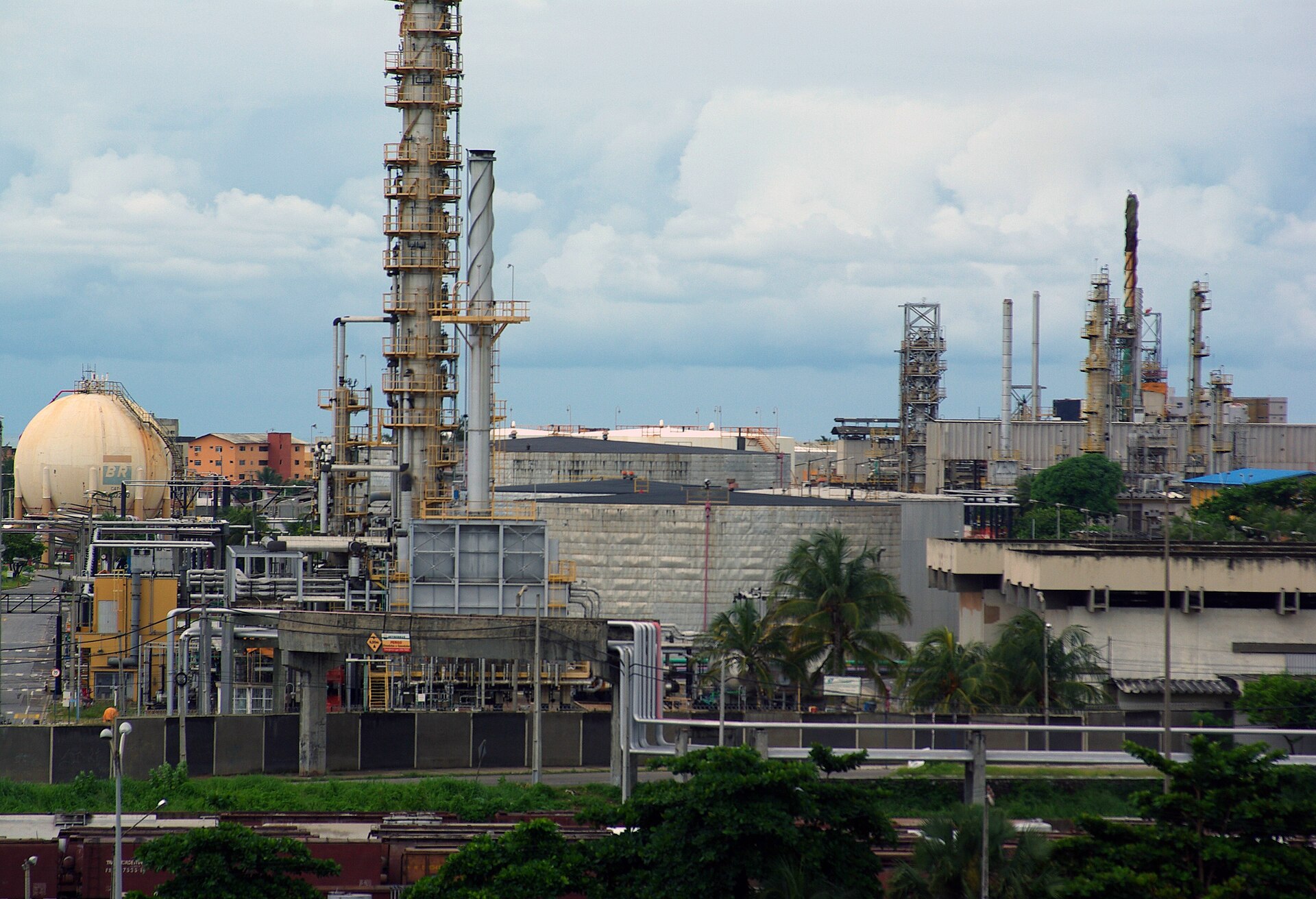
A Short-Lived Return to the Presidency
Ricardo Roa formally left the presidency of Ecopetrol on July 30. He had only resumed his duties three days earlier, on July 27, after a period of leave.
His departure was not an isolated event. It formed part of a significant reshuffle affecting both the board of directors and senior management.
Juan Carlos Hurtado Parra, who served as the president’s first alternate, assumed the role of acting president on July 31. The company has not yet named a permanent successor.
For foreign investors, Ecopetrol is Colombia’s most important enterprise. It is majority-owned by the state but trades on the New York Stock Exchange, making leadership stability a key market concern.
Wider Board and Management Overhaul
The reshuffle reached the top of the board. Angela Maria Robledo resigned as chair of the board of directors.
Luis Felipe Henao Cardona was appointed as the new board chair. The change signals a shift in governance at the highest level.
Two other board members also departed alongside Robledo. One was Tatiana Roa, whose exit further altered the board’s composition.
The management shake-up extended to key vice-presidential roles. Bayron Triana, the vice-president for Energy Transition, left his position.
Victoria Sepulveda, the vice-president for Corporate Talent, also departed. These exits suggest a broad reorganisation of the executive team.
Live Company IntelligenceEcopetrol SA ADR — the full investor dossier
Wall Street view
Valuation & profitability
Price & risk
$8.1652-wk high
$18.38
Revenue trend · 6y
Ownership
Dividend
The Influence-Peddling Charge Explained
Separate from the corporate reshuffle, Ricardo Roa faces a legal challenge. On March 11, 2026, Colombia’s Attorney General’s Office (Fiscalía) charged him with a crime.
The charge is “tráfico de influencias de servidor público,” which translates to influence-peddling by a public servant. All charges are allegations, and Roa is presumed innocent.
Authorities are investigating the purchase of an apartment in Bogotá. The probe is examining a possible connection between the property and Ecopetrol contracts.
Roa has publicly stated he will face the justice system. He also pledged not to leave the country while the legal process unfolds.
The Attorney General’s Office has not released further details on the specific contracts under review. The investigation remains ongoing.
Political Context for International Investors
Ricardo Roa was not a traditional oil executive. He managed Gustavo Petro’s successful 2022 presidential campaign before his appointment to Ecopetrol.
President Petro appointed Roa to lead the state-controlled company as part of his agenda to transform Colombia’s energy policy. The leadership change is closely watched by markets.
Ecopetrol accounts for a large share of Colombia’s exports and government revenue. Its ADRs are widely held by international funds tracking emerging markets.
The board and management changes create a new landscape for the company’s strategy. Investors will look for signals on exploration, production, and the energy transition.
The acting president, Juan Carlos Hurtado Parra, now leads the company during this transition. The appointment of a permanent president will be a critical next step.
What Comes Next for Ecopetrol
The company must now stabilise its leadership team. The departure of the energy transition vice-president adds a layer of strategic uncertainty.
Ecopetrol’s traditional oil and gas business remains its core revenue driver. International crude prices and operational efficiency will heavily influence near-term results.
The legal case against Roa will proceed independently in Colombia’s courts. The company itself has not been charged with any wrongdoing in this matter.
For the investment community, governance standards and legal transparency are paramount. The dual events of the reshuffle and the criminal charge will require careful monitoring.
Ecopetrol’s next earnings report and investor calls will likely provide the first official clues about the board’s new strategic direction under Henao Cardona’s chairmanship.
More: Colombia news in English, every day from The Rio Times.
Frequently Asked Questions
Why did Ricardo Roa leave Ecopetrol?
Ricardo Roa left the presidency of Ecopetrol on July 30, 2026, as part of a wider board and management reshuffle. The company also saw the departure of its board chair and two vice-presidents.
What is the legal charge against Ricardo Roa?
On March 11, 2026, Colombia’s Attorney General’s Office charged Roa with influence-peddling by a public servant. The charge is an allegation linked to a Bogotá apartment purchase and possible Ecopetrol contracts. Roa is presumed innocent.
Who is leading Ecopetrol now?
Juan Carlos Hurtado Parra, the president’s first alternate, became acting president on July 31, 2026. Luis Felipe Henao Cardona is the new chair of the board of directors.
Connected Coverage
Botero Dove of Peace Removed from Colombia’s Presidential Palace
Sources: Attorney General's Office.
This article was produced by The Rio Times’ automated newsroom system. How we use AI · Report an error
Read More from The Rio Times