Portuguese Elections: Center-Right Leads as Political Instability Persists
Portugal concludes its electoral campaign for legislative elections this Friday, May 16, 2025, with outgoing Prime Minister Luís Montenegro’s center-right Democratic Alliance (AD) holding a significant lead.
According to the Catholic University of Portugal’s latest poll, the AD commands 34% of voting intentions compared to the Socialist Party’s 26%, while populist nationalist Chega stands at 19%.
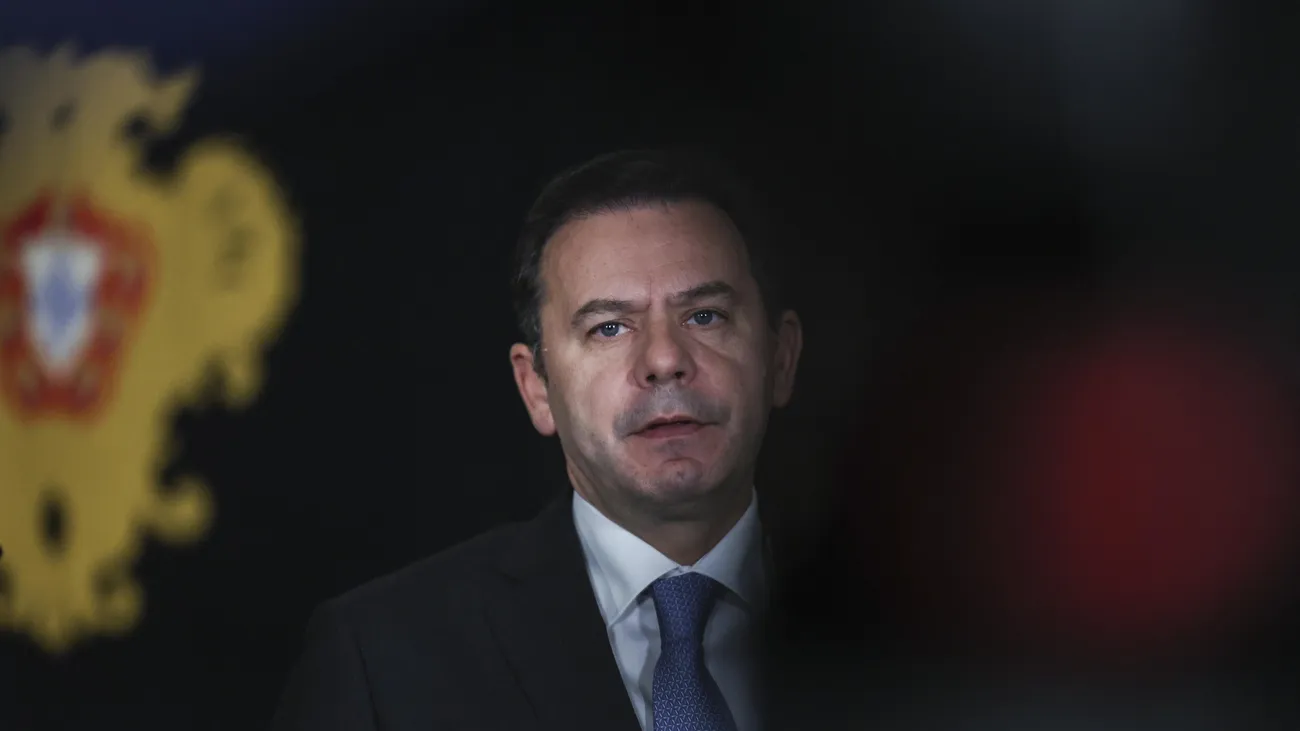
Montenegro, a 52-year-old lawyer, faces the challenge of forming a stable government after Sunday’s vote.
His coalition is projected to win up to 95 seats in the 230-seat parliament, well short of the 116 needed for an absolute majority. This shortfall could force him into another precarious minority government position.
“People are tired of elections and want stability,” Montenegro told supporters at his final rally in Lisbon. The crowd celebrated with white and orange AD flags as the Prime Minister made victory signs.
Portuguese Elections: Center-Right Leads as Political Instability Persists
These snap elections mark Portugal’s third legislative vote in just over three years. The current political crisis erupted when Montenegro lost a confidence vote in March following conflict of interest allegations related to his consultancy business.
Political scientist Paula Espírito Santo from the University of Lisbon suggests that merely “staying in power would be a good result” for Montenegro.
He took a “calculated risk” by triggering new elections to strengthen his parliamentary position.
Chega Leader’s Health Scare Shakes Portugal’s Election Campaign
The Liberal Initiative party, polling at 7% with a potential 13 seats, might offer Montenegro crucial support. During his brief tenure, he implemented pension adjustments and public sector salary increases to bolster his popularity.
Socialist candidate Pedro Nuno Santos, 48, claims Montenegro called elections to avoid explaining his business dealings to a parliamentary inquiry. Santos positions his party as offering “safe change” for Portugal.
Immigration has emerged as a contentious campaign issue. Between 2017 and 2024, foreign residents in Portugal quadrupled to 15% of the population.
Montenegro’s government has toughened immigration policies and announced plans to expel 18,000 irregular immigrants, drawing criticism from the left.
Voter fatigue appears widespread. “I’m really tired of all these political games,” says Maria Pereira, a 53-year-old Lisbon vendor who plans to abstain.
Meanwhile, Pedro Paulos, a 43-year-old driver, indicates he’s switching from AD to Chega, seeking “real change” and stricter immigration controls.
Chega’s campaign suffered a setback when its leader André Ventura, 42, fainted twice on camera this week, forcing him to withdraw from final campaign events.
Over 10.8 million registered voters will decide Portugal’s political direction on Sunday, with analysts expecting higher abstention rates than in previous elections due to growing public frustration with repeated votes and political instability.
This article was produced by The Rio Times’ automated newsroom system. How we use AI · Report an error
Read More from The Rio Times