Peru · Economy
Key Facts
- Legal challenge Finance Minister Elmer Cuba and the MEF will file constitutional challenges against four spending laws passed by the previous Congress.
- Which laws They cover teacher pensions, military and police pensions, CAS worker bonuses, and a CAFAE incentive homologation.
- Teacher cost The teacher-pension law carries a reported cost of about S/8 billion a year (about US$2.4 billion) for more than 160,000 retired educators.
- Security cost The military and police pension law is put at around S/46 billion in present value (about US$13.6 billion) by the Fiscal Council and the MEF.
- Fiscal rule The MEF argues the laws threaten Peru’s fiscal rule and the government’s control of public spending.
- No ruling yet No case number or filing date has been reported; this is an announced challenge, not a court decision.
Peru’s new government is moving to strike down pension and spending laws it says blow a hole in the budget, setting up a fight with Congress.
If you track Latin American markets, the fight over Peru pension laws is worth watching. It has become the first big clash between President Keiko Fujimori’s new economic team and the previous Congress — and the outcome could shape how investors read the country’s famous fiscal discipline.
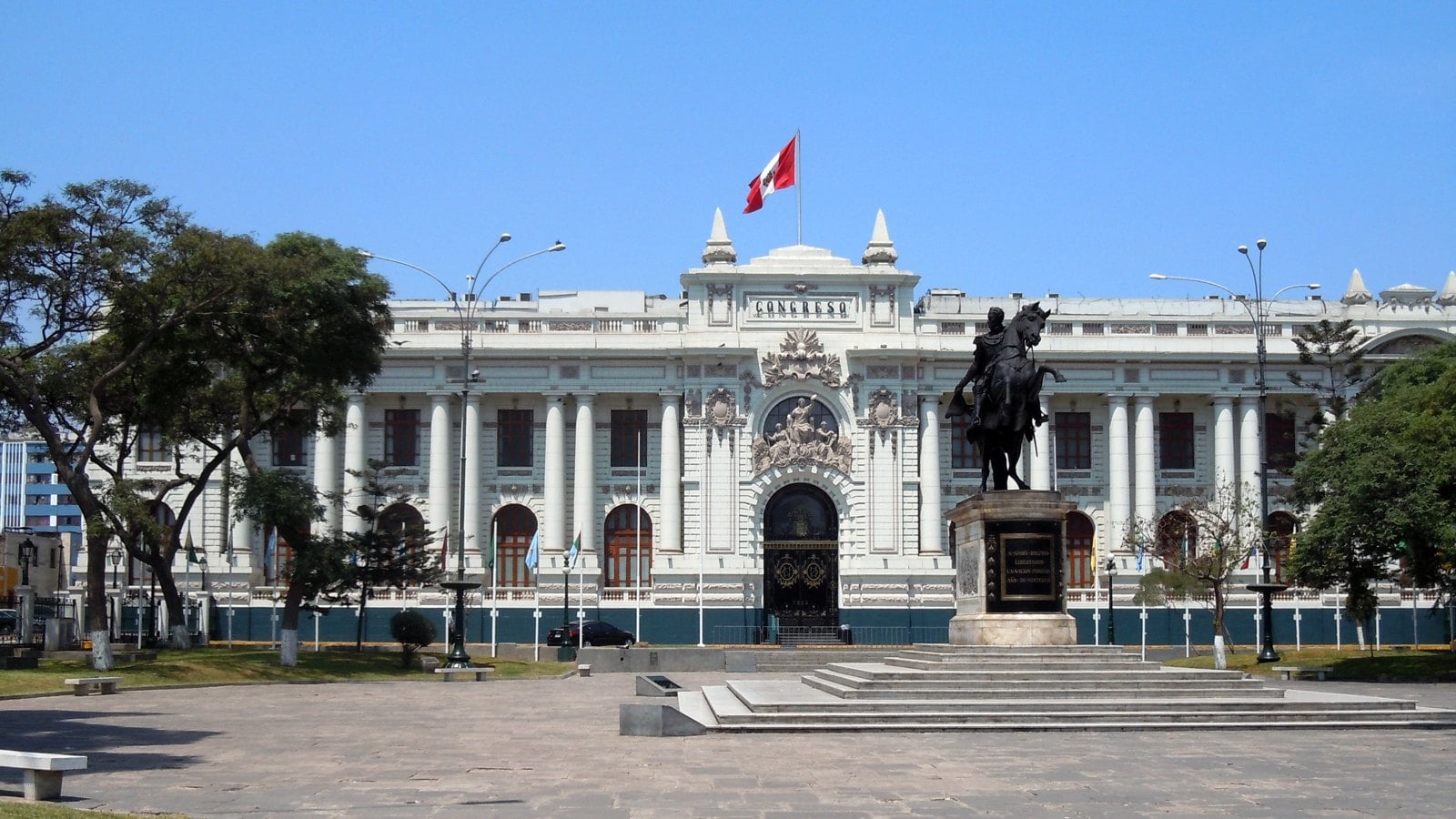
What the fight over Peru pension laws is about
Under President Keiko Fujimori’s new government, Finance Minister Elmer Cuba is preparing formal constitutional challenges — demandas de inconstitucionalidad — at Peru’s Constitutional Court. The targets are four spending laws approved by the previous Congress. These are not technical tweaks; they are major, recurring commitments the new economic team says were enacted without funding.
The four laws are Ley 32581 (teacher pensions), Ley 32561 (military and police pensions), Ley 32563 (bonus and CTS payments for CAS contract workers), and Ley 32424 (a CAFAE incentive for DL 276 regime workers). The two pension laws carry the biggest price tags. The MEF puts the teacher-pension law at roughly S/8 billion a year — about US$2.4 billion — for more than 160,000 retired and former teachers. The military and police pension law is far larger over time: the Fiscal Council and the MEF estimate its cost at around S/46 billion in present value, or about US$13.6 billion — the full future liability, not a single year’s bill.
The government’s argument
Minister Cuba has been blunt. In his own words: “El Congreso no tiene en ninguna parte del mundo desarrollado la iniciativa de gasto. El gasto lo maneja el Ejecutivo.” That translates as: Congress has no spending initiative anywhere in the developed world; the Executive manages spending. It is a direct challenge to the legislature’s role in setting fiscal policy. Cuba has said the government picked the four laws that “pueden mover la aguja” — that can move the needle — on the public accounts.
The MEF’s position is that these laws undermine the fiscal rule Peru has used for years to keep its finances credible. The new Fujimori government leans toward fiscal discipline and has staffed the economic team with pro-market figures. It views the laws as unfunded mandates that would eventually force tax hikes, more debt, or cuts elsewhere.
Why this matters for investors and the region
Peru has long been a poster child for fiscal discipline in Latin America — low debt, a strong central bank, and steady investment. That reputation is now being tested, and the test is structural: who really decides how public money is spent, the Executive or Congress? If the government’s challenges succeed, it reinforces the idea that Peru’s fiscal anchors hold. If they fail, it sets a precedent where the legislature can pass expensive laws without the government’s sign-off — the kind of thing that pressures a country’s credit rating.
Peru still runs one of the lowest public-debt ratios in Latin America — a big reason it holds an investment-grade credit rating that keeps its borrowing costs down. That standing is the asset the MEF says it is defending. A steady run of costly, unfunded laws is exactly the kind of drift that erodes it over time, and rating agencies watch these fights closely.
If you hold Peruvian assets, or regional funds that include them, that is the signal to watch. It also shows how the Fujimori government will handle an opposition-leaning Congress that still holds real institutional power — and whether Lima’s reputation for keeping spending in check survives its first real test of the new term.
What happens next
The Constitutional Court will first decide whether to admit the challenges, then rule on the merits — a process that can take months. No case number or filing date has been reported yet. In the meantime, the politics are heating up: teachers’ unions are already defending Ley 32581 as the correction of a historical injustice and a path to dignified pensions after decades of service. That is a powerful counter-narrative, and it will not be easy for the government to face down.
More: Peru news in English, every day from The Rio Times.
Frequently Asked Questions
Which four laws is Peru’s MEF challenging?
The four laws are Ley 32581 on teacher pensions, Ley 32561 on military and police pensions, Ley 32563 on bonuses and CTS for CAS contract workers, and Ley 32424 on a CAFAE incentive homologation. All were passed by the previous Congress and now face constitutional challenges.
How much do the pension laws cost?
The MEF puts the teacher-pension law at about S/8 billion a year, roughly US$2.4 billion, for more than 160,000 retired teachers. The military and police pension law is estimated at around S/46 billion in present value, about US$13.6 billion, by the Fiscal Council and the MEF. These figures come from the government and its fiscal watchdog.
What does the government want the court to do?
The government wants the Constitutional Court to declare the laws unconstitutional, arguing that Congress cannot create spending obligations on its own. The MEF says the laws threaten the fiscal rule and could strain public accounts.
Connected Coverage
Sources: El Popular; Gestión; La República; Infobae Perú; Peru’s Consejo Fiscal and Ministry of Economy and Finance (MEF).
This article was produced by The Rio Times’ automated newsroom system. How we use AI · Report an error
Read More from The Rio Times