Peru’s Congress Votes on a Record ‘Supplementary Credit’ Budget Top-Up
Politics
Key Facts
—The vote. Peru’s Congress returns to a final debate on a 9.6 billion sol ($2.5bn) Peru supplementary credit.
—The size. It would be the largest such budget expansion in five years.
—The warning. The independent Fiscal Council says the accounts should not be read complacently.
—The clock. The standing committee holding the vote can legislate only until July 15.
—The inheritance. Whatever passes lands on Keiko Fujimori’s incoming government, which takes office July 28.
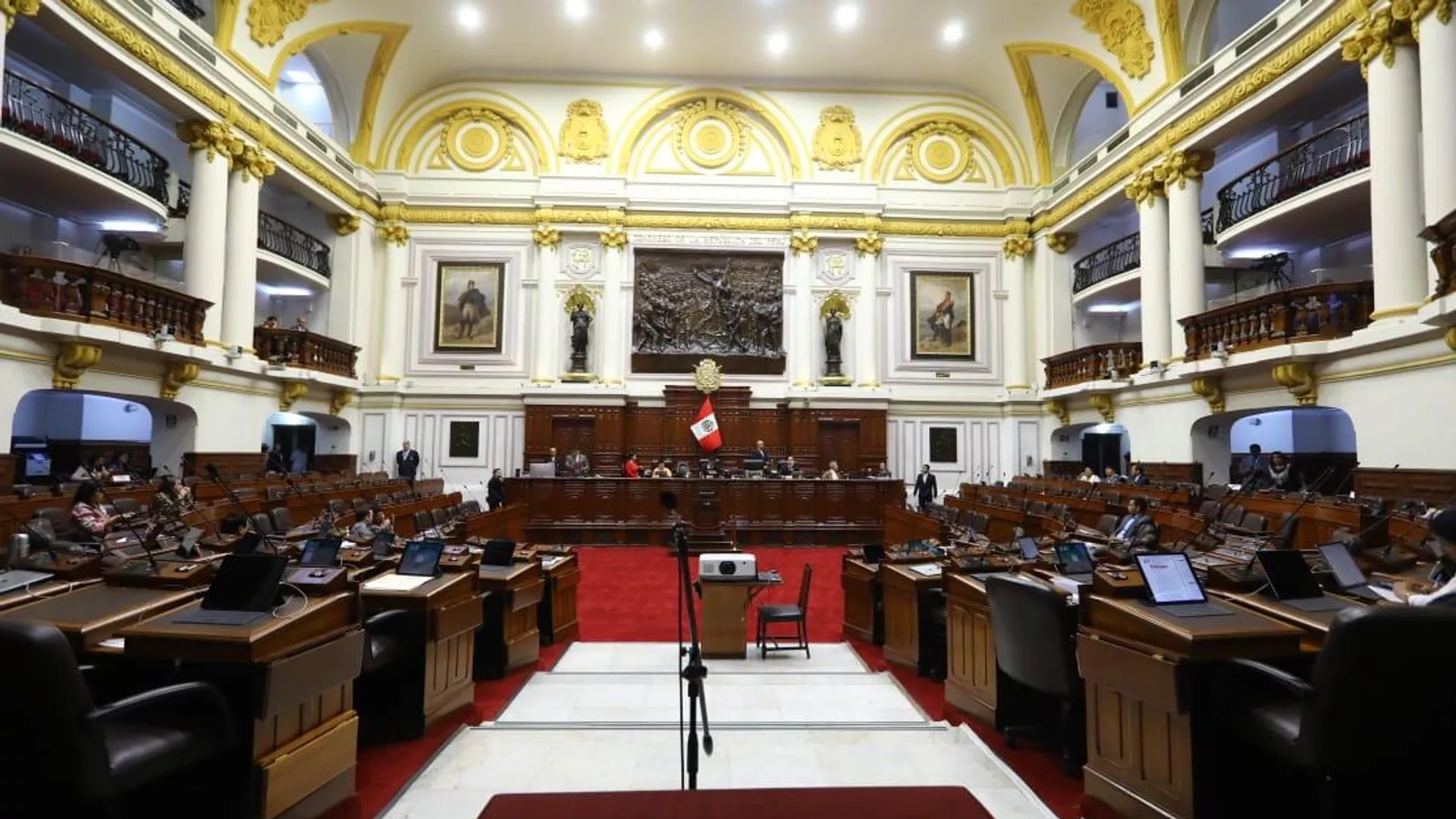
Peru’s Congress is moving to a final vote on the biggest budget top-up in five years, pushing the Peru supplementary credit toward approval despite blunt warnings from the country’s own fiscal watchdog.
The standing committee resumed its debate this week after pausing to weigh a flood of spending requests from lawmakers. A vote is expected within days.
Our reporting has shown that this pattern—Congress pushing through large supplementary credits over executive objections—has intensified since 2020, when lawmakers first began using budget top-ups and pension-fund withdrawals to bypass fiscal safeguards. The current 9.6 billion sol package extends that trajectory, and critics say it risks normalizing a legislative spending power that Peru’s institutional guardrails were not designed to absorb.
For a foreign reader, the tension is clear. Peru’s reputation with investors rests on fiscal discipline, and this vote tests whether that discipline still holds.
What the Peru supplementary credit would fund
The package is large. It adds roughly nine point six billion soles, near two and a half billion dollars, to this year’s budget.
The stated aims are practical. The money would keep public works moving, fund October’s regional and municipal elections, and pay benefits to state contract workers.
The financing is split. Part comes from ordinary treasury resources, with a further one point two six billion soles raised through the issue of sovereign bonds.
A large slice is decentralised. Regional and local governments would be allowed to add several billion soles drawn from higher mining royalties to their own budgets.

Why the Peru supplementary credit worries the watchdog
The Fiscal Council’s objection is about method. It warns against a complacent reading of the accounts, saying projections do not fully capture the cost of recent spending laws.
Its core worry is durability. The state is using temporary revenue, boosted by high copper and gold prices, to fund what may become permanent spending.
The finance ministry pushes back. It says the top-up has sound technical backing and keeps the deficit at one point seven five percent of output, inside the one point eight percent limit.
The minister goes further. He argues the real damage comes from Congress’s own power to spend, and hopes the Constitutional Court will rein it in.
For an outside reader, that is the deeper story. The fight is less about one top-up than about who controls the purse as a new government prepares to take over.
The numbers behind the worry are stark. Non-financial spending grew almost five percent in real terms in the first half, against a fiscal rule that allows well under two percent for the year.
The pile-up is structural. By the council’s count, laws passed in 2026 add permanent costs of 11.4 billion soles a year, close to one percent of the economy.
There is a weather risk on top. Forecasters expect a strong El Niño around the turn of the year, and the council says the budget sets aside no clear cushion for it.
The central bank shares the unease. Its long-serving governor has said the country is starting on the wrong foot, warning that repeated spending waves weaken Peru’s hard-won stability.
The stakes are real for investors. Peru has long carried some of the lowest public debt in the region, a cushion that underpins its credit rating and its appeal as a stable bet.
The timing sharpens everything. A vote just before a change of government hands the incoming team both the money and the constraints, with little say in how either was set.
What is the Peru supplementary credit?
It is a proposed addition of about nine point six billion soles, near two and a half billion dollars, to Peru’s 2026 budget, the largest such expansion in five years. It would fund public investment, October’s regional elections and benefits for state contract workers.
Why does the Fiscal Council oppose it?
The council warns against a complacent reading of the public accounts, arguing that Peru is using temporary, commodity-driven revenue to fund permanent spending. It says fiscal projections do not fully capture the cost of recent spending laws.
Why does the Peru supplementary credit matter now?
The standing committee handling it can legislate only until July 15, and whatever passes will land on Keiko Fujimori‘s incoming government, which takes office July 28. It is an early test of whether Peru’s prized fiscal discipline survives the transition.
More: Latin America news in English, every day from The Rio Times.
Frequently Asked Questions
How large is Peru's proposed supplementary credit and what would it fund?
The supplementary credit would add roughly 9.6 billion soles (approximately $2.5 billion) to Peru's current year budget, making it the largest such budget expansion in five years. The money is intended to keep public works moving, fund October's regional and municipal elections, and pay benefits to state contract workers.
What warning has Peru's Fiscal Council issued about the supplementary credit?
The independent Fiscal Council has warned that the budget accounts should not be read complacently, raising concerns despite the package moving toward approval. This is significant because Peru's reputation with investors rests on fiscal discipline, and the vote is seen as a test of whether that discipline still holds.
What is the deadline for the vote and who will inherit the budget decision?
The standing committee holding the vote can only legislate until July 15, meaning a decision is expected within days. Whatever budget package passes will land on Keiko Fujimori's incoming government, which takes office on July 28.
Connected Coverage
Peru Fiscal Council Warns on 2026 Budget Sustainability
Peru Chooses a Leaner State as Neighbors Open the Spending Taps
This article was produced by The Rio Times’ automated newsroom system. How we use AI · Report an error · Editorial responsibility: Matthias Camenzind, Editor-in-Chief