Peru Is Rewriting Its Migration Policy: What Could Change for Nomads
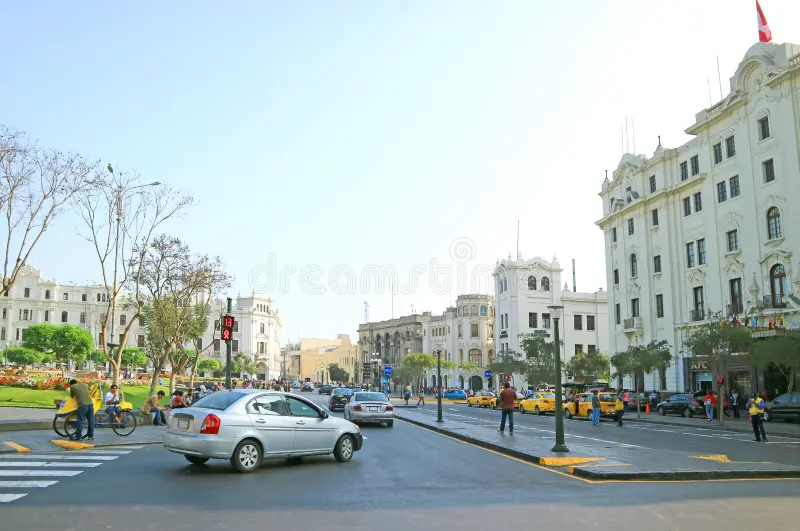
*Peru's foreign ministry has created a multisectoral working group, chaired alongside interior, labour, health, education, tax and civil-registry bodies, to rewrite the national migration policy framework that contains the still-unfiled digital-nomad residence permit.*
Peru is preparing to redraw the rules that decide who can live and work there. Its foreign ministry has set up a multisectoral group to update the national migration policy.
That framework holds the digital-nomad permit that still cannot be filed. So this is the review remote workers will want to follow closely.
Key Facts
- The move. Peru’s foreign ministry created a multisectoral working group to update the national migration policy.
- The instrument. It was set up by a ministerial resolution published in the official gazette in June.
- Who is on it. The foreign ministry chairs it, alongside interior, labour, health, education, tax and civil-registry bodies.
- What it touches. The digital-nomad residence permit sits inside the framework under review.
- Nothing changes today. Tourists, residents and pipeline applications continue under existing rules.
What has been set up
A ministerial resolution in June created a temporary multisectoral working group. Its job is to draft an update of the national migration policy, and the foreign ministry chairs it.
The resolution appeared in the official gazette, Peru’s record for new legal acts. That publication is what gave the group its formal start.
The group brings together the interior, labour, health and education ministries. It also includes the tax authority, the civil registry and the statistics institute.
Each body touches a different part of migration, from work permits to identity records and data. Reports put the group’s mandate at around two years.
Why it matters for nomads
The national migration policy is the umbrella that sits above Peru’s visa categories. It sets the shape of each permit and the documents applicants must show.
That umbrella covers the digital-nomad residence permit. The permit was created in law, yet it has never been opened for anyone to apply.
A rewrite is the most likely path to changing that. Through it, the permit could be switched on, redefined or quietly dropped.
The same review could also touch how long visitors may stay. It is the moment when tourist-stay limits and residency paperwork could be revisited.
What does not change today
Nothing shifts at the border simply because a working group now exists. The rules people meet on arrival stay the same for now.
Tourists still receive stays of up to 183 days a year. Residents and applicants already in the pipeline continue under existing rules.
The digital-nomad permit remains unavailable. Remote workers still rely on tourist entries or the independent-worker route to stay in Peru.
None of that shifts on its own. A new policy would first need to be drafted, consulted and adopted.
What to watch
The clearest signals are the draft text and any public consultation window. Both would normally come from the foreign ministry or the migration authority.
Those are the moments to read the fine print. They show what the group actually wants to change, rather than what people assume.
Look first at whether the nomad category gets a real procedure to apply. Then check whether tourist-stay limits move at all.
Also watch whether residency paperwork is made simpler. Until any of that lands, plan around today’s rules rather than tomorrow’s.
More: Latin America news in English, every day from The Rio Times.
Frequently Asked Questions
What has Peru actually done?
Its foreign ministry created a multisectoral working group to update the national migration policy. This came through a ministerial resolution published in June, so it is a policy review, not a rule change.
Does anything change at the border now?
No. Tourists still get stays of up to 183 days a year, and residents and pending applications continue under existing rules.
Will the digital-nomad visa finally work?
It might. The permit sits inside the framework under review, so a rewrite is the most likely route to it being switched on or redefined.
How long will this take?
Reports put the group’s mandate at around two years. Any new policy would then still need drafting, consultation and adoption, so do not plan around it.
What should I watch for?
Watch for the draft text and any public consultation window, published by the foreign ministry or the migration authority. Those will show whether visa categories change.
This article was produced by The Rio Times’ automated newsroom system. How we use AI · Report an error · Editorial responsibility: Matthias Camenzind, Editor-in-Chief