Peru Will Hold Irregular Migrants in Disused Military Facilities, Government Confirms
PERU · MIGRATION
Key Facts
- —What happened Peru’s government confirmed it will detain irregular migrants in disused military facilities.
- —Who reported it Two independent outlets, NODAL and teleSUR, carried the confirmation separately.
- —What irregular means A migrant without a valid visa or residence permit, whatever their reason for being in the country.
- —What is not stated No facility has been named, and no capacity figure has been published.
- —The legal question The government has not set out the statute under which people would be held.
- —The regional context Several South American governments have tightened migration rules over the past two years.
Confirmed by the government, reported by two outlets, and short on almost every detail that would matter to the people affected.
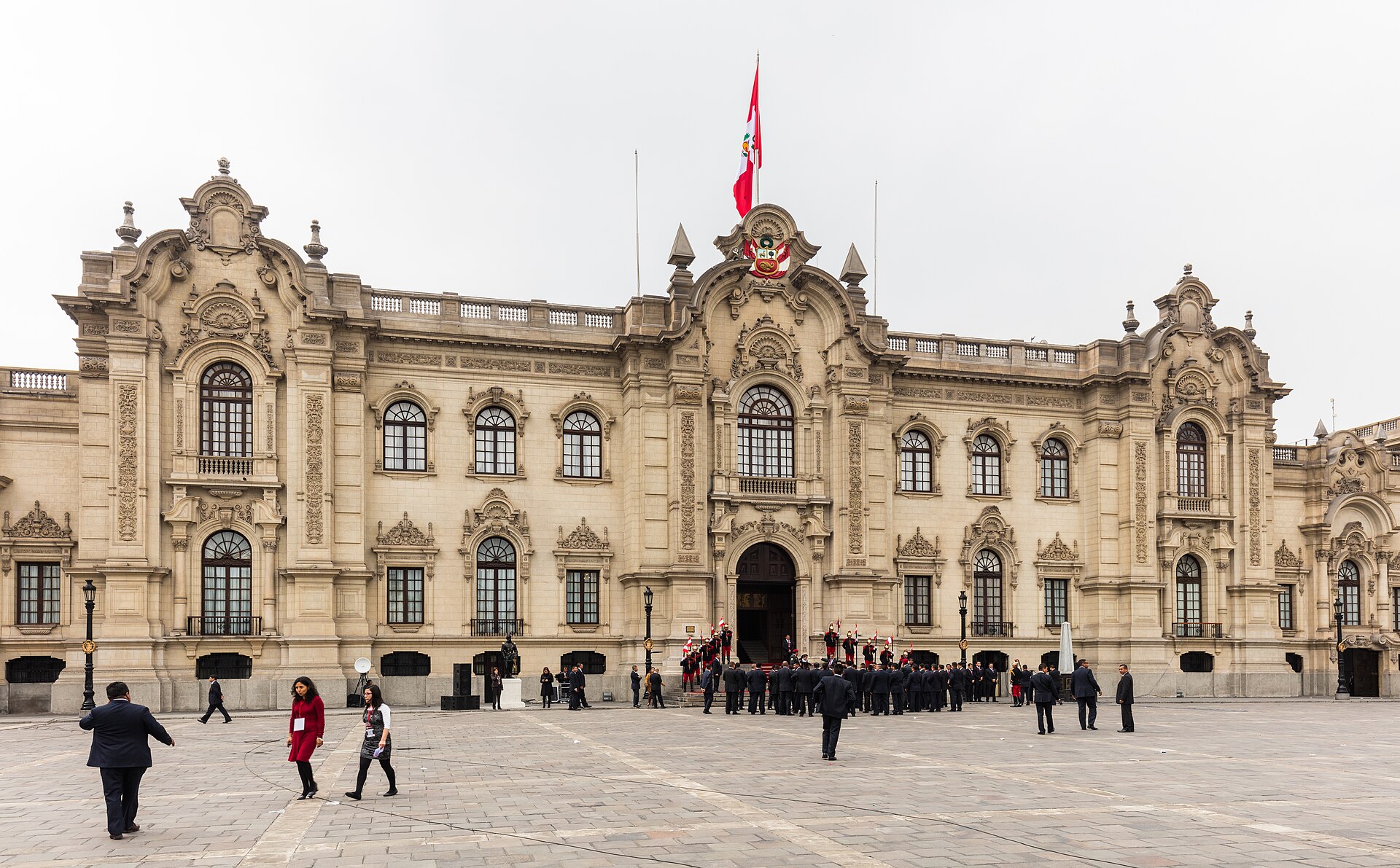
Peru’s government has confirmed that it will detain irregular migrants in disused military facilities. Two independent outlets, NODAL and teleSUR, reported the confirmation on 17 September 2026.
What Was Confirmed
Peru’s government said it will use disused military facilities to hold migrants who are in the country without valid status. The confirmation was reported by NODAL and by teleSUR on 17 September 2026.
Both outlets describe the same decision. We have not seen a published decree or ministerial resolution setting it out.
What the Word Irregular Covers
An irregular migrant is someone without a valid visa or residence permit. That includes people who entered without authorisation and people whose permission has expired.
The category is broad, and it includes long-settled residents as well as recent arrivals. How Peru intends to apply it has not been explained.
The Detail That Is Missing
No facility has been named and no capacity figure has been given. Neither has the government said how long a person could be held.
It has also not published the legal basis for detention. In most South American systems, administrative detention of migrants requires a specific statutory footing.
Why Military Sites
Disused military facilities are already state-owned, fenced and served by roads. That makes them fast to bring into use compared with building new sites.
The same features make them poorly suited to holding families or people with medical needs. No government statement has addressed that question.
The Regional Picture
Several South American governments have tightened migration rules over the past two years. The region absorbed large movements of people in the preceding decade.
Policies have moved from regularisation toward enforcement across more than one country. Peru’s decision fits that direction rather than standing outside it.
What It Means for Foreign Residents
For residents with valid visas or carnés, nothing announced changes their status. The measure concerns people without valid permission to be in the country.
The practical advice is unchanged and simple. Keep immigration paperwork current and carry proof of status when travelling internally.
What Is Not Yet Known
The government has not published a decree, a start date, or a list of sites. It has not said which agency would run the facilities.
Nor has it explained what oversight or legal review a detained person would have. Those gaps are the substance of the story rather than a footnote to it.
Why the Legal Basis Matters So Much Here
Detention without a clear statutory footing is the point at which migration policy usually meets the courts. That has been the pattern across the region and beyond it.
A published decree sets limits as well as powers, including maximum periods and review rights. Its absence leaves both the authorities and the people affected without a defined boundary.
This is why we are reporting the gap rather than the intention. The intention is confirmed, and almost everything that governs how it works is not.
What to Watch
Whether a formal decree or ministerial resolution is published. That document would supply the legal basis and the limits.
Watch also for a response from Peru’s ombudsman office, which reviews detention conditions. Its position would be the first independent assessment.
More: Latin America news and analysis, every day from The Rio Times.
Frequently Asked Questions
What did Peru confirm?
That it will detain irregular migrants in disused military facilities.
Who reported it?
Two independent outlets, NODAL and teleSUR, on 17 September 2026.
Which facilities will be used?
None have been named. No site list or capacity figure has been published.
Does this affect residents with valid visas?
No. The measure concerns people without valid permission to be in the country.
What is the legal basis?
The government has not published a decree or set out the statute it would rely on.
How long could someone be held?
No maximum period has been stated.
Sources: Reporting by NODAL and teleSUR on the Peruvian government’s confirmation, 17 September 2026.
This article was produced by The Rio Times’ automated newsroom system. How we use AI · Report an error
Read More from The Rio Times