Peru’s 2027 Budget Favors Megaprojects Over Flood Defense
PERU · ECONOMY
Key Facts
- —What happened: Peru’s government sent Congress a 2027 budget bill that funds five megaprojects far more than new flood defenses.
- —How big: The plan sets total spending at S/266.5 billion (about US$79.6 billion), a 3.5% rise from 2026.
- —What it means: Five flagship projects would get S/3.8 billion (about US$1.1 billion), roughly double new flood-control funding.
- —The catch: Only 19% of Peru’s flood relief money, not the whole budget, would reach regional governments.
- —What’s next: Regional governors warn the cuts could stall projects before Congress votes on the budget by November 30.
Peru’s proposed 2027 budget pours far more money into five flagship projects than into flood protection, regional leaders say.
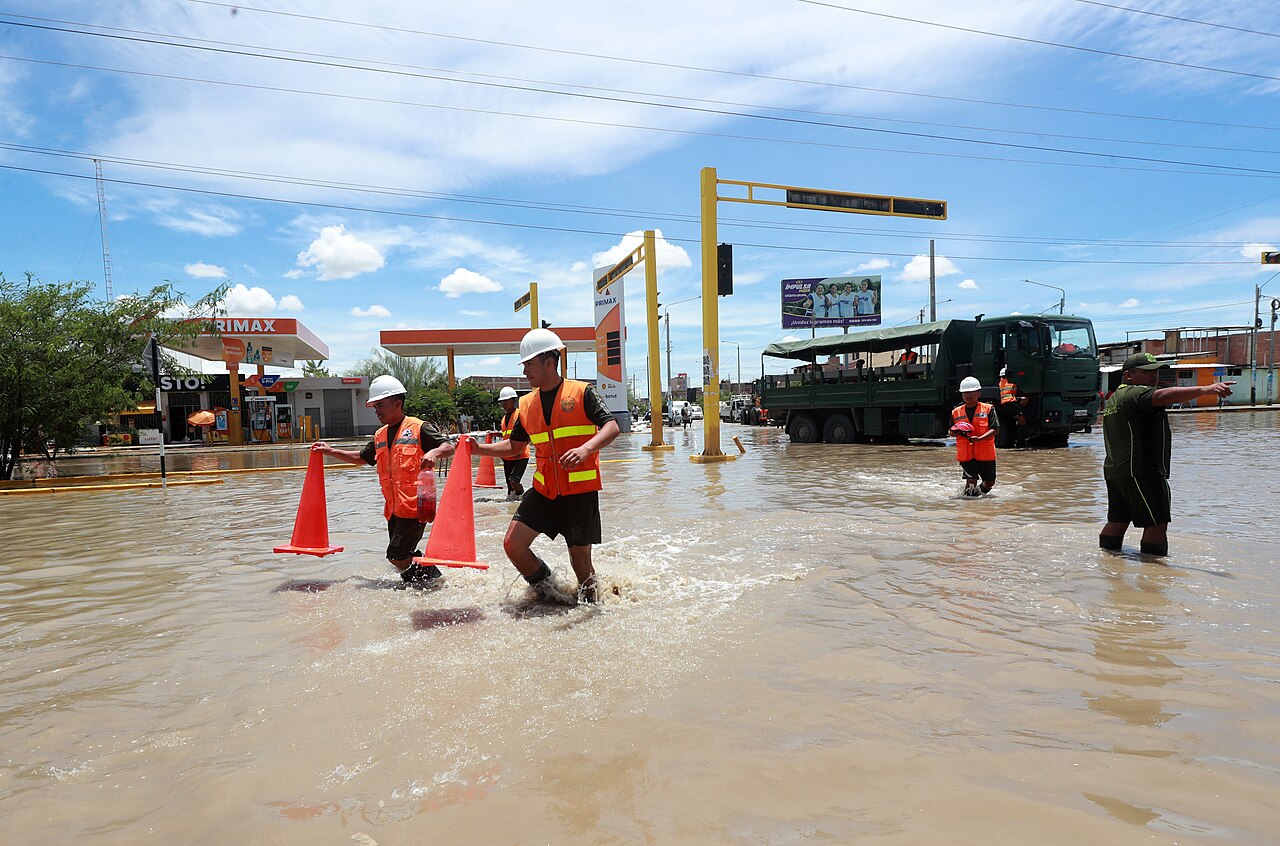
Peru’s government wants to spend far more on five giant infrastructure projects than on new flood defenses next year. That is the central finding in Peru’s newly submitted 2027 budget bill, now before Congress.
The bill sets aside S/3.8 billion (about US$1.1 billion) for five flagship megaprojects. That is roughly double the S/1.8 billion (about US$545 million) set aside for flood-control infrastructure.
Where the Money Would Go
Peru’s overall 2027 budget would total S/266.5 billion (about US$79.6 billion), a 3.5% increase from this year. Public investment alone would reach S/57 billion (about US$17 billion) across the country.
Five projects lead the list, including two Lima Metro lines and the Chinchero International Airport near Cusco. The other two are a Lima ring road and a highway package linking several regions.
The Metro lines alone would receive S/1.9 billion (about US$580 million). That is nearly half of all five megaprojects combined.
The Chinchero airport near Cusco would get S/440 million, about US$131 million. The Lima ring road would get S/436 million, about US$130 million.
A new express highway would receive S/454 million, about US$135 million. The regional highway package would get S/522 million, about US$156 million.
Flood Money Split Unevenly
El Niño is a Pacific Ocean weather pattern that regularly floods Peru’s northern coast. The 2027 budget sets aside S/2.5 billion (about US$743 million) for El Niño preparations.
El Niño already hurt Peru’s economy this year. It cut economic growth by roughly one percentage point in the first half of 2026.
Of that, S/1.8 billion (about US$545 million) is earmarked for flood-control infrastructure alone. Just 19% of the full pot would go to regional and local governments.
That regional and local share equals S/465 million, about US$139 million. National agencies keep the rest, S/2 billion (about US$604 million).
The National Assembly of Regional Governments represents Peru’s 25 regions. It says the funding problem goes far beyond flood-relief money alone.
The group calculates a separate S/2.8 billion (about US$828 million) cut to regional investment budgets overall. That is an 18.7% drop from what regions got this year.
The regional group also says some regions face full cuts to a key funding source called ordinary resources. It warns those losses could halt disaster-response work already underway.
“We do not want to hand new regional leaders projects left half-finished,” the assembly said. It has asked President Keiko Fujimori to convene a regional council on the budget.
Government Defends the Plan
Finance Minister Elmer Cuba defends the budget as decentralized. He says regional and local governments get money from day one, not through later transfers.
Cuba also points to S/57 billion (about US$17 billion) in public investment across all of Peru. The ministry says that spending will keep current projects running in every region.
Officials say the new method avoids extra mid-year transfers that regions often fail to spend in time.
Peru’s construction industry association wants lawmakers to keep infrastructure spending high. It says paused projects need steady funding to restart safely.
What Happens Next in Congress
Peru’s government submitted the budget bill on August 30, 2026. Cabinet ministers formally presented it to Congress on Thursday, September 3.
Peru’s Congress works in two chambers for the first time since 1992, a Senate and a Chamber of Deputies. A joint committee from both chambers is reviewing the budget bill now.
Three former regional governors now sit in the Senate as lawmakers. They are expected to play a key role in the regional funding fight.
Lawmakers expect full floor debate to start around November 15. The constitution requires final approval by November 30, or the original bill can become law by decree.
More: Peru news in English, every day from The Rio Times.
Frequently Asked Questions
What is Peru’s 2027 budget bill?
It is the government’s spending plan for 2027, totaling S/266.5 billion (about US$79.6 billion).
What is El Niño and why does it matter here?
El Niño is a Pacific Ocean pattern that causes heavy flooding on Peru’s northern coast. The 2027 budget sets aside money to prepare for it.
Which five projects are called Peru’s megaprojects?
Two are Lima Metro lines and a new ring road for the capital. The rest are an express highway, plus the Chinchero airport and a regional highway package.
When will Congress decide on the budget?
Debate should start by mid-November, with final approval due by November 30. If lawmakers miss that date, the original bill can still become law.
Sources: La República, Gestión, El Comercio, Andina (Peru’s state news agency), Infobae, and Peru’s Congress communications office.
This article was produced by The Rio Times’ automated newsroom system. How we use AI · Report an error
Read More from The Rio Times