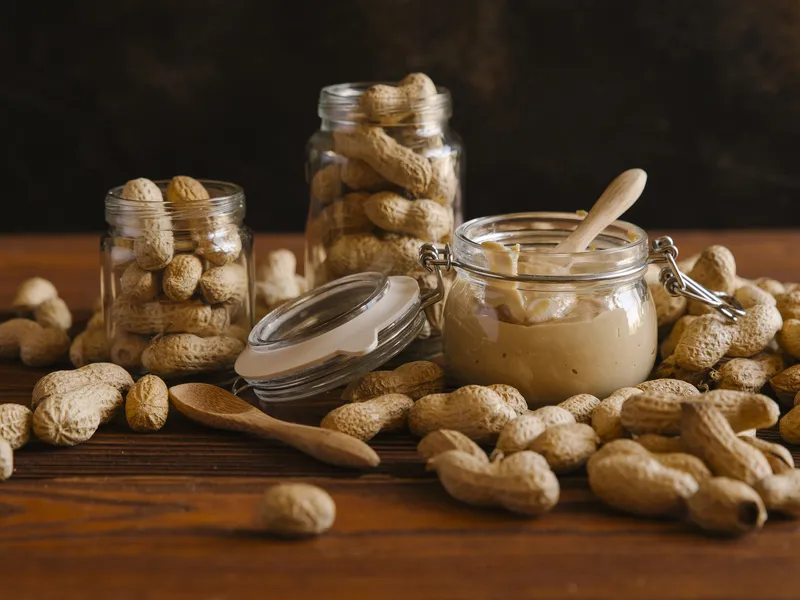
Introducing smooth peanut butter to infants could prevent lifelong peanut allergies, according to a UK study.
This research carries global significance, with varied allergy patterns observed worldwide due to cultural, dietary, and environmental influences.
For instance, while peanut allergies are less common in China, there are higher incidences of seafood allergies, including reactions to shrimp, mangos, and shellfish.
These findings underscore the impact of regional diets on allergy prevalence.
The rise in food allergies globally is often attributed to lifestyle changes. These include more sterile living environments that reduce microbial exposure, potentially heightening allergy susceptibility.
This theory is supported by the observation that migrants frequently develop new allergies when moving to different environments.
Early Peanut Introduction for Allergy Prevention
The UK study, inspired by the low rates of peanut allergies among Israeli children who regularly eat peanut-based snacks, suggests that early exposure to peanuts can build tolerance.
This supports a theory that was once considered controversial but is now backed by long-term data.
Implementing early peanut introduction could revolutionize allergy prevention strategies, potentially reducing the incidence of peanut allergies significantly.
This approach acknowledges the need to understand regional and environmental variations to develop effective global guidelines for allergy prevention.
Moreover, the economic impact of allergies is profound, with conditions like hay fever affecting 250 million people in China and costing billions annually.
The increasing prevalence of food allergies worldwide underscores the urgency of finding effective prevention methods.
In conclusion, early peanut butter introduction into children’s diets could greatly diminish the risk of developing peanut allergies.
This article was produced by The Rio Times’ automated newsroom system. How we use AI · Report an error
Read More from The Rio Times