IBOV 185,147.15 ▼ 0.02% IPSA 11,315.26 ▼ 1.14% IPC MEX 64,866.61 ▼ 0.87% MERVAL 3,049,121 ▼ 0.29% COLCAP 2,544.56 ▲ 0.40% BVL PERÚ 59,978.22 ▼ 0.31% USD/BRL5.12▼ 0.05% USD/MXN16.87▼ 0.07% USD/CLP933.68— 0.00% USD/COP3,132▲ 0.23% USD/PEN3.35▼ 0.02% USD/ARS1,509▼ 0.02% USD/UYU40.24— 0.00% USD/PYG5,947— 0.00% USD/BOB12.40— 0.00% USD/DOP59.00— 0.00% USD/CRC448.67— 0.00% USD/GTQ7.63— 0.00% USD/HNL26.84— 0.00% USD/NIO36.62— 0.00% USD/VES805.37▼ 0.90% USD/PAB1.00— 0.00% USD/BZD2.00— 0.00% USD/JMD 157.28 — 0.00% USD/TTD6.71— 0.00% EUR/BRL5.95▲ 0.40% BRENT 88.88 ▼ 0.03% WTI 83.11 ▼ 0.11% IRON ORE 161.91 — — COPPER 6.61 ▲ 0.03% GOLD 4,461 ▲ 1.78% SILVER 65.59 ▲ 1.26% SOY 1,184 ▲ 3.20% CORN 480.50 ▲ 10.02% WHEAT 655.00 ▲ 3.93% COFFEE 317.25 ▼ 5.51% SUGAR 16.43 ▼ 1.79% ORANGE JUICE 138.55 ▼ 0.47% COTTON 85.03 ▲ 2.33% COCOA 5,719 ▲ 3.18% BEEF 223.60 ▼ 3.93% CATTLE 339.10 ▼ 3.16% LITHIUM 75.20 ▲ 1.47% PETR4 41.64 ▼ 0.05% VALE3 72.97 ▲ 0.83% ITUB4 38.60 ▼ 1.03% BBDC4 16.85 ▲ 0.36% ABEV3 14.89 ▼ 0.80% BBAS3 19.37 ▲ 0.47% B3SA3 14.26 ▼ 0.21% WEGE3 47.59 ▲ 0.49% PRIO3 59.14 ▼ 0.19% SUZB3 41.33 ▲ 2.35% RENT3 34.68 ▼ 0.09% AZZA3 15.89 ▼ 2.63% CSAN3 3.22 ▼ 1.83% RAIZ4 0.25 — 0.00% PCAR3 2.75 ▼ 0.36% GMAT3 3.65 ▼ 1.08% PSSA3 48.13 ▼ 0.54% CVCB3 1.33 ▼ 2.92% POSI3 3.36 ▲ 2.44% SLCE3 13.34 ▲ 0.30% NATU3 8.14 ▼ 0.73% IBOV 185,147.15 ▼ 0.02% IPSA 11,315.26 ▼ 1.14% IPC MEX 64,866.61 ▼ 0.87% MERVAL 3,049,121 ▼ 0.29% COLCAP 2,544.56 ▲ 0.40% BVL PERÚ 59,978.22 ▼ 0.31% USD/BRL 5.16 ▲ 0.01% USD/MXN 17.06 ▼ 0.24% USD/CLP 913.98 ▲ 0.04% USD/COP 3,140 ▲ 0.03% USD/PEN 3.36 ▼ 0.66% USD/ARS 1,493 ▲ 0.10% USD/UYU 40.27 ▲ 1.24% USD/PYG 5,939 ▲ 1.68% USD/BOB 11.64 ▼ 0.76% USD/DOP 58.34 ▲ 1.25% USD/CRC 445.92 ▲ 0.89% USD/GTQ 7.62 ▲ 2.21% USD/HNL 26.79 ▲ 1.57% USD/NIO 36.62 ▲ 0.69% USD/VES 762.44 ▼ 0.13% USD/PAB 1.00 — 0.00% USD/BZD 2.00 — 0.00% USD/JMD 157.28 — 0.00% USD/TTD 6.70 ▲ 0.61% EUR/BRL 5.95 ▲ 1.01% BRENT 88.88 ▼ 0.03% WTI 83.11 ▼ 0.11% IRON ORE 161.91 — — COPPER 6.61 ▲ 0.03% GOLD 4,461 ▲ 1.78% SILVER 65.59 ▲ 1.26% SOY 1,184 ▲ 3.20% CORN 480.50 ▲ 10.02% WHEAT 655.00 ▲ 3.93% COFFEE 317.25 ▼ 5.51% SUGAR 16.43 ▼ 1.79% ORANGE JUICE 138.55 ▼ 0.47% COTTON 85.03 ▲ 2.33% COCOA 5,719 ▲ 3.18% BEEF 223.60 ▼ 3.93% CATTLE 339.10 ▼ 3.16% LITHIUM 75.20 ▲ 1.47% PETR4 41.64 ▼ 0.05% VALE3 72.97 ▲ 0.83% ITUB4 38.60 ▼ 1.03% BBDC4 16.85 ▲ 0.36% ABEV3 14.89 ▼ 0.80% BBAS3 19.37 ▲ 0.47% B3SA3 14.26 ▼ 0.21% WEGE3 47.59 ▲ 0.49% PRIO3 59.14 ▼ 0.19% SUZB3 41.33 ▲ 2.35% RENT3 34.68 ▼ 0.09% AZZA3 15.89 ▼ 2.63% CSAN3 3.22 ▼ 1.83% RAIZ4 0.25 — 0.00% PCAR3 2.75 ▼ 0.36% GMAT3 3.65 ▼ 1.08% PSSA3 48.13 ▼ 0.54% CVCB3 1.33 ▼ 2.92% POSI3 3.36 ▲ 2.44% SLCE3 13.34 ▲ 0.30% NATU3 8.14 ▼ 0.73%
since 2009
Sunday, September 6, 2026

Opinion: Russia Courts Latin America to Counterbalance U.S. Influence

By · October 4, 2023 · 2 min read

Daily Brief

The morning intel from across Latin America. Free.

By subscribing you agree to our privacy policy. We never share your email.

(Opinion) Russia considers Latin America to be a strategic partner, primarily because the region frequently questions U.S. hegemony.

Recently, Sergei Lavrov, Russia’s Foreign Minister, emphasized this point at a forum in Moscow.

He called for a more prominent global role for Latin American countries, effectively strengthening their voice in international forums like the UN and G20.

Such a strategic alliance is crucial for altering the traditional power structures, dominated by the U.S. for decades.

Alejandro Martinez, a security expert, echoes this sentiment.

He claims that Latin America holds the potential to facilitate global multipolarity, bringing balance to world politics.

Moreover, the collaboration is not limited to just geopolitical maneuvering.

Russia also engages in cultural exchanges and academic partnerships with Latin American countries.
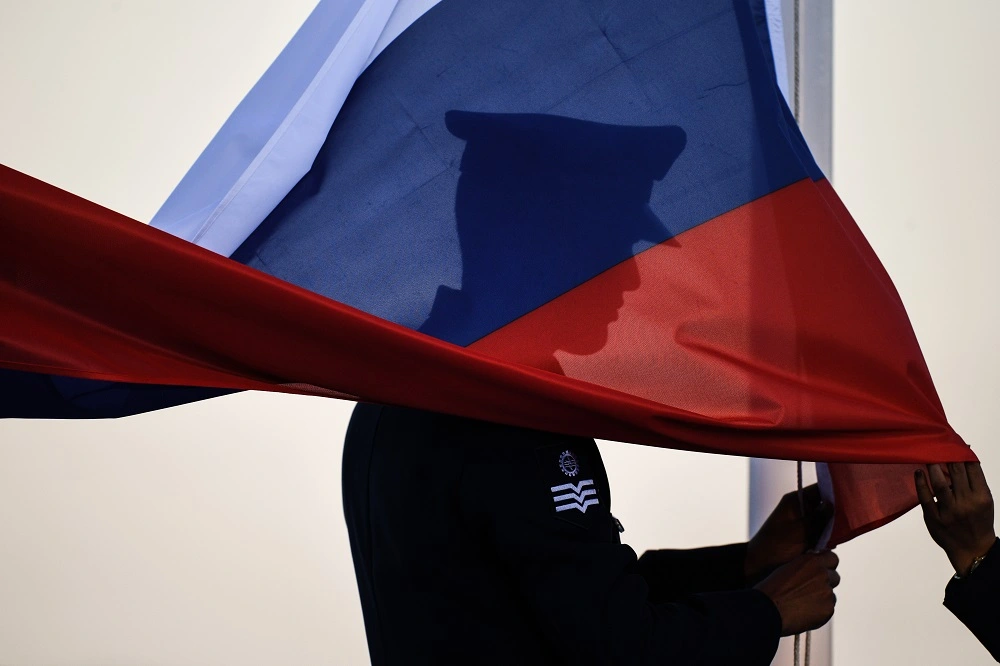
Russia Courts Latin America to Counterbalance U.S. Influence.
One-stop reference
Company Intelligence
Every listed company in Latin America — financials, ownership and structure for 1,450+ companies across 26 exchanges, in one place.
Browse the directory →
RT
Ask Rio Times
17 years of Latin America reporting, on demand.
Open the full Ask Rio Times →

It offers support in tackling universal challenges such as climate change and organized crime. These initiatives underline Russia’s comprehensive strategy in the region.

However, the alliance does have its limitations.

For example, Mexico’s close economic and geographical relationship with the U.S. acts as a barrier to full engagement with Russia.

Existing trade agreements, such as the USMCA, make it hard for Mexico to pivot towards a more multi-aligned stance.

The ultimate goal seems to be altering the status quo. With the rise of multipolar alliances, we’re seeing a gradual shift from U.S. dollar dependency.

Countries are exploring new economic partnerships. In doing so, they’re paving the way for a more balanced, interconnected world.

In a nutshell, Russia is actively working to deepen its relationships with Latin America. This isn’t just a fleeting political maneuver.

It’s a calculated strategy designed to redistribute global power.

The move could eventually decrease America’s long-standing hegemony, making room for a more equitable global landscape.

Background

Expanding the lens, this Russia-Latin America alliance has broader implications. Locally, for Latin American countries, aligning with Russia can offer alternatives.

They can access resources, technology, and diplomatic support that the U.S. may not offer.

It opens avenues for greater self-determination, without relying solely on traditional Western allies.

On the other hand, it also presents risks. Aligning too closely with Russia could strain relationships with the U.S., which remains a key trade partner for many.

Globally, this move serves as another example of the shifting world order. China, too, has been deepening its ties with Latin America through investments and trade deals.

The strategy of building multipolar alliances is not unique to Russia. Countries are increasingly seeking diversified partnerships to avoid dependency on a single power.

This highlights the decline of unilateral influence in favor of a more balanced global arena.

Overall, the budding Russia-Latin America relationship is a sign of changing times.

It shows the dynamic nature of international relations, where alliances can form beyond traditional confines.

This is indicative of a future where multiple centers of power coexist, altering the longstanding dynamics that have defined world politics for decades.

Read More from The Rio Times

The Rio Times · Power Map
See who really holds power in Latin America
Click to open the Power Map

Rotate for Best Experience

This report is optimized for landscape viewing. Rotate your phone for the full experience.