Opinion: Reforming Electoral Courts in Guatemala and Latin America
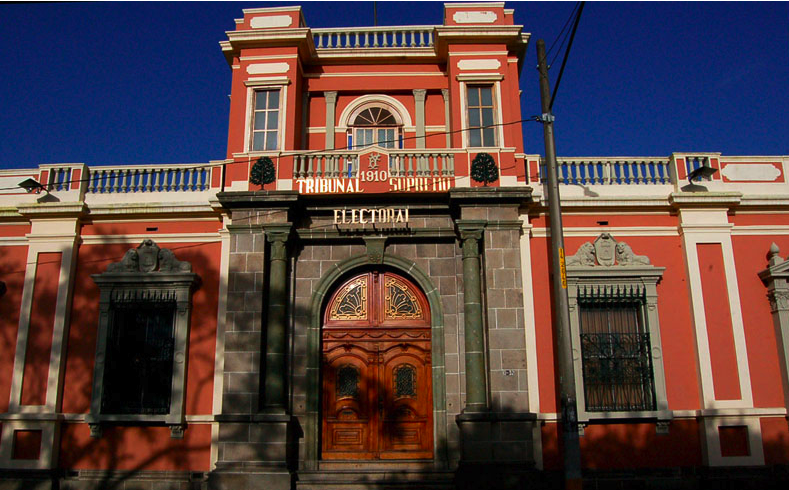
The recent stripping of immunity from four judges of Guatemala’s Supreme Electoral Tribunal by Congress is a key moment for the nation’s electoral integrity.
This action, supported by a majority of legislators, is a crucial step toward addressing allegations of illegal activities and misconduct within the electoral system.
Such measures are imperative in regions like Latin America, where the impartiality and integrity of electoral courts are often questioned.
The actions of Guatemala’s Congress, amid allegations of irregularities, should be viewed as a necessary measure to preserve the sanctity of democratic processes.
In a region plagued by political instability and accusations of corrupt electoral practices, as seen in Venezuela and Brazil, the cleansing of electoral courts is not just a choice but a necessity.
This is especially crucial when courts are accused of manipulating election outcomes or of being influenced by political biases.
Venezuela and Brazil
In Venezuela, barring opposition figures from elections under questionable circumstances highlights the need for transparency.
Similarly, Brazil’s controversial decision to bar a former president from running underscores the importance of accountable electoral processes.
Therefore, Guatemala’s decision to strip judges of immunity represents a significant step towards re-establishing trust in electoral institutions.
While some have criticized the move as politically motivated, it is essential to recognize the broader context of a region where electoral integrity is often compromised.
Cleaning up the electoral courts is vital in ensuring that elections are free, fair, and reflective of the people’s will.
It is a move that can help restore public faith in democratic institutions and set a precedent for other nations grappling with similar challenges.
In conclusion, Guatemala’s bold move is a wake-up call to the region, emphasizing the importance of judicial integrity in electoral processes.
It’s a step towards ensuring that Latin American democracies are built on the foundations of fairness and transparency, crucial for the region’s political stability and democratic health.
This article was produced by The Rio Times’ automated newsroom system. How we use AI · Report an error
Read More from The Rio Times