(Opinion) The Supreme Court of Brazil’s recent ruling on media liability marks a critical juncture for press freedom.
This decision, mandating that media outlets can be held accountable for disseminating false statements made by interviewees, sets a new precedent.
It challenges the core of journalistic practice and raises profound concerns about the future of free press in Brazil.
At first glance, the ruling seems to uphold responsible journalism by ensuring media outlets verify information before publication.
This objective is commendable, aiming to uphold truth and integrity in reporting. However, the implications of this decision stretch far beyond the noble goal of factual accuracy.
They venture into the delicate territory of press autonomy and editorial judgment. The ruling risks a chilling effect on media operations.
Wary of legal repercussions, journalists might shy away from covering contentious issues or interviewing controversial figures.
This self-censorship, though subtle, could significantly impair the media’s role as a watchdog and a platform for diverse voices.
Moreover, the decision blurs the line between reporting and endorsement.
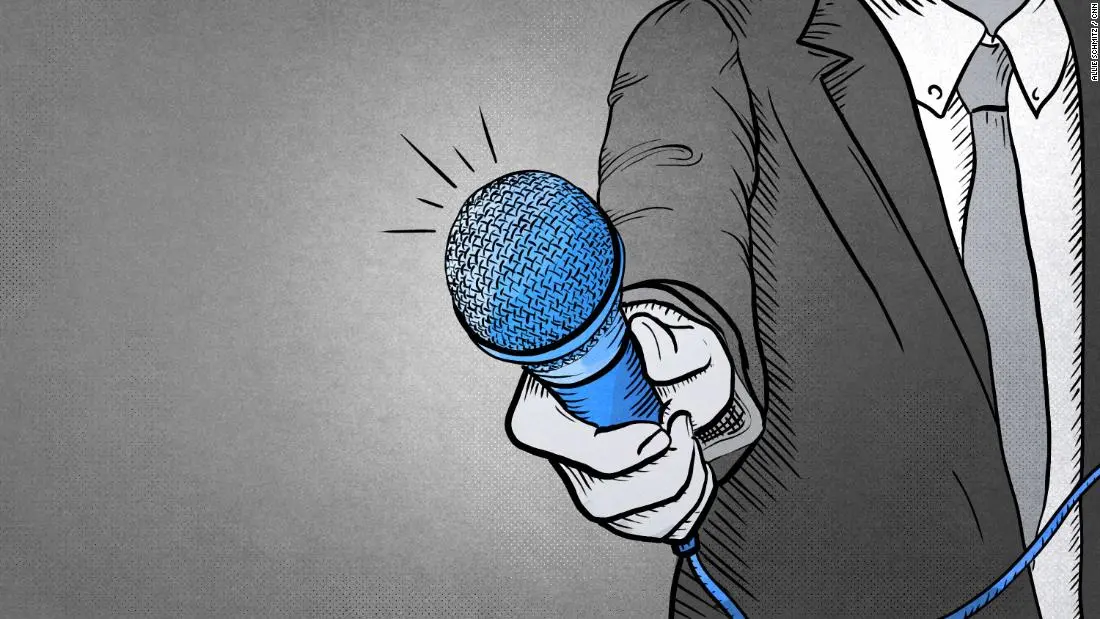
Holding media responsible for their interviewees’ statements suggests an implicit endorsement of those views, a misinterpretation that undermines the essence of reporting.
Journalists’ role is to inform, not censor or endorse every word their subjects speak.
The judgment also burdens media outlets disproportionately, particularly smaller ones with limited resources.
Verifying every statement made in an interview is an onerous task. It’s especially challenging in live interviews or when dealing with complex subjects.
This burden could hinder the media’s ability to provide timely and comprehensive news coverage, impacting public discourse.
Press freedom is increasingly under threat
This STF ruling, while well-intentioned, does not exist in a vacuum. It emerges in a global context where press freedom is increasingly under threat.
In Brazil, where the media has faced political pressures and accusations of bias, this decision could be misused to further political agendas and suppress dissenting voices.
In conclusion, while promoting responsible journalism is crucial, Brazil’s Supreme Court ruling risks endangering the very foundation of press freedom.
It places an unrealistic expectation on media outlets, potentially leading to self-censorship and a muted press.
In a healthy democracy, a free and fearless press is not just desirable but essential.
This decision, therefore, should be revisited to find a balance that upholds both the truth and the freedom of the press.
Read More from The Rio Times