Opening Skies: How Flybondi and JetSMART Plan to Transform Brazilian Air Travel
In South America’s competitive skies, Argentina’s Flybondi and Chile’s JetSMART are targeting Brazil. They aim to shake up a market long dominated by higher-cost airlines.
Their strategic expansion could bring more affordable travel options to one of the continent’s largest markets, highlighting a significant shift in regional air travel dynamics.
Flybondi’s Ambitious Expansion
Starting in 2018, Flybondi quickly made a name for itself with its ultra-low-cost services. Now, it looks to Brazil, a country where air travel is notoriously expensive, to increase its footprint.
Flybondi plans to boost the frequency of its flights between Argentina and major Brazilian cities like Rio de Janeiro and São Paulo.
Additionally, the airline is eyeing the lucrative opportunity of launching domestic flights within Brazil—a move that could disrupt the current market structure.
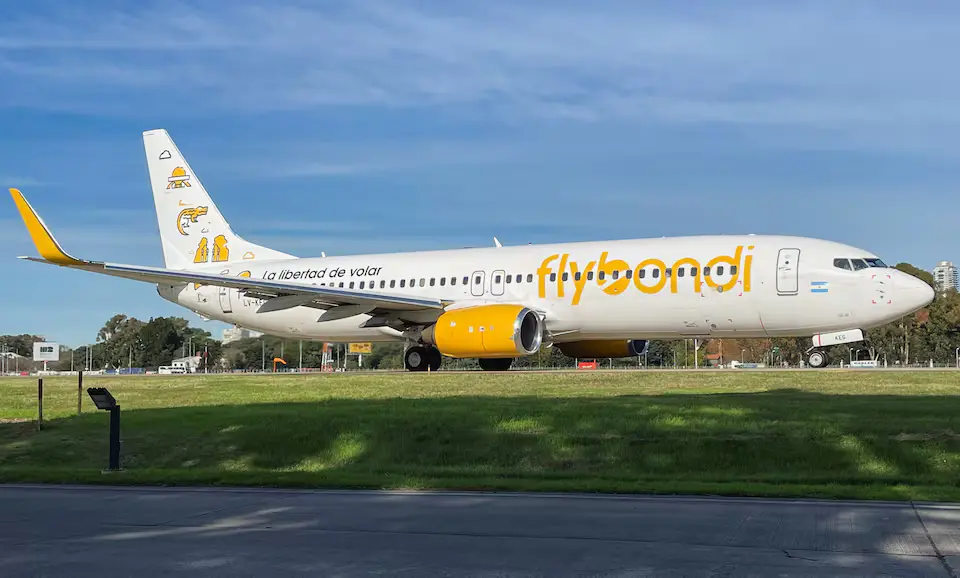
Despite the promising outlook, Flybondi faces considerable challenges. Brazil’s stringent consumer protection laws and the high cost of aviation fuel pose significant barriers.
The company’s CEO, Mauricio Sana, notes that navigating these regulatory hurdles is crucial for their success and expansion in Brazil.
JetSMART’s Targeted Approach
Similarly, JetSMART is not holding back in its efforts to penetrate the Brazilian market.
Currently focusing on international routes, the airline plans to expand its services, particularly to Rio de Janeiro.
Viewing Brazil as a key market, JetSMART aims to capitalize on its growing economy and demand for cost-effective travel solutions.
JetSMART’s expansion strategy, however, must also contend with Brazil’s complex regulatory environment.
The country’s strict regulations on consumer rights and additional costs, such as mandatory baggage fees, could affect the airline’s ability to offer competitive pricing.
Why This Matters
The entry of Flybondi and JetSMART into Brazil is not just about new flight routes. It represents a potential shift in how Brazilians travel domestically and internationally.
These airlines could break the mold of high-cost air travel, offering more accessible options to a broader audience.
This move comes at a time when the demand for budget-friendly travel solutions is on the rise, not only in Brazil but across the globe.
This article was produced by The Rio Times’ automated newsroom system. How we use AI · Report an error
Read More from The Rio Times