Ocean’s Metamorphosis: Survival and Adaptation in East Asian Fishing Communities
The relentless march of climate change transforms oceanic ecosystems, challenging generations of maritime traditions along Japan and South Korea’s coastlines. Fishermen witness unprecedented shifts that threaten their ancestral livelihoods.
Oceanic temperatures around East Asia surge faster than global averages, rising 1.9°C over the past century. This seemingly modest increase disrupts delicate marine ecosystems with profound consequences. Traditional fishing grounds transform, forcing communities to reinvent economic survival strategies.
Squid populations exemplify this dramatic ecological shift. South Korean waters saw squid catches plummet from 163,000 tons in 2014 to merely 23,000 tons by 2023. Ulleung Island, once a squid-processing hub, now struggles with economic survival.
Local fishermen face brutal economic realities. Fuel costs reach 1 million won ($730) per fishing trip, while diminishing catches render traditional methods unsustainable. Younger generations abandon maritime careers, leaving aging professionals to confront unprecedented challenges.
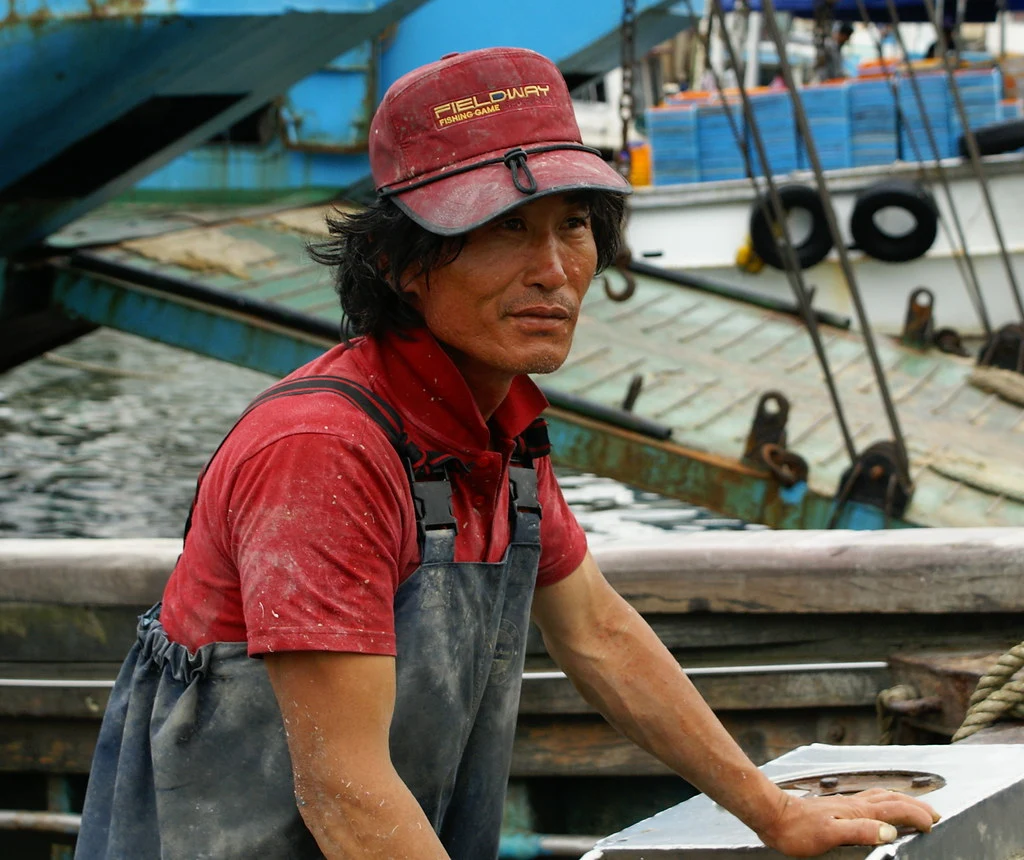
Climate adaptation becomes an economic imperative. Fishermen explore alternative species, learning new techniques and targeting emerging marine populations. Cutlass fish, previously rare in northern waters, now represent economic opportunity.
Government interventions offer limited relief. Emergency assistance programs provide temporary support, but cannot fundamentally restructure marine ecosystems. Fishermen increasingly recognize self-reliance as their primary survival strategy.
Technological innovation emerges as a potential lifeline. Advanced monitoring systems, adaptive fishing techniques, and species diversification represent pragmatic responses to environmental transformation. Individual initiative trumps bureaucratic intervention.
Ocean’s Metamorphosis: Survival and Adaptation in East Asian Fishing Communities
Broader economic implications extend beyond fishing communities. Seafood processing industries, local economies, and cultural identities face fundamental restructuring. The human capacity for adaptation becomes the critical variable in this unfolding narrative.
Migration patterns reflect economic pressures. Foreign workers increasingly fill labor gaps in fishing industries, highlighting the profound demographic shifts accompanying environmental change. Traditional maritime communities undergo radical transformation.
University research confirms systemic challenges. Smaller fish populations result from increased resource competition, further complicating economic sustainability. Global warming creates complex, interconnected ecological disruptions.
This article was produced by The Rio Times’ automated newsroom system. How we use AI · Report an error
Read More from The Rio Times