Nigeria Says Fuel Sector Needs US$30 Billion
Nigeria’s fuel regulator has put a price on the next stage of its energy build-out and says it is developing a reserve of fuel against shortages.

Energy: Nigeria
Nigeria’s fuel regulator said in Lagos on Thursday 26 November 2026 that the country needs about US$30 billion of investment by 2030. The money is for midstream and downstream petroleum infrastructure, meaning fuel depots, pipelines and gas processing.
The authority, formally the Nigerian Midstream and Downstream Petroleum Regulatory Authority (NMDPRA), oversees fuel depots and pipelines. It is also developing a reserve of fuel, which can cushion the country against supply shocks.
Key Facts
- Who. NMDPRA, Nigeria’s regulator for fuel depots, pipelines and stations, through a deputy director.
- What. About US$30 billion of petroleum infrastructure investment needed by 2030.
- Where. Lagos, at the Business Intelligence Africa summit on Thursday 26 November.
- Stock. Target of 30 to 45 days of reserve fuel, starting at selected depots.
- As of. 27 November 2026, 05:00 GMT.
Nigeria’s fuel regulator has put a price on the next stage of its energy build-out and says it is developing a reserve of fuel against shortages.
The statement came from the Authority’s chief executive, Rabiu Umar, and was delivered at the summit by Victor Ojiakor, an NMDPRA deputy director responsible for distribution, storage systems and retail infrastructure. The Business Intelligence Africa (TBI Africa) Summit 2026, an industry conference in Lagos, met under the theme Securing Nigeria’s Energy Future: Balancing Energy Security, Sustainability and Economic Growth.
Umar named gas processing, storage, transportation and distribution as the critical areas, the stretch between the wells and the customer. He also pointed to opportunities to expand the use of gas and to connect gas resources to the people who buy it.
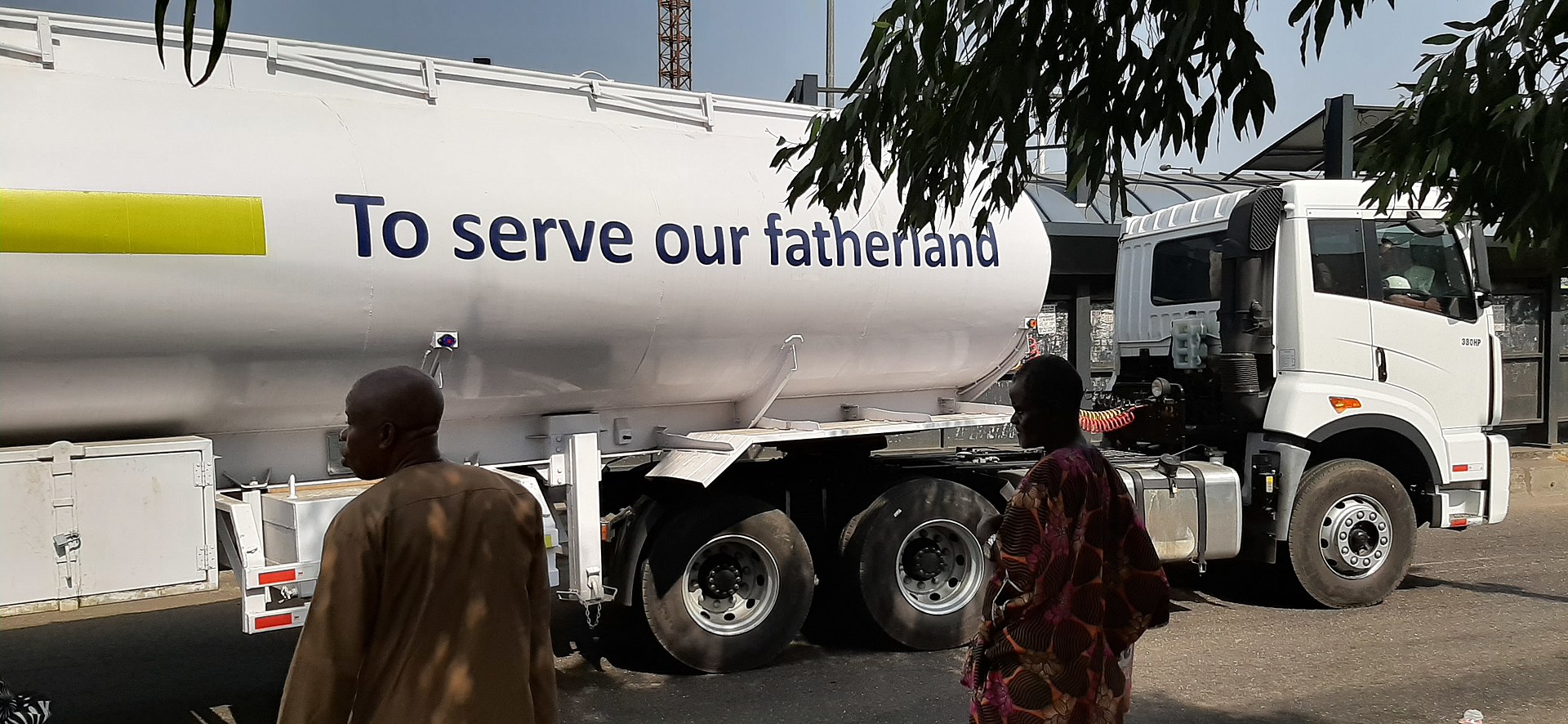
On 30 January 2026 NNPC Ltd, the state oil company, unveiled its Gas Master Plan 2026 in Abuja. It said pipeline projects in its development plans could require up to US$22 billion.
In September 2026 the Midstream and Downstream Gas Infrastructure Fund (MDGIF), which is government-backed, said it had used N671 billion (naira; about US$495 million) of public money. That money drew N1.6 trillion (about US$1.18 billion) of private investment across 31 gas projects covering 205 infrastructure assets, converted at N1,356 per US$ on 27 November 2026.
When finished, the fund said, those projects should deliver about 475 million standard cubic feet of gas a day (a standard unit of gas volume) to the domestic market. The US$22 billion pipeline estimate and the US$30 billion sector figure come from different bodies, so they should not be added together.
Sarah Eugene, a business research analyst on a summit panel, said that potential and opportunity are different things. She said investors weigh commercial viability, reliable buyers, infrastructure and payment arrangements.
She added that unreliable pipelines and evacuation infrastructure, the links that move gas away from where it is produced, are major risks to project delivery and returns. She called for a targeted national programme to carry gas to power plants and factories.
Olufemi Rufai, a commercial general manager on the same panel, said inadequate gas transport and distribution is a major constraint to industrial development. In his view, trunk pipelines, the large long-distance lines, will not deliver gas to businesses without distribution networks linking industrial clusters and other consumers.
On fuel security, NMDPRA is developing a national strategic petroleum stock programme, a reserve of fuel kept to cushion supply disruptions. It will first cover selected depots and then spread nationwide, with a target of 30 to 45 days of stock sufficiency.
The regulator did not say how the money divides between state and private sources. It also did not say how the total breaks down by project.
Frequently Asked Questions
How much does the regulator say is needed?
It says Nigeria needs about US$30 billion by 2030 for gas processing, storage, transport and distribution. The aim is stronger energy security.
What is a strategic fuel stock?
It is reserve fuel kept to cushion supply disruptions. NMDPRA plans to start with selected depots and then go nationwide.
Why are pipelines alone not enough?
Speakers at the summit said long-distance pipelines need distribution networks to reach businesses. Reliable buyers and payment arrangements also decide whether investors commit.
Sources
NMDPRA statement delivered at the TBI Africa Summit 2026 in Lagos, 26 November 2026 · NMDPRA · Midstream and Downstream Gas Infrastructure Fund statement, September 2026 · NNPC Ltd Gas Master Plan 2026, unveiled 30 January 2026
This article was produced by The Rio Times’ automated AI newsroom. Editorial responsibility: Matthias Camenzind, Publisher and Editor-in-Chief. The Rio Times also runs Ask Rio Times, which answers from 100,000+ of our own articles, the daily Latin America Power Map, and prediction-market odds on elections and markets.. How we use AI · Report an error
Connected Coverage
Nigeria news · Nigeria Gas Pipeline Reaches Abeokuta · Nigeria’s Dangote Refinery Cuts Diesel 7%