Nigeria Court Orders Regulator to Keep Licensing Fuel Importers
Nigeria · MARKETS
Key Facts
- —The country Nigeria is Africa’s most populous nation, with about 238 million people. Its economy was worth US$291 billion in 2025, roughly a fourteenth of Britain’s, according to the World Bank.
- —Why it matters Nigeria pumps crude oil but long imported most of its petrol. The US$20 billion Dangote refinery near Lagos now supplies most of it and wants imports curbed.
- —Why now The regulator approved new petrol import permits on 18 September. Dangote Refinery is meanwhile suing in Lagos to stop such licences.
- —What happened On Monday 28 September, a judge in Abuja ordered the regulator to keep licensing importers Matrix Energy, AA Rano and AYM Shafa.
- —The numbers In August, local refineries supplied 35.9 million litres of petrol a day and imports 14.6 million, regulator data show.
- —What it means for you Rival suppliers keep a legal route into the market. That limits the risk of one refinery setting pump prices for drivers and businesses.
- —Still open No appeal by the regulator had been reported by Tuesday. Dangote’s separate lawsuit against import licences is still pending in Lagos.
A Nigerian federal court has ruled that the fuel regulator broke the law by stalling fuel import licences for three marketers. The judgment keeps imports alive as Africa’s biggest refinery pushes to shut them out.
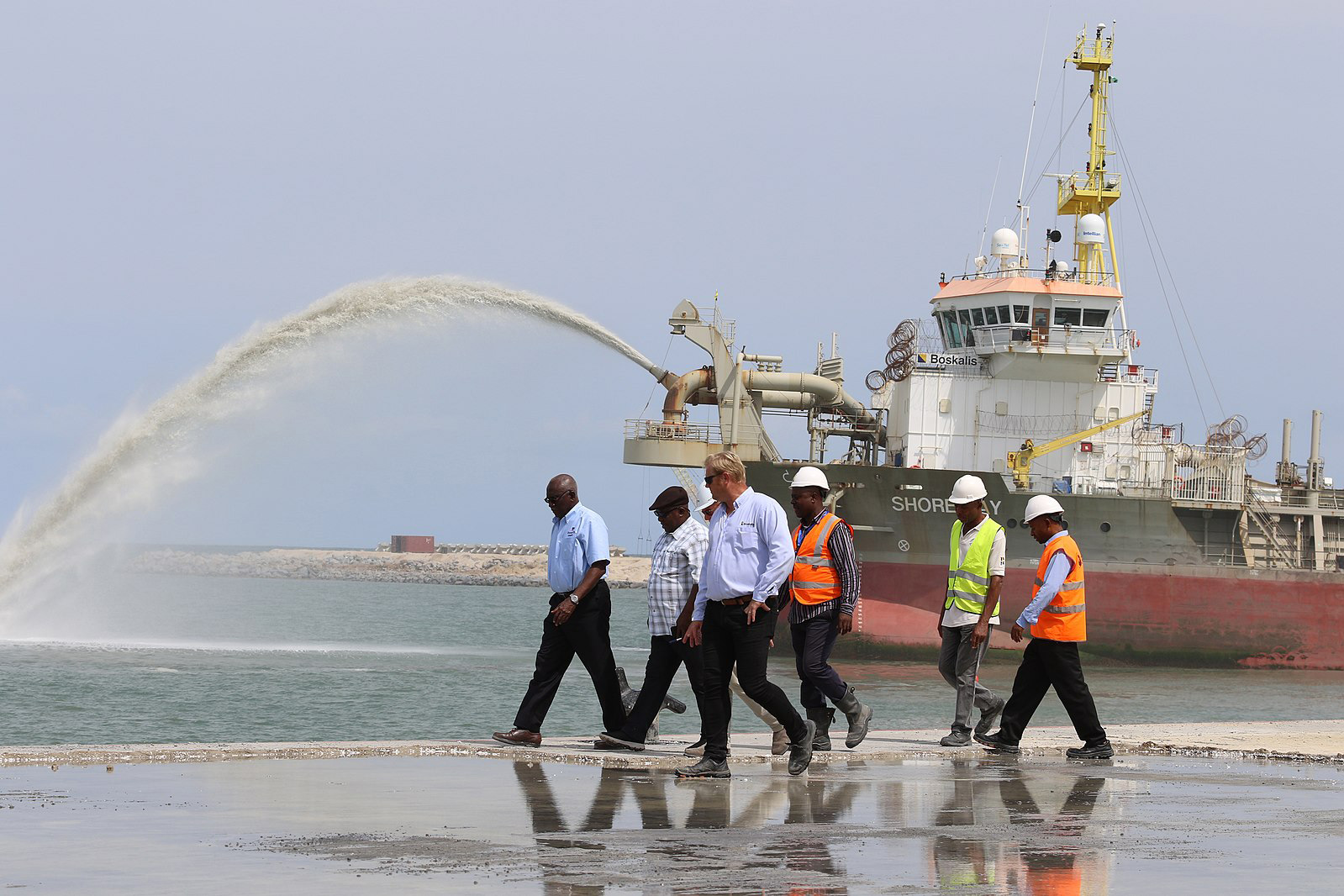
Nigeria, Africa’s most populous country, pumps crude oil but has long bought most of its petrol abroad. The privately owned Dangote refinery near Lagos now supplies most of that fuel and wants imports restricted.
On Monday, 28 September, Justice Inyang Ekwo of the Federal High Court in Abuja sided with three importers. He ordered the fuel-sector regulator, the Nigerian Midstream and Downstream Petroleum Regulatory Authority (NMDPRA), to keep licensing them.
The court order and its immediate effect
The judge found the regulator’s refusal to issue and renew their licences was in “direct non-compliance” with the Petroleum Industry Act (PIA). The PIA, passed in 2021, is Nigeria’s main oil and gas law.
He ordered the NMDPRA to “continue to grant” and renew their import licences once they meet all legal and regulatory conditions. He held that any exercise of licensing powers in breach of the law was “null and void”.
The court also declared that the PIA, read with Nigeria’s competition law, obliges the regulator to promote a competitive fuel market. That duty includes preventing the abuse of dominant market positions.
The judge did not strip the regulator of its powers, according to Premium Times. The NMDPRA keeps exclusive authority to grant, suspend or cancel licences, but must follow the law when it does.
Why the three marketers went to court
The three companies sued in June. In a 26 June affidavit, AA Rano executive director Sabiu Saidu Mahuta said licences had come only sporadically since July 2025.
He argued that this was entrenching the dominance of local refineries in the fuel market. He also said the three firms had invested over US$20 billion in infrastructure, logistics and retail, a figure not independently confirmed.
Their lawyer, Raji Ahmed, a Senior Advocate of Nigeria (a top rank of the bar), argued the law allows imports. He said imports alongside local refining would check monopoly and price-fixing.
Dangote Refinery versus the incumbent marketers
Dangote Refinery, owned by Africa’s richest man, Aliko Dangote, is a US$20 billion plant rated at 650,000 barrels a day. It argues that the law allows imports only when local refineries cannot meet demand.
In September 2024 the refinery sued the regulator, state oil firm NNPC and marketers for 100 billion naira (about US$75 million). It withdrew that case, which ended in November 2025.
In that earlier case, the three marketers told the court that a single-refinery monopoly would be a “recipe for disaster”. They warned that any breakdown at the plant would leave Nigeria short of fuel.
In May 2026 Dangote Refinery sued Nigeria’s attorney general at the Federal High Court in Lagos over continued import licences. Matrix, AA Rano and AYM Shafa have applied to join that case.
The regulator’s balancing act
The NMDPRA has changed hands twice since late 2025. In April 2026 President Bola Tinubu named Rabiu Umar, a former Dangote Group executive, to lead it.
Farouk Ahmed, who ran the regulator until late 2025, resisted any single refinery dominating supply and clashed publicly with Mr Dangote. Imports have continued under the new leadership.
On 18 September the regulator approved petrol import permits of about 830,000 tonnes for the final quarter of 2026. The recipients reportedly include Matrix Energy, AA Rano, AYM Shafa, NIPCO, Pinnacle Oil and Bono Energy.
Regulator spokesman George Ene-Ita said the permits were approved to avoid supply gaps in the busy end-of-year period.
How much fuel Nigeria still imports
The regulator’s own figures show the balance shifting. In August, Nigeria received 50.5 million litres of petrol a day, up from 45.5 million in July.
Domestic supply rose to 35.9 million litres a day, almost all from Dangote, while imports fell to 14.6 million litres. The three state-owned refineries at Port Harcourt, Warri and Kaduna produced nothing.
Imports therefore still covered close to three litres in every ten. The same data put petrol stocks at about 23 days of consumption at the end of August.
What to watch next
The NMDPRA can appeal Monday’s judgment, and no appeal had been reported by Tuesday. Dangote’s Lagos lawsuit, which seeks to curb import licences, has not yet been decided.
Marketers will watch whether the regulator now issues and renews fuel import licences on a regular schedule. Any change in import policy would feed through to pump prices, supply and corporate earnings.
For foreign investors, the case is a test of whether Nigeria’s courts and regulator will protect competition around a dominant private champion. Readers can follow related coverage in the Africa: The New Scramble pillar.
Naira figures are converted at about 1,329 naira to the US dollar, the open.er-api.com rate on 29 September 2026.
Frequently Asked Questions
What did the Nigerian court order in the fuel import case?
On 28 September 2026, a court in Abuja ordered Nigeria’s fuel regulator to keep licensing Matrix Energy, AA Rano and AYM Shafa. The firms must still meet all legal conditions.
Why is Dangote Refinery challenging fuel import licences?
The refinery argues that Nigerian law allows fuel imports only when local refineries cannot meet demand. It has a fresh lawsuit pending in Lagos against continued import licences.
Does Nigeria still import petrol?
Yes, though less than before. In August 2026 imports supplied 14.6 million of the 50.5 million litres of petrol received daily, regulator data show.
Connected Coverage
Sources
- nairametrics.com
- premiumtimesng.com – court judgment
- thecable.ng
- premiumtimesng.com – Q4 import permits
- premiumtimesng.com – August supply data
- premiumtimesng.com – NMDPRA leadership
- independent.ng
- World Bank – Nigeria data
This article was produced by The Rio Times’ automated newsroom system. How we use AI · Report an error
LatAm Markets: Live Signals → — real-time movers, turnover leaders and FX across Latin America.
Read More from The Rio Times