Nigeria Orders Election Violence Risk Maps
The reports of the remarks do not say which areas are flagged. The orders cover police coordination, staff training and a nationwide test of voting equipment this Saturday.

Nigeria: Election Security
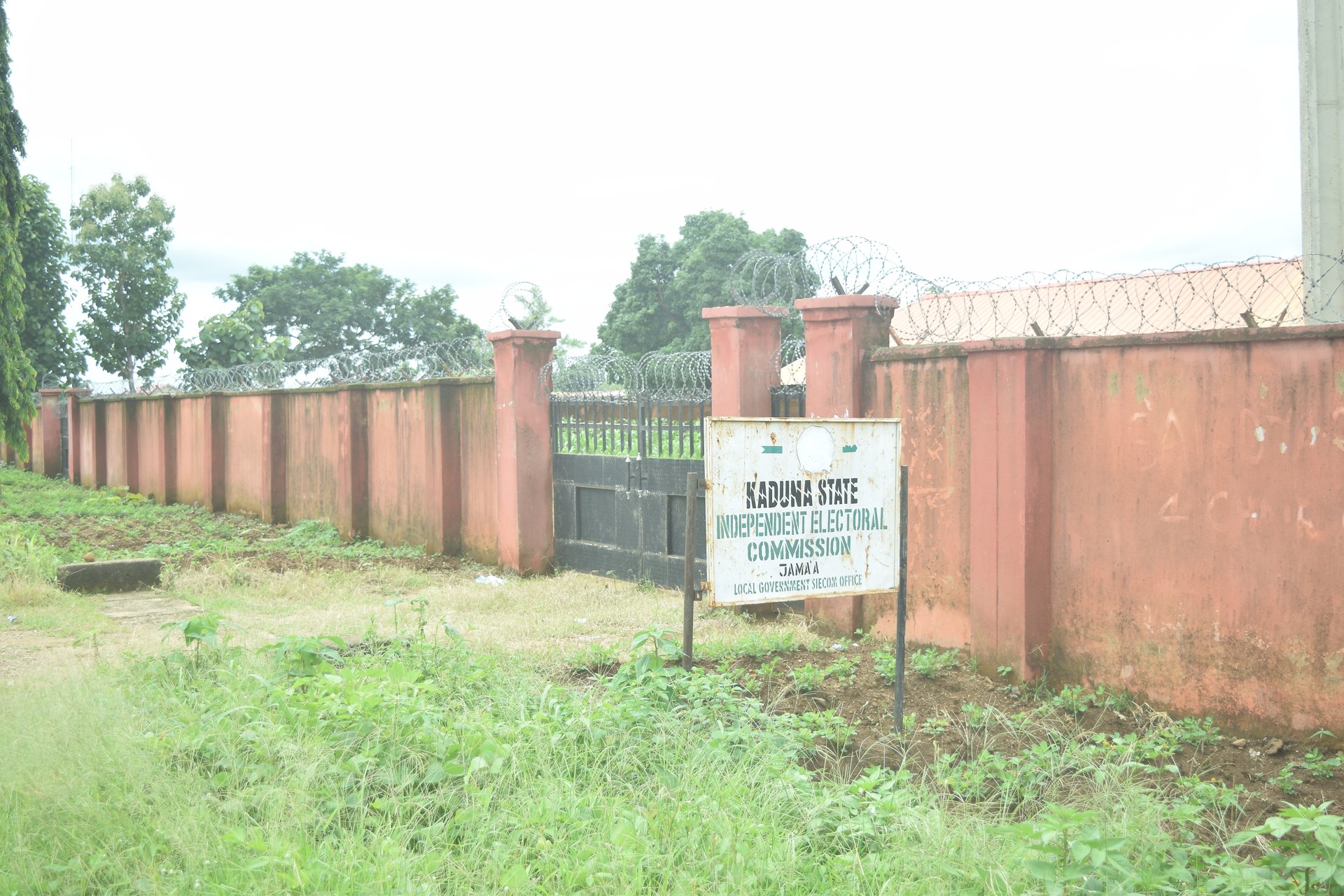
Nigeria’s election commission has told its 37 state chiefs to find violence hotspots in each ward, a small local electoral district, before the vote on Saturday 16 January 2027. Prof. Joash Amupitan, chairman of the Independent National Electoral Commission (INEC), gave the instruction, and details were reported on Thursday 26 November.
Presidential and National Assembly (parliamentary) elections are set for that date, and governorship and state assembly elections for Saturday 6 February 2027. INEC set both dates in late February 2026, after the new election law, the Electoral Act 2026, moved the polls forward from 20 February and 6 March.
Key Facts
- Who. Nigeria’s election authority, INEC, told its 37 state chiefs, the Resident Electoral Commissioners (RECs), to act.
- What. Risk maps to find, ward by ward, where voting violence could break out.
- When. Presidential vote on Saturday 16 January 2027; governorship vote on Saturday 6 February 2027.
- As of. 26 November 2026, 16:00 GMT.
The reports of the remarks do not say which areas are flagged. The orders cover police coordination, staff training and a nationwide test of voting equipment this Saturday.
Amupitan gave the directive at a consultative meeting with the RECs in Abuja, the capital, and said security planning must reach down to ward and local-government level. He warned that “even minor administrative lapses in one state can trigger national headlines and cast doubt on otherwise solid work elsewhere”.
He added: “Margin for error simply does not exist.” The commission, he said, “will not shield any staff member or official who compromises neutrality, facilitates malpractice, or breaches statutory rules”.
ACLED (Armed Conflict Location & Event Data, a conflict-data group) published an analysis on 22 February 2023. It counted over 200 violent events involving party members and supporters in the 12 months before that election, with nearly 100 reported deaths.
The same ACLED page puts the run-up to 2019 at over 150 such events and more than 100 deaths. For 2015 it counts about 115 events and over 90 deaths, and it says unarmed civilians were targeted in about 80% of the 2023 events.
The directive rules in ward-level security planning and rules out leaving it to state capitals alone. RECs must activate the Inter-Agency Consultative Committee on Election Security (ICCES), a forum of security agencies, at ward and local-government level.
Members include the police, the Department of State Services (DSS, the domestic intelligence agency) and the Nigeria Security and Civil Defence Corps (NSCDC, a paramilitary security agency). RECs must also use the risk maps to find vulnerable areas, anticipate threats and settle disputes over rally venues.
On Saturday 28 November 2026, INEC will hold a nationwide mock accreditation, a dress rehearsal of voter check-in and result transmission. It covers the 36 states and the Federal Capital Territory (the Abuja area), with two polling units, the local voting stations, in each ward.
Amupitan said the test covers 57,000 newly bought Bimodal Voter Accreditation System (BVAS, the fingerprint and face voter-check) machines. It also covers the upgraded INEC Result Viewing Portal (IReV), the public website for result sheets.
IReV now checks arithmetic and over-voting on Form EC8A, the polling-unit result sheet, before results go online. RECs must send technical audit reports to INEC headquarters by Monday 30 November 2026.
INEC’s website carries a countdown to polling day, and the first checkpoint comes much sooner with Saturday’s mock exercise. The audit reports from the RECs follow two days later.
Frequently Asked Questions
What is INEC?
INEC is Nigeria’s national election authority. It organises the presidential, National Assembly, governorship and state assembly elections.
What are the risk maps for?
They are meant to help state officials find vulnerable areas, anticipate threats and settle disputes over rally venues. They are a planning tool for the weeks before polling day.
What happens next?
A nationwide mock accreditation is set for Saturday 28 November 2026. Regional chiefs must then send audit reports to INEC headquarters.
Sources
Remarks of INEC chairman Prof. Joash Amupitan to the Resident Electoral Commissioners, Abuja, reported 26 November; INEC press release “List of polling units for the nationwide mock accreditation scheduled to hold on November 28th, 2026”, 23 November (inecnigeria.org); INEC election timetable, announced February 2026; ACLED, “Political Violence and the 2023 Nigerian Election”, 22 February 2023 (acleddata.com).
This article was produced by The Rio Times’ automated AI newsroom. Editorial responsibility: Matthias Camenzind, Publisher and Editor-in-Chief. The Rio Times also runs Ask Rio Times, which answers from 100,000+ of our own articles, the daily Latin America Power Map, and prediction-market odds on elections and markets.. How we use AI · Report an error