Nigeria Emerges as Prime Hub for EU’s €150 Billion African Infrastructure Push
Nigeria secures a pivotal role in the European Union’s Global Gateway initiative, a €150 billion infrastructure investment drive targeting Africa by 2027.
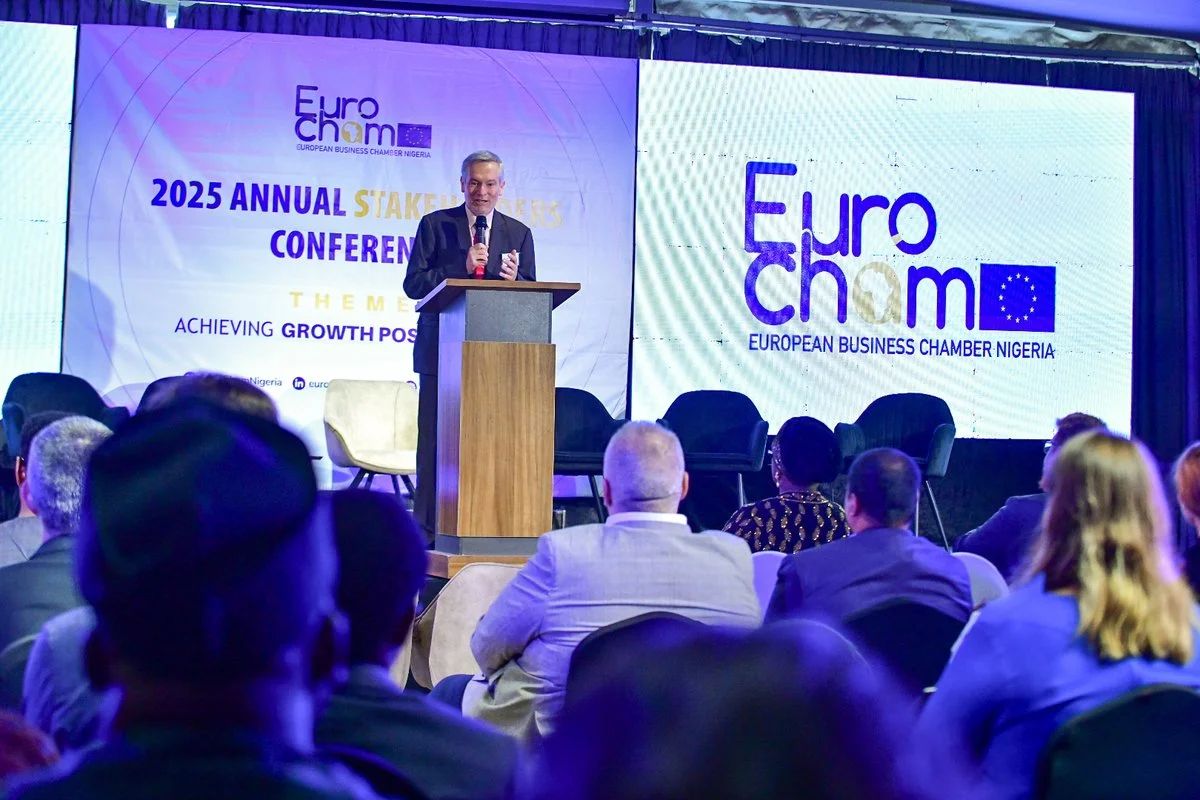
The EU confirms Nigeria’s position as a top beneficiary during a Lagos media briefing led by Massimo De Luca. This initiative forms part of the EU’s broader €300 billion Global Gateway strategy.
Half of the funding is dedicated to Africa, while the remainder is split between Latin America and Asia. The EU deploys significant funds in Nigerian projects, focusing on digital, energy, and transport sectors.
Unlike traditional aid models, Global Gateway prioritizes loans and equity investments to ensure long-term viability. De Luca emphasizes the shift from grants to sustainable finance, requiring every project to attract private or public investors.
The European Chamber of Commerce (EuroCham) aggregates European firms to identify priority ventures. Digital transformation anchors Nigeria’s agenda, with the EU backing Minister Bosun Tijani’s plan to lay fiber-optic cables.
A digital package blends grants and loans to expand connectivity, e-governance, and skills. Private firms fund the fiber rollout through a government-led special purpose vehicle.
EU’s Strategic Investment in Nigeria
The EU supports Nigeria’s “3 Million Technical Talents” program, aiming to certify youths via partnerships with German agency GIZ and Lagos’s NitHub tech center. Energy and health sectors gain traction through a significant package.
The European Investment Bank issues funds to Access Bank for female entrepreneurs and to Emzor Pharma for malaria drug production. Another framework loan targets solar mini-grids and rural infrastructure.
Critics note the €150 billion African pledge relies on repurposed EU budgets and private capital. De Luca defends the model: “Finance ensures accountability—it’s not charity but mutual growth”.
With Nigeria’s infrastructure deficit impacting its economy, the EU’s pivot to strategic investments could reshape development dynamics.
Success hinges on navigating bureaucracy and corruption—persistent hurdles for foreign capital in Africa’s largest economy. De Luca notes, “Global Gateway isn’t just about building roads. It’s about wiring economies for the future”.
More: Nigeria news in English, every day from The Rio Times.
This article was produced by The Rio Times’ automated newsroom system. How we use AI · Report an error · Editorial responsibility: Matthias Camenzind, Editor-in-Chief
Part of our ongoing coverage
Africa: The New Scramble — the great-power contest over the continent.