Navigating Saied’s Tunisia: The Road to the 2024 Election
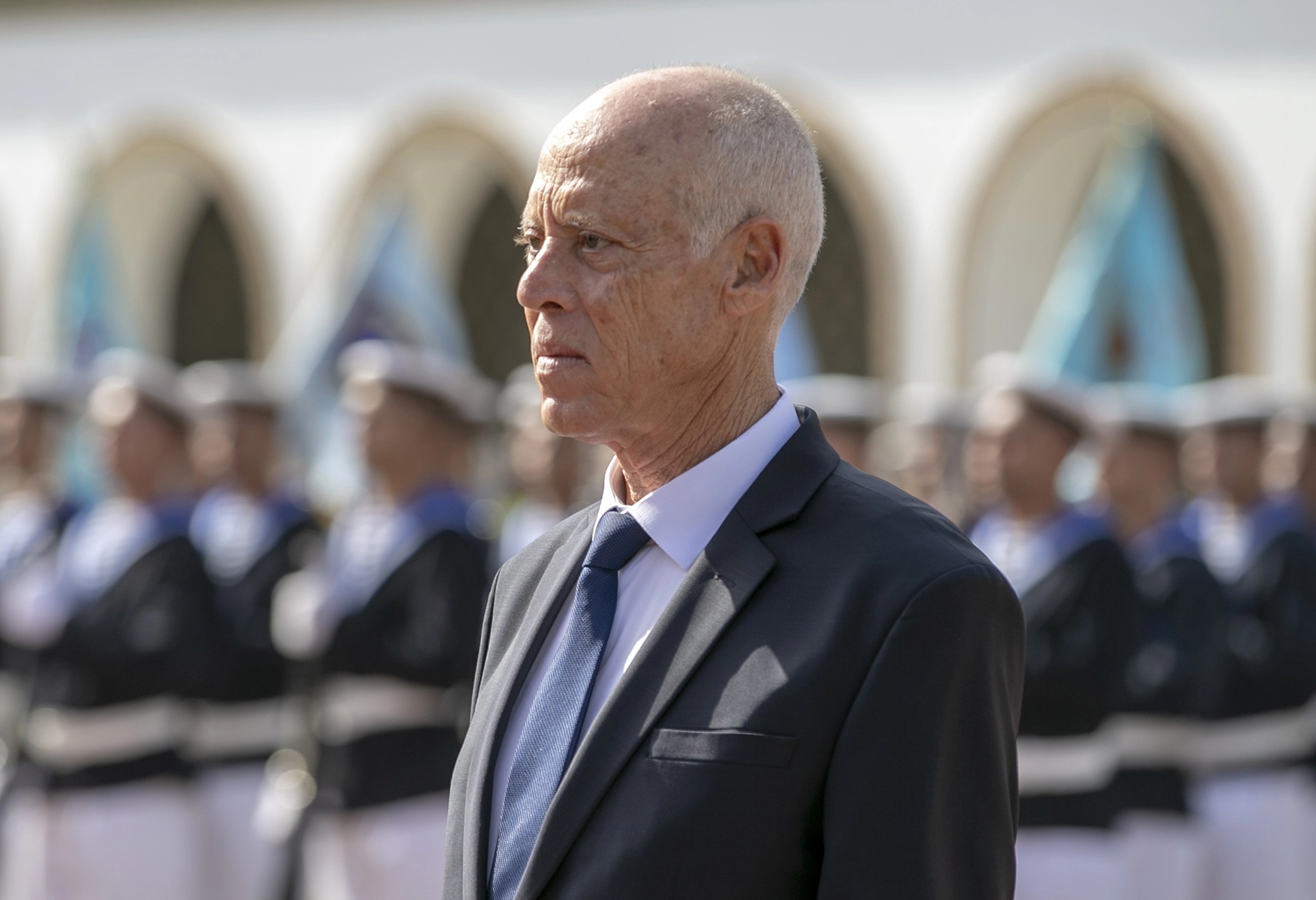
In October 2024, Tunisia confronts a decisive election with President Kais Saied aiming for re-election.
Since his 2019 ascent to power, Saied has enacted measures to consolidate power, like dissolving parliament and ruling unilaterally.
He defends these steps as crucial for stability and anti-corruption efforts. However, these actions raise concerns about a shift toward the autocratic rule seen in pre-2011 Tunisia.
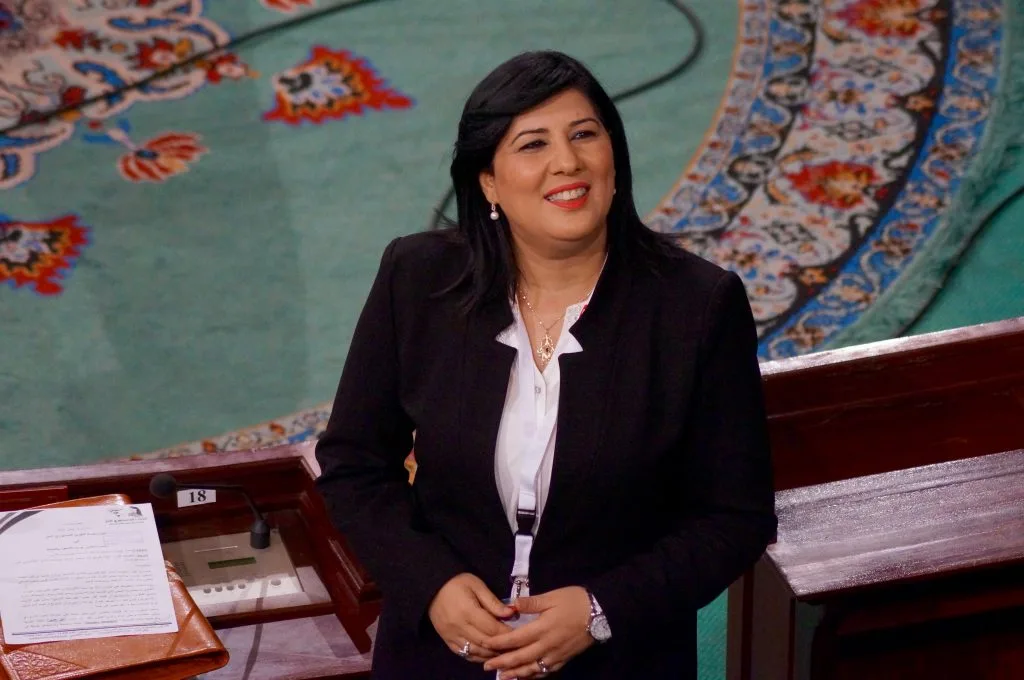
The country’s political climate is increasingly repressive. Opposition figures, notably Abir Moussi, battle legal issues perceived as efforts to quell dissent.
Moussi, head of the Free Destourian Party, opposes political Islam and champions secular policies initiated by Tunisia’s first President, Habib Bourguiba.
Economically, Tunisia grapples with severe inflation, high unemployment, and shortages, worsened by global events like the COVID-19 pandemic and the Ukraine conflict.
There’s a marked erosion of democratic freedoms. Recent laws penalize what is considered misinformation or insults to the state, heavily curtailing free speech.
Such measures backtrack on the democratic progress initiated by the Arab Spring, amid growing public dissatisfaction and falling voter engagement.
Navigating Saied’s Tunisia: The Road to the 2024 Election
There is a strong push for democratic reforms, stressing the need for a constitutional court and prompt municipal elections to reestablish democratic norms.
Meanwhile, Saied has achieved milestones that could enhance his campaign. His diplomacy, particularly concerning Libya, seeks to elevate Tunisia’s regional stature.
Importantly, he appointed Najla Bouden as the first female prime minister in the Arab world, highlighting his dedication to gender equality in politics.
Furthermore, he instituted a “super-presidential” system, overhauling Tunisia’s political structure.
As the election approaches, the choices made by Tunisia’s leaders and global observers will critically shape the nation’s path.
These decisions will test if Tunisia can revive its democratic path and tackle its socio-economic challenges.
The upcoming election will gauge Tunisia’s political durability and its commitment to democratic ideals during an era of increasing authoritarian tendencies.
This article was produced by The Rio Times’ automated newsroom system. How we use AI · Report an error · Editorial responsibility: Matthias Camenzind, Editor-in-Chief