Namibians Who Fled South Africa’s Anti-Migrant Violence Want to Go Back
Namibia · South Africa · Migration
Key Facts
- —The country Namibia, on South Africa’s north-western border, has about 3.1 million people, roughly the population of Wales. Its economy of about US$15 billion is less than a twentieth of South Africa’s.
- —Why it matters South Africa is the region’s jobs magnet. Namibia’s unemployment rate of 36.9% is among the world’s highest, its statistics agency says. Wages earned across the border feed many families.
- —Why now On 25 September, South African news site News24 reported that Namibians evacuated during this year’s anti-migrant unrest want to go back. Several returnees told Namibian papers the same in July.
- —What happened Namibia’s government evacuated 153 citizens from South Africa in July, News24 reported. The first group of 72 arrived home on Sunday 12 July.
- —The numbers More than 160,000 foreign nationals left South Africa in two months, an AFP (Agence France-Presse) tally found in July. Most were Zimbabweans and Malawians.
- —What it means for you Farms, factories and households in South Africa lost foreign workers fast. Employers and investors there should expect labour gaps and tighter immigration checks to continue.
- —Still open Whether returnees can go back legally. Many worked without papers, and Namibia says it will judge any further help case by case.
Namibia brought its citizens home from South Africa’s anti-migrant violence in July. Many now want to go back, because the work is there and not at home.
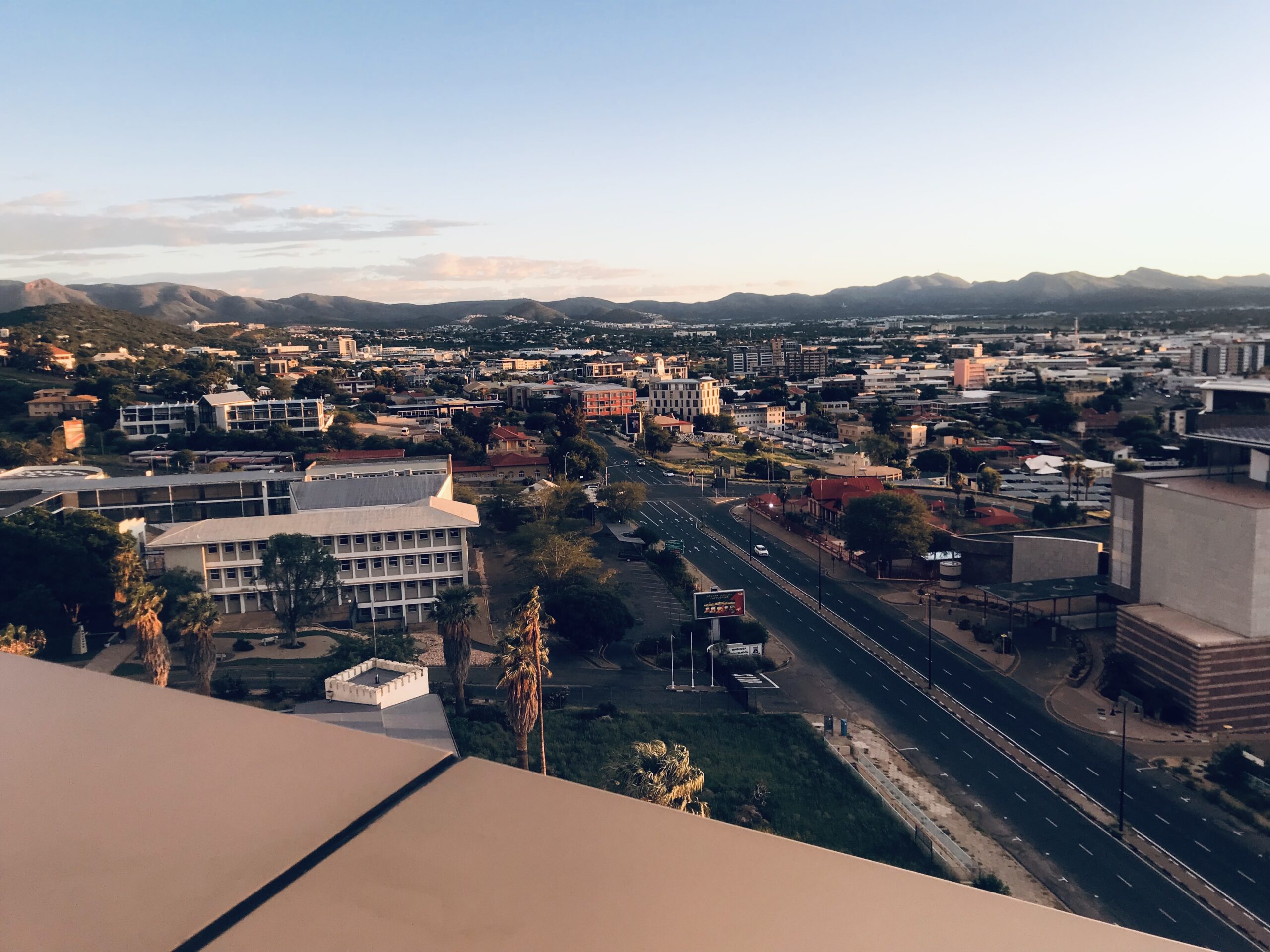
Namibia is a thinly populated desert nation on South Africa’s north-western border. Many repatriated Namibians who fled anti-migrant violence in South Africa this year now say they want to return there.
News24, a South African news site, reported the wish to go back on 25 September. The pull is simple: South Africa, the region’s largest economy, pays wages that many cannot earn at home.
The repatriation wave
Namibia’s government evacuated 153 citizens from South Africa in July, according to News24. The first group of 72 arrived on Sunday 12 July, many reaching the northern town of Oshakati the next day.
By 1 July, more than 100 Namibians had asked their High Commission (embassy) in Pretoria for help to leave, The Namibian reported. Both legal and undocumented residents were on the list.
The trigger was a campaign by anti-migrant groups such as March and March. They had given undocumented foreigners until 30 June to leave South Africa.
What the returnees faced
Protests in several cities turned violent in the weeks around that deadline. At least four migrants were killed, according to AFP, though some foreign governments put the toll higher.
Returnees described homes looted and set alight. “They burned my house down and everything that I had,” Monika Amwele, from the Oshana region, told Namibian reporters.
Wilpartina Namukanda, 37, had worked on a grape farm in Vredendal, in South Africa’s Western Cape, for two years. She came home with her 11-month-old daughter and little else.
Why they want to go back
“There are no jobs for us in Namibia,” Namukanda told the state-owned daily New Era in July. “In South Africa we were getting paid every week or every two weeks.”
She added that her South African employers were unhappy to lose her. They told her many local people do not want to do farm work of that kind.
The numbers explain the choice. Namibia’s unemployment rate was 36.9% of the labour force in 2023, one of the world’s highest, according to the Namibia Statistics Agency.
Many repatriated Namibians worked in domestic service, agriculture and hairdressing, mostly in the Western Cape. Some say they would stay in Namibia if they found a job there.
How Windhoek has responded
Home affairs and immigration minister Lucia Iipumbu said many returnees had faced “economic hardship and other vulnerabilities” in South Africa. She urged citizens seeking work abroad to use lawful channels.
The foreign ministry said it would assess any future requests for help case by case. An official said it would be “premature to speculate about hypothetical future scenarios”.
Oshana governor Hofni Iipinge urged returnees to seek microloans and state business schemes. Opposition figure Rodney Cloete, of the Independent Patriots for Change, said the government needs proper contingency funding for future evacuations.
The wider exodus
Namibians were a small part of a much larger departure. More than 160,000 foreign nationals left South Africa over two months, an AFP tally of figures from home governments found in July.
South Africa’s own count was lower but still large. Justice minister Mmamoloko Kubayi said 53,449 foreign nationals had been processed for deportation or voluntary repatriation by 11 July.
About 80% of those were Malawians, followed by Zimbabweans and Mozambicans. Farms, factories and households have since reported shortages of workers.
What South Africa’s president said
President Cyril Ramaphosa addressed the attacks at a public lecture during a regional summit in Durban in August. “As South Africans, we are deeply concerned and ashamed,” he said.
He spoke at a gathering of the Southern African Development Community (SADC), a 16-nation regional bloc. “We cannot preach inclusion at summits while practising exclusion in our streets,” he added.
This sits inside a wider contest for influence and stability across the continent, covered in Africa: The New Scramble.
What to watch next
The key question is whether repatriated Namibians can return to South Africa legally. Many worked there without papers, and Pretoria is now deporting more people than before.
For employers and investors in South Africa, the episode shows how much of the workforce crosses borders. For Namibia, it shows how few jobs await those who come home.
Frequently Asked Questions
Why did Namibians leave South Africa in 2026?
Anti-migrant groups set a 30 June deadline for undocumented foreigners to leave. Protests turned violent, and homes of migrants were looted and burned.
How many Namibians were brought home?
Namibia evacuated 153 citizens in July, News24 reported. The first group of 72 arrived on 12 July.
Why do the returnees want to go back?
The repatriated Namibians interviewed say South Africa pays weekly or fortnightly wages, while jobs are scarce at home. Namibia’s unemployment rate is 36.9%, the national statistics agency says.
Can they return legally?
Many worked in South Africa without papers. South Africa has stepped up deportations, so returning without documents carries a real risk of removal.
Connected Coverage
Sources
- news24.com
- neweralive.na
- allafrica.com (The Namibian)
- allafrica.com (New Era)
- namibian.com.na
- namibian.com.na
- namibian.com.na
- trtafrika.com
- france24.com (AFP)
- citizen.co.za
- nsa.org.na (Namibia Statistics Agency)
This article was produced by The Rio Times’ automated newsroom system. How we use AI · Report an error
LatAm Markets: Live Signals → — real-time movers, turnover leaders and FX across Latin America.
Read More from The Rio Times