Apple recently announced its strategic move to integrate ChatGPT into its iPhone technology, a significant step in enhancing user interaction through advanced AI tools.
This initiative, known as SiriGPT, combines Siri’s capabilities with OpenAI’s powerful ChatGPT, DALL·E, and Whisper, supporting multiple languages to ensure global accessibility.
The ChatGPT app for iOS, already available, syncs histories across devices and utilizes Whisper for voice input.
Exclusively for ChatGPT Plus subscribers, the app offers GPT-4’s advanced features, promising quicker interactions and early access to upcoming enhancements.
Reports suggest Apple is nearing the finalization of its partnership with OpenAI, anticipated to launch alongside iOS 18.
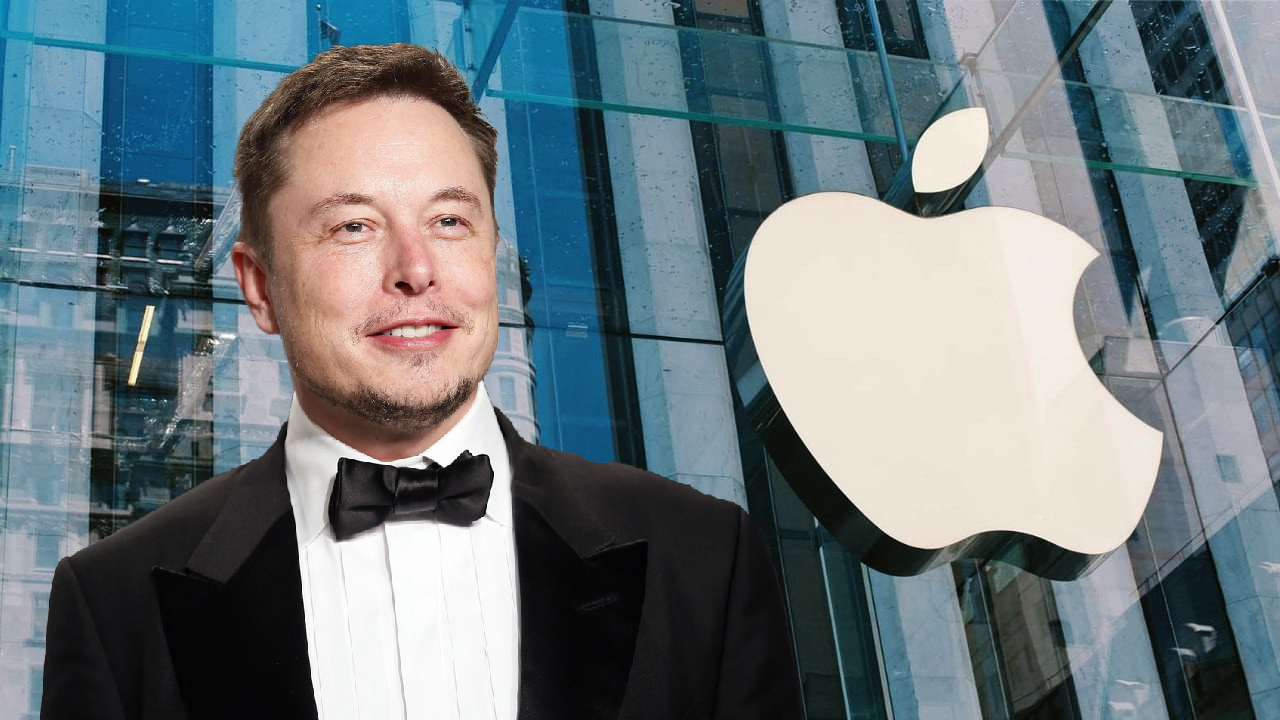
This update may also include other AI technologies, such as Alphabet’s Gemini chatbot, indicating a broader AI integration strategy.
Meanwhile, Elon Musk, CEO of Tesla, has expressed security concerns about Apple’s deep integration of OpenAI.
He threatened to ban Apple devices within his companies if they integrated OpenAI at the operating system level.
According to Musk, such integration poses an unacceptable security risk, and he plans to store visitor Apple devices in Faraday cages to block electronic signals.
Apple counters security concerns by stating that its AI was developed with privacy as a core principle. The company employs both on-device processing and cloud computing to power its features.
This partnership underscores Apple’s commitment to innovation and marks a shift towards embedding sophisticated AI into its core product offerings.
The aim is to lead in the AI space with functionalities suited for both everyday and professional use.
This article was produced by The Rio Times’ automated newsroom system. How we use AI · Report an error
Read More from The Rio Times