Ghana Mobile Money Firm Warns of Scam Calls
Ghana's mobile money operators say deception, not hacking, drives most fraud, and central bank figures show the cases multiplying while the sums at risk stay small.

Ghana: Fintech
A senior manager at Mobile Money FinTech Limited, which runs MTN's mobile money service in Ghana (MTN is a South Africa-based telecoms group), urged customers on Thursday 26 November 2026 to guard against fraudulent calls and messages before the festive season. Judith Adumua-Bossman, Senior Manager for Payments at Mobile Money FinTech Limited, spoke in Accra on the sidelines of the launch of Ecobank Rapid Transfer, a money-transfer service from the bank Ecobank.
She said the company is stepping up public education through its "Shine Your Eye" customer-awareness campaign. She gave no case figures, so the clearest numbers come from the central bank, and they show a steep rise in small fraud cases on payment platforms.
Key Facts
- Who. Judith Adumua-Bossman of Mobile Money FinTech Limited, which runs MTN's mobile money in Ghana
- What. Warned of scam calls, mostly social engineering (tricking people into revealing PINs), before the festive season
- Where and when. Accra, Thursday 26 November 2026
- Data. Payment-firm fraud cases rose 54% in 2025; total value at risk rose only 2%
- As of. 26 November 2026, 09:30 GMT
Ghana's mobile money operators say deception, not hacking, drives most fraud, and central bank figures show the cases multiplying while the sums at risk stay small.
Mobile money lets people store and send cash from a wallet on their phone, and MoMo is MTN's version in Ghana. Adumua-Bossman said: "Most of the fraud cases that we've picked up are as a result of social engineering."
Social engineering means tricking a person into handing over a PIN or approving a payment, rather than hacking a system. Scammers, she said, rely on deception to manipulate customers, and she warned especially against unsolicited calls from people claiming to facilitate or confirm incoming transfers.
Her advice was plain: "When you receive that call, and you know that nobody's sending you money from abroad, you just need to be cautious." The company has not given case numbers or loss figures for MoMo, and these remarks have appeared in only one Ghanaian news report so far.
The company said the same in its white paper "Uniting Against Digital Fraud", dated April 2026 and posted on its Ghana website. It states: "Social engineering remains the most prevalent fraud vector, relying on deception rather than technical intrusion."
The paper adds that fraudsters impersonate trusted institutions or authority figures. It also names SIM swap fraud, where criminals take over a victim's phone number, and account takeover, where criminals seize control of a customer's wallet, as routes into wallets.
On Saturday 17 October 2026 Moses Tetteh, Senior Manager for Financial Crimes at the same company, described the method at a banking roundtable at the Accra head office of the bank Absa. He said fraudsters call the customer and "use either trust, fear, or a story to bring out greed".
Tetteh also said: "The first line of defence when it comes to any security system is access control, which is in the hands of the customer." He added that fighting fraud is a shared responsibility of operators, customers and agents.
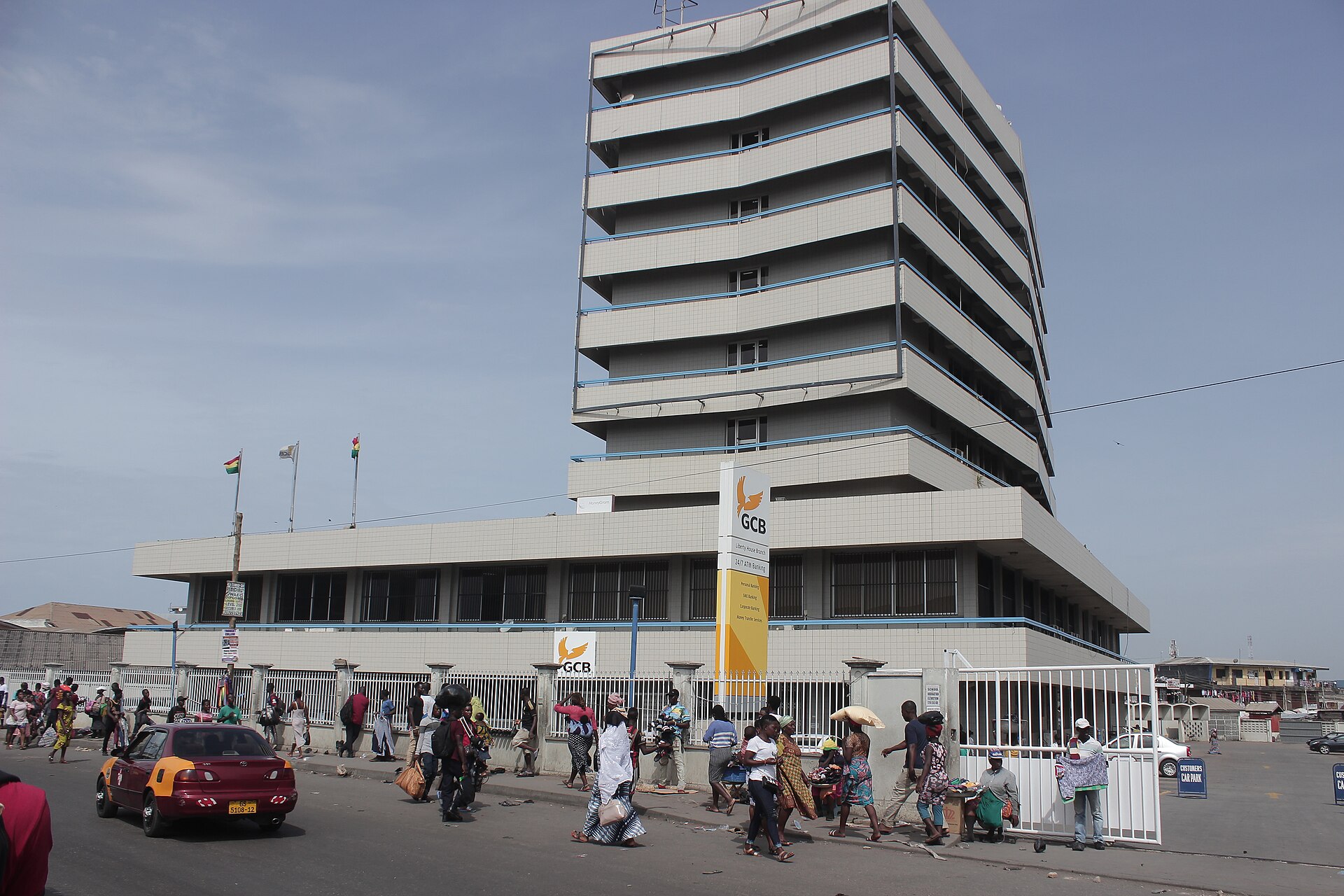
The Bank of Ghana, the central bank, published its Banks, SDIs and PSPs 2025 Fraud Report in July 2026. PSPs are payment service providers, meaning mobile money and electronic payment firms, and SDIs are specialised deposit-taking institutions.
Across all three groups, fraud cases rose from 16,733 in 2024 to 24,778 in 2025, an increase of 48%. Cases at payment providers rose from 15,673 to 24,124, up 54%, which puts them at 97.4% of all cases in 2025.
The report says: "Fraud activity has therefore progressively migrated towards the PSP sector, closely correlating with rapid growth in transaction volumes and relatively lower levels of digital literacy among users." It attributes the rise in payment-provider numbers to "the shift to digital channels".
The same report shows that the money at risk barely moved. Total value at risk, in Ghanaian cedis (GH¢), rose only from GH¢99 million (about US$8.3 million) to GH¢101 million (about US$8.5 million), converted at the 25 November 2026 market close of GH¢11.87 per US dollar.
Bank cases fell from 716 to 472, and bank value at risk fell from GH¢75 million (about US$6.3 million) to GH¢57 million (about US$4.8 million). The growth is therefore in the number of small cases, not in big losses.
Value at risk at payment providers nearly doubled, from GH¢19 million (about US$1.6 million) to GH¢37 million (about US$3.1 million). Dividing by the case count gives an average of about GH¢1,212 (about US$102) per case in 2024 and about GH¢1,534 (about US$129) in 2025, approximate because the report rounds to the million.
INTERPOL, the international police organisation, said in its African Cyberthreat Assessment Report 2026 that mobile money fraud "emerged as the most prevalent scam, reported by 97 per cent of countries who responded to the INTERPOL member country survey". The report adds that Ghanaian citizens lost USD 1.3 million in the first quarter of 2025, and that SIM swap attacks drain mobile wallets.
The central bank report does not name MTN or any other provider, and it does not split payment-provider fraud by social engineering. The 2026 figures are not yet published, and no release date has been found.
Readers in the United States have a stake in two ways. Investors who follow African fintech weigh fraud as a cost of customer trust, and families who send money home are the very story scammers use when they claim a transfer is coming from abroad.
No independent consumer or expert voice was available for this story. The company's own words and the central bank's figures are the only public record so far.
Frequently Asked Questions
What is social engineering?
It means tricking a person into handing over a PIN or approving a payment, rather than hacking a system. The company says it is behind most of the fraud it has picked up.
Does the central bank blame MTN?
No. Its report covers payment providers as a group and does not name MTN or split cases by method.
Are losses growing as fast as the number of cases?
No. Cases are growing far faster than the total value at risk, so the rise is in small scams.
Sources: Bank of Ghana, Banks, SDIs and PSPs 2025 Fraud Report (July 2026); INTERPOL, African Cyberthreat Assessment Report 2026; Mobile Money FinTech Limited, white paper Uniting Against Digital Fraud (dated April 2026).
Further reading: MTN Ghana denies staff role in mobile money fraud · Ghana opens mobile money link to Ivory Coast · Ghana news
This article was produced by The Rio Times’ automated AI newsroom. Editorial responsibility: Matthias Camenzind, Publisher and Editor-in-Chief. The Rio Times also runs Ask Rio Times, which answers from 100,000+ of our own articles, the daily Latin America Power Map, and prediction-market odds on elections and markets.. How we use AI · Report an error
Part of our ongoing coverage
Africa: The New Scramble — the great-power contest over the continent.