Ghana Opposition Demands Retail Law Action
Opposition lawmakers say Ghanaian traders have waited more than a decade for a retail law to be enforced, and they condemn Monday's violence in Kumasi.

Politics: Ghana
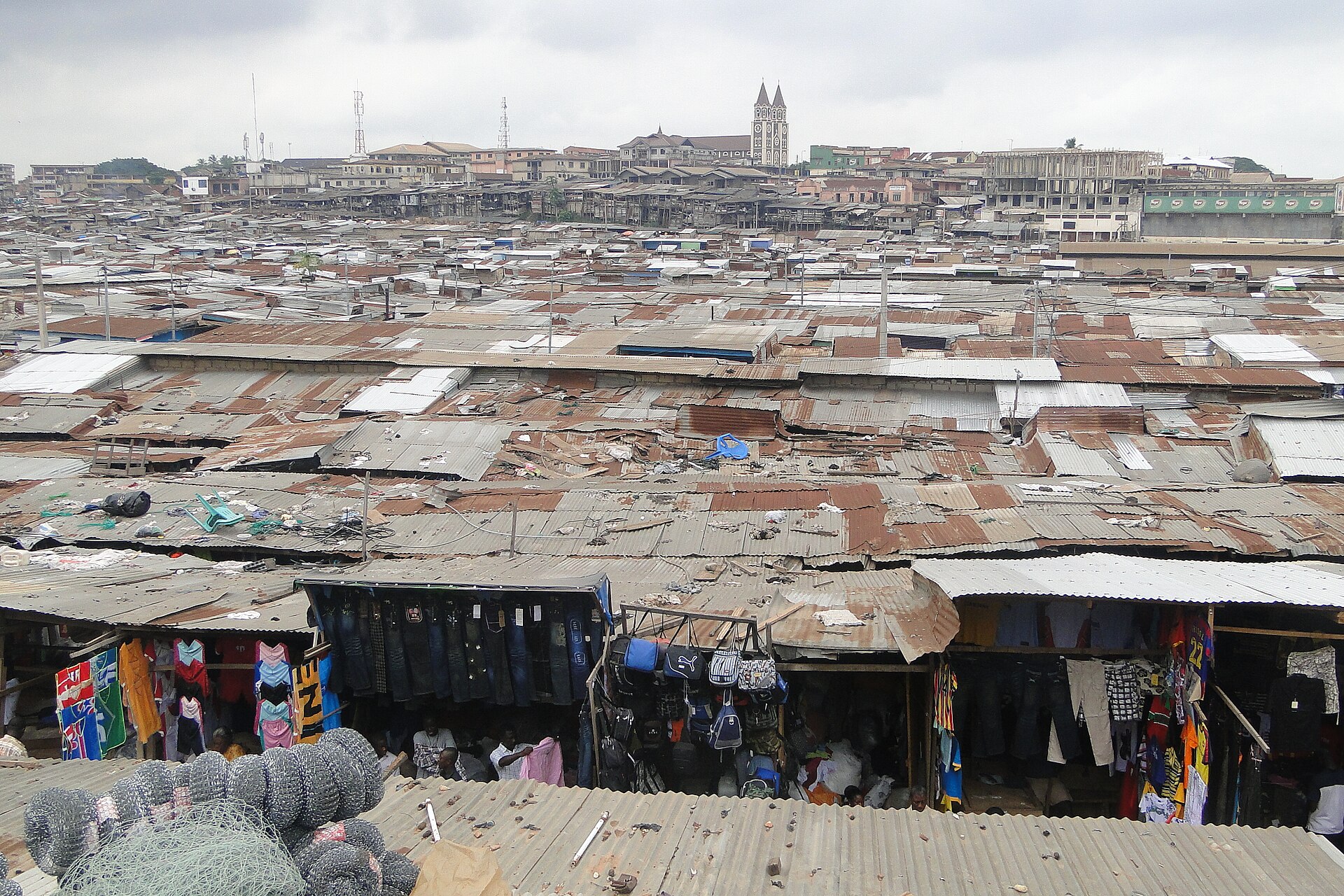
Ghana‘s opposition lawmakers demanded on Wednesday 25 November 2026 that the government enforce the law reserving retail trade for Ghanaians, two days after a protest turned violent at Suame Magazine. The district, a huge auto-repair and spare-parts enclave in Kumasi, Ghana’s second city, saw foreign traders attacked and their shops locked on Monday 23 November.
The lawmakers, known as the Minority, condemned the violence but said the traders’ frustration is justified. They put the blame for the confrontation on a state that, in their words, has not kept faith with its own law.
Key Facts
- Who. The Minority, Ghana’s opposition caucus in Parliament, speaking through Michael Okyere Baafi, its lead member on trade.
- What. It wants the retail-trade law enforced and condemns the violence and forced shop closures.
- Where. Suame Magazine, a vast auto-parts district in Kumasi, Ghana’s second city.
- When. Shops were locked on Monday 23 November 2026; the statement came two days later.
- As of 25 November 2026, 19:00 GMT.
Opposition lawmakers say Ghanaian traders have waited more than a decade for a retail law to be enforced, and they condemn Monday’s violence in Kumasi.
The trouble began when National Security summoned the Suame artisans over the attacks. Artisans at Suame Magazine wore red armbands on Monday and accused foreign spare-parts dealers, mainly Nigerians, of pricing that undercuts Ghanaian businesses.
Some protesters assaulted people they believed to be foreign traders, and videos show one man held by the neck and kicked to the ground. The artisans locked up at least 10 shops of foreign dealers and posted notices on the doors.
Police and National Security, Ghana’s state security coordination body, stepped in and restored calm. National Security then invited the artisans to a meeting on Tuesday 24 November.
The Minority says the grievance is old, because Ghanaian traders petitioned, protested and waited more than a decade for enforcement. In July 2026 Parliament again reserved market trading, petty trading and hawking for Ghanaians under the Ghana Investment Promotion Authority (GIPA) Act, the law that governs foreign participation in business.
According to the Minority’s statement, the government promised on 18 August 2026 to set up an inter-agency task force to enforce the rule. Three months later, the statement says, traders had seen little change.
The Minority adds that the Minister for Trade, Agribusiness and Industry can define “petty trading” and “stall” through a legislative instrument, a ministerial regulation laid before Parliament, but has not done so. In the statement signed by Michael Okyere Baafi, the opposition’s lead member on Parliament’s Trade, Industry and Tourism Committee, the result is stated plainly: “Ghanaian and foreign traders alike are left unsure where the line falls, and that uncertainty is what breeds confrontation.”
“They have kept faith with the law. The State has not kept faith with them,” the statement says of Ghanaian traders.
It then draws a line: “The Minority cannot, however, condone the assaults and forced closures of 23 November. Violence harms the traders’ own cause and puts Ghanaians at risk.”
Captain Kwame Jabari (retired), Ashanti Regional Coordinator of National Security, said on Tuesday 24 November that the Ghana Union of Traders Associations (GUTA), a body of Ghanaian traders, had decided to open the locked shops before noon. “So GUTA has decided on its own to open up the shops that they locked up yesterday before 12 o’clock,” he said.
Jabari added that security agencies will enforce the laws governing foreign participation in retail trade and urged artisans not to take the law into their own hands. That evening some artisans met security personnel with stiff resistance when they moved in to enforce the directive, and no reopening has been confirmed.
Anthony Oppong, Ashanti Regional Chairman of GUTA, said the man dragged in the viral video is Ghanaian, not Nigerian. He alleged that Ghanaians, that man among them, were hired by Nigerian traders to block the shop closures, a claim that has not been verified.
Oppong blamed differences in taxes and import duties for the cheaper Nigerian prices. He also alleged that some foreign traders sell fake or imitation goods, an allegation that has not been verified, and called for enforcement of the investment-promotion law, adding that the matter would be taken to national level.
This account rests on statements by the Minority, security officials and GUTA. The foreign traders themselves have not been quoted.
The Minority’s list of demands is long. It wants sustained enforcement by state agencies, beginning at Suame Magazine in Kumasi and the Abossey Okai and Kwame Nkrumah Circle trading districts in Accra, plus a legislative instrument laid before Parliament and action against landlords who rent out stalls unlawfully and people who act as fronts for foreign traders.
It also wants Customs, the border-tax authority, and the Ghana Standards Authority, the product-quality regulator, to investigate under-pricing and counterfeit spare parts and publish what they find. Local dealers, it says, need trade credit and pooled importing, and the government should publish what the task force has done since August.
On safety, the Minority asks for investigations into the incidents of 23 November and guarantees for all traders. It also asks the government to explain how the restrictions fit Ghana’s duties to ECOWAS, the West African bloc whose citizens have free-movement rights, and to engage with Nigeria.
The stakes reach beyond Kumasi, because Ghana hosts the Secretariat of the African Continental Free Trade Area (AfCFTA), the continent-wide trade pact, and the Minority says the continent will watch how it handles the dispute. For foreign investors weighing West African retail, a reserved sector that is on the books but unevenly enforced is a risk in itself.
A clear definition of petty trading, if the minister issues one, would at least give them a line they can plan around. The Minority’s statement carries no government reply.
It does not say whether anyone was arrested, how many shops were locked in total, or who the assaulted people are. Baafi said the Minority will file an urgent question for the Trade Minister, a formal demand for an answer in Parliament.
No date for the minister’s reply has been given.
Frequently Asked Questions
What is Suame Magazine?
It is a huge auto-repair and spare-parts district in Kumasi, Ghana’s second city. Ghanaian artisans and foreign dealers both trade there.
Does Ghana already restrict foreign retailers?
Yes, the GIPA Act reserves market trading, petty trading and hawking for Ghanaians. The dispute is about enforcement and definitions, not a new ban.
Why does this matter outside Ghana?
Ghana hosts the AfCFTA Secretariat and belongs to ECOWAS, so its treatment of Nigerian traders tests regional trade promises. Investors in West African retail will watch how clear and consistent the rules become.
Sources: Minority Caucus statement signed by Michael Okyere Baafi, 25 November 2026; National Security, Ashanti Region, statement, 24 November 2026; GUTA Ashanti Regional Chairman, 24 November 2026; Ghana Investment Promotion Authority (GIPA) Act.
This article was produced by The Rio Times’ automated AI newsroom. Editorial responsibility: Matthias Camenzind, Publisher and Editor-in-Chief. The Rio Times also runs Ask Rio Times, which answers from 100,000+ of our own articles, the daily Latin America Power Map, and prediction-market odds on elections and markets.. How we use AI · Report an error