Ghana Offers to Buy Back a Bond Early
Ghana is paying some holders of restructured bonds early, using money set aside in a dedicated fund. The test is how many accept the auction before it closes on 25 November.

Debt: Ghana
Ghana opened an early buyback of a government bond on Monday 23 November 2026, offering to repurchase up to GH¢28.58 billion (Ghana cedis, about US$2.4 billion) from holders. The offer closes on Wednesday 25 November, nearly three months before the bond falls due.
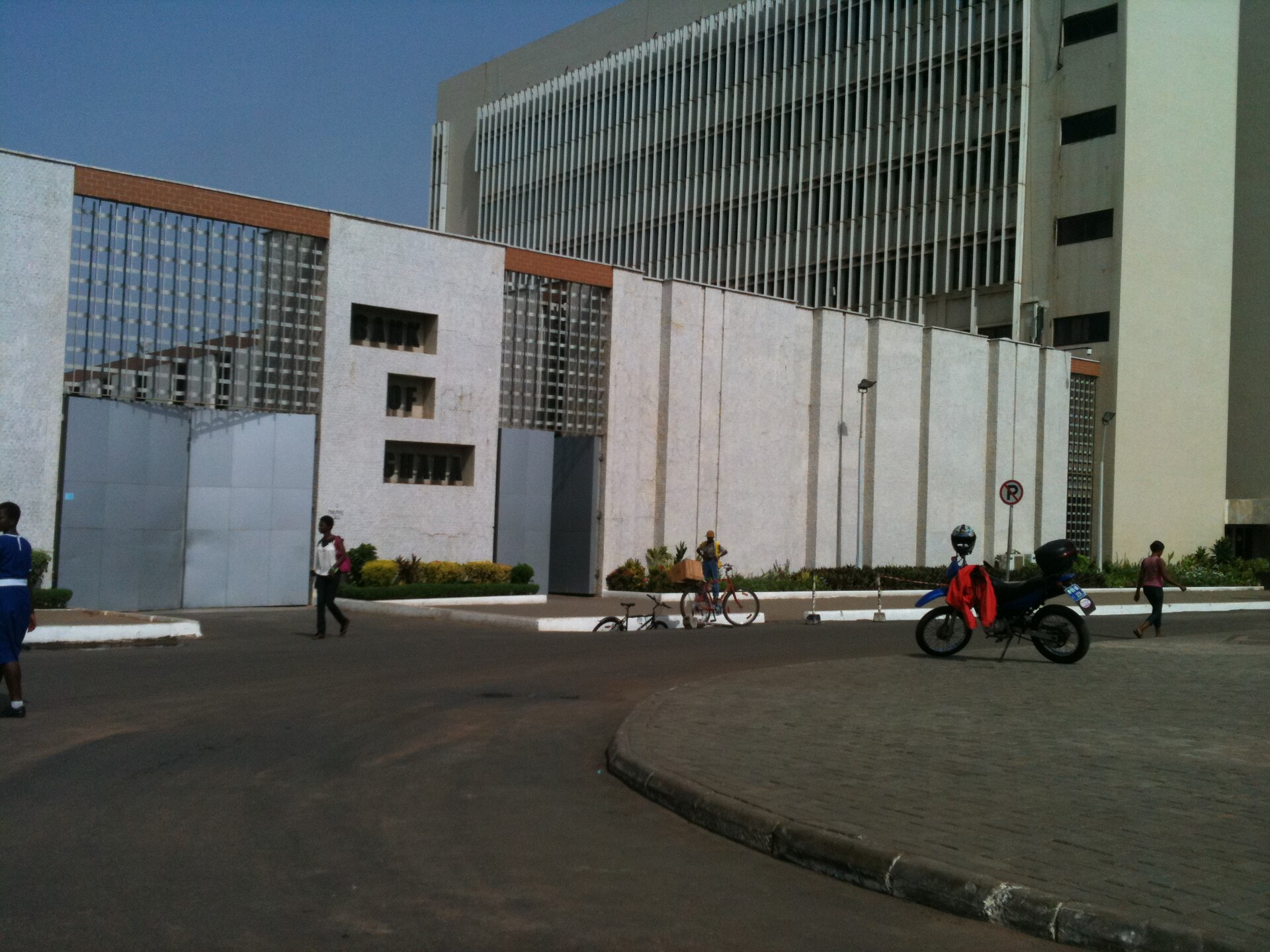
The Republic of Ghana, through the Bank of Ghana (the central bank, which runs the sale), announced the voluntary offer in Notice No. BG/FMD/2026/56 of 18 November 2026. It covers the 16 February 2027 bond and is open to all holders.
Key Facts
- Who. The Republic of Ghana, through its central bank, offers to repurchase one government bond from any holder.
- What. Up to GH¢28.58 billion (about US$2.4 billion) of the 16 February 2027 bond, bought on yield offers.
- When. Offer closes Wednesday 25 November 2026; settlement Thursday 26 November.
- Why. Cuts the February repayment bill; a ring-fenced fund already holds GH¢29 billion (about US$2.5 billion).
- As of. 23 November 2026, 07:30 GMT
Ghana is paying some holders of restructured bonds early, using money set aside in a dedicated fund. The test is how many accept the auction before it closes on 25 November.
The bond was issued in February 2023 under the Domestic Debt Exchange Programme (DDEP), the restructuring that followed Ghana’s 2022 default. A Bank of Ghana notice of 22 October 2026 said buybacks of the 2027 DDEP bonds made it necessary to fully operate the sinking fund.
Under the notice, holders submit offers as yields, and accepted offers clear at several levels rather than one price. The auction window runs from 9:00 a.m. to 3:00 p.m., and participation is voluntary, so holders may keep the bonds to maturity.
Settlement falls on Thursday 26 November 2026, about 12 weeks before the bond matures. Holders can tender through designated dealers (banks licensed to trade government bonds), including Absa, CalBank, Fidelity Bank, GCB Bank, Standard Chartered Bank, ARB Apex Bank, Société Générale and Stanbic Bank.
Dollar figures in this report use the RT market rate of 23 November (US$1 = GH¢11.73). The notice sets the ceiling at GH¢28.58 billion, while Ghana’s Finance Minister, Cassiel Ato Forson, puts the outstanding principal at about GH¢29 billion (about US$2.5 billion).
Forson told Parliament on Thursday 12 November 2026, in the 2027 Budget Statement, that the Cedi Sinking Fund held GH¢29 billion (about US$2.5 billion) on 11 November. A sinking fund is a ring-fenced savings pot for repaying debt, and this one covers the full February principal, Graphic Online, a Ghanaian news site, reported the same day.
Forson addressed bondholders directly in that speech, Graphic Online reported. He told those whose bonds fall due on 16 February 2027: “hear me clearly, your cash is ready.”
He added: “Come for your money.” The full February payment is GH¢40.1 billion (about US$3.4 billion), made up of GH¢29 billion (about US$2.5 billion) of principal and GH¢11.1 billion (about US$0.95 billion) of interest, according to the budget statement.
A further GH¢12.5 billion (about US$1.1 billion) falls due in August 2027. Forson said the government plans to settle the GH¢29 billion principal, and a US$590 million Eurobond (a dollar bond held by international investors) due on 2 January 2027, before 31 December 2026.
Together that would clear about GH¢36 billion (about US$3.1 billion) early, after Accra paid off a US$700 million Eurobond ahead of time in July. The dollar sinking fund held about US$480 million on 11 November, with a target of about US$600 million by December, Forson told Parliament.
Another US$580 million Eurobond falls due on 2 July 2027. The budget puts Ghana’s debt at 47.5% of gross domestic product, or GH¢759.3 billion (about US$64.7 billion), at the end of October 2026.
Graphic Online reported that Forson described the early repayments as part of restoring investor confidence and avoiding a return to the 2022 restructuring. An early buyback lowers the repayment wall Ghana faces in 2027, because bonds retired now no longer fall due in February.
The notice sets the yield basis but, as listed by the central bank, gives no price range. It is not yet known how many holders will tender before the offer closes on Wednesday 25 November 2026.
Settlement on 26 November will show how much of the February repayment has been cleared.
Frequently Asked Questions
Do bondholders have to sell?
No, the offer is voluntary, and holders may keep the bonds until they mature in February. Those who stay in receive the February payment that the Finance Minister says is already funded.
How does the auction work?
Holders submit offers as yields, and accepted offers clear at several levels rather than a single price. The buyback ends when the target amount is reached.
Why does this matter outside Ghana?
Ghana is testing whether it can manage its debt after the 2022 default. The result shows how much of the February repayment has already been cleared.
Sources: Bank of Ghana, Notice No. BG/FMD/2026/56 (18 November 2026); Bank of Ghana, Notice No. 51 (22 October 2026); Ghana Ministry of Finance, 2027 Budget Statement, 12 November 2026; Graphic Online, 12 November 2026.
This article was produced by The Rio Times’ automated AI newsroom. Editorial responsibility: Matthias Camenzind, Publisher and Editor-in-Chief. The Rio Times also runs Ask Rio Times, which answers from 100,000+ of our own articles, the daily Latin America Power Map, and prediction-market odds on elections and markets.. How we use AI · Report an error
LatAm Markets: Live Signals → — real-time movers, turnover leaders and FX across Latin America.