Mozambique Backs US$100M Quelimane Port Plan
A dormant port in central Mozambique is set to return under a state-backed partnership, with a first phase of about US$58 million announced by the government.

Mozambique · Ports
Mozambique’s Council of Ministers, the Cabinet, approved on Tuesday 24 November 2026 the terms for a concession of the port of Quelimane in Zambézia province, central Mozambique. The concession goes to a company formed by CFM (Portos e Caminhos de Ferro de Moçambique, the state-owned ports and railways company) and its partners.
The port has been inactive since 2017, the government says, so the plan would end nine years of idleness. Ministers want it to ease congestion at the Port of Beira, a larger port in the same central region, and to speed supplies to Malawi, a landlocked neighbour.
Key Facts
- Who. Mozambique’s Council of Ministers (the Cabinet) and CFM, the state-owned ports and railways company.
- What. Terms approved for a public-private concession to rebuild, run and dredge Quelimane port.
- Money. Planned investment exceeds US$100 million, in two phases.
- Where. Quelimane, Zambézia province, central Mozambique.
- As of. 25 November 2026, 08:39 GMT.
A dormant port in central Mozambique is set to return under a state-backed partnership, with a first phase of about US$58 million announced by the government.
In August 2022 CFM chairman Miguel Matabele said the company had invested about US$2.75 million to rehabilitate the port and dredge the approach channel, although the government now says the port has been idle since 2017. CFM then put capacity at about 650,000 tonnes of cargo a year, with a quay 230 metres long.
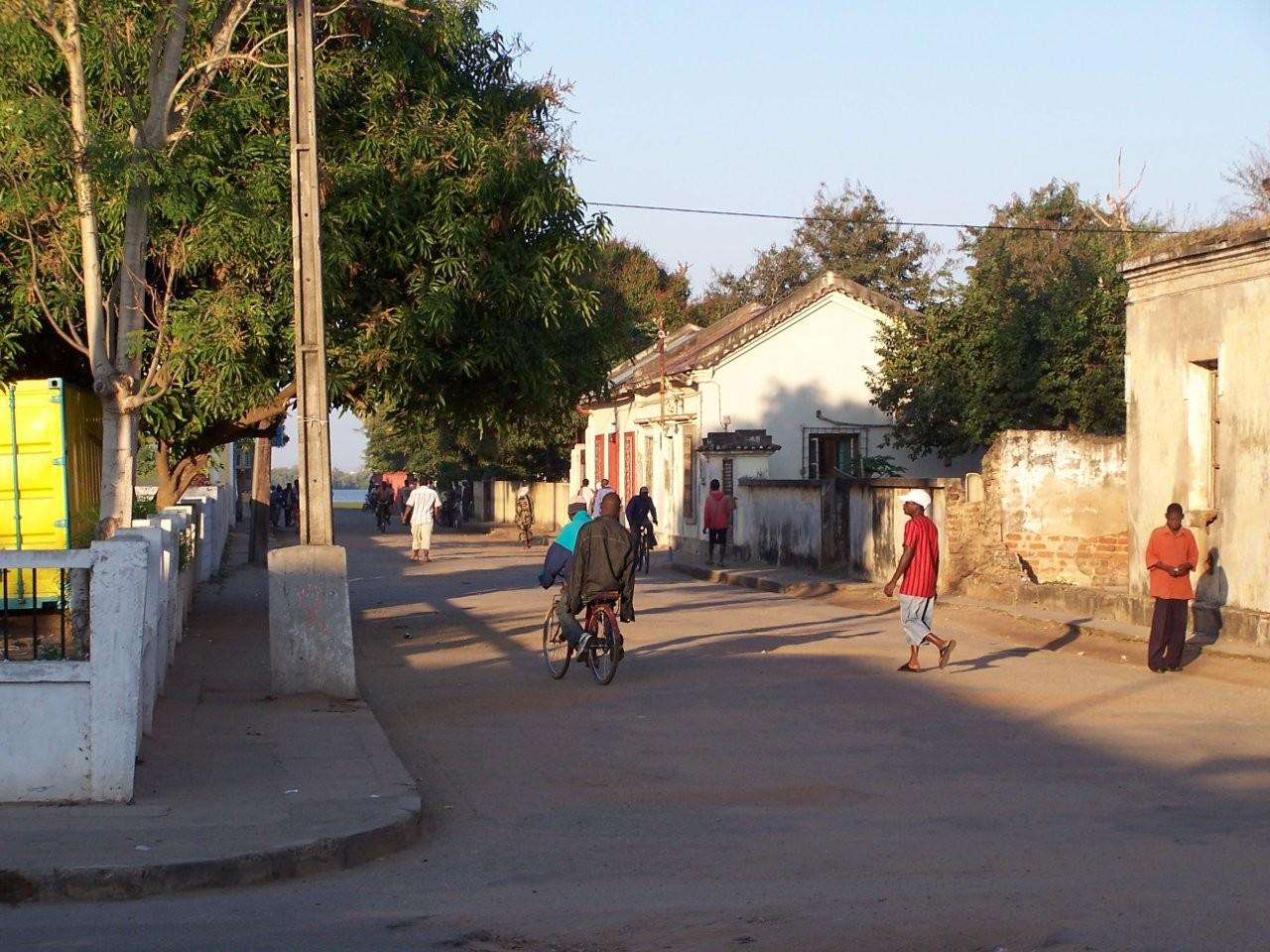
In May 2026 the Council of Ministers authorised direct negotiations for a concession of Quelimane port infrastructure, to improve the reception and distribution of fuels. On 3 July 2026 Transport and Logistics Minister João Matlombe said a fuel terminal at the port would cost more than US$84 million.
Matlombe said the terminal would be funded by the concessionaires: CFM, the Roads Fund, a state road-maintenance agency, and a company called Union, whose role the ministry did not describe. He said works could start this year and that it should cut logistics costs by 50% and supply fuel to Malawi.
On 24 November the Council approved the terms of the concession itself. The concessionaire will design, finance, build, own, operate, manage, rehabilitate and maintain the port infrastructure and exploit the facilities commercially, and at the end of the contract the infrastructure returns to the State.
The project covers rehabilitation of the existing quays, modernisation of port infrastructure and dredging to deepen the navigation channel. Government spokesperson Inocêncio Impissa gave the purpose after the session, in words translated from Portuguese.
“The measure aims to reactivate this strategic asset, which has been inactive since 2017, and ease congestion at the Port of Beira, reducing logistics costs and ensuring supplies to Zambézia, the domestic market and neighbouring countries, particularly Malawi.” Asked about financing, Impissa said at the press briefing on 24 November that the planned investment exceeds US$100 million, in two phases.
The first phase, worth about US$58 million, covers construction and rehabilitation of port infrastructure and clearing and deepening the access channels. The government has not said whether the US$84 million fuel terminal is part of the US$100 million figure.
The information the government released after the session gave no value, no length for the concession, no works timetable and no operating targets. It did not name CFM’s partners, and how the investment will be financed has not been stated.
The same session approved the concession of the Dondo Logistics Terminal in Sofala province. It also approved preparing negotiations for an offshore oil terminal and a modular refinery complex at Beira.
Malawi is landlocked, so its fuel and cargo must cross a neighbour’s territory and ports. In August 2024 Mozambique agreed to lease part of Nacala port, in the north, to Malawi, and Malawi has had fuel shortages in November 2026.
For US readers, the corridor from Mozambique’s ports to Malawi matters to buyers and aid shippers who move cargo that way. Beira’s congestion is the government’s own word, and no figure was given at the briefing.
The approval opens the way for a concession contract and does not itself start works, and no official has given a date for either. The next step to look for is the naming of CFM’s partners and the contract itself.
Frequently Asked Questions
Why does Quelimane port matter?
It is an idle port that the government wants back in use to relieve Beira and supply Malawi. A working second port in the centre of the country would give cargo owners another route.
Who will run the port?
A company formed by CFM and its partners, under a public-private partnership. The partners have not been named.
Is the money secured?
The government has given an investment figure but has not said how it will be financed. The information released after the session carried no value; the spokesperson gave the figure at the briefing.
Sources
Council of Ministers announcement of its 34th Ordinary Session, 24 November 2026; press briefing by government spokesperson Inocêncio Impissa, 24 November 2026; Council of Ministers communiqué of 2017; CFM statement of August 2022; Transport and Logistics Ministry statement of 3 July 2026.
This article was produced by The Rio Times’ automated AI newsroom. Editorial responsibility: Matthias Camenzind, Publisher and Editor-in-Chief. The Rio Times also runs Ask Rio Times, which answers from 100,000+ of our own articles, the daily Latin America Power Map, and prediction-market odds on elections and markets.. How we use AI · Report an error