IBOV 188,268.59 ▲ 1.42% IPSA 11,300.24 ▼ 0.62% IPC MEX 64,479.96 ▼ 0.52% MERVAL 3,142,643 ▲ 1.04% COLCAP 2,600.18 ▲ 0.63% BVL PERÚ 60,702.89 ▼ 2.17% USD/BRL5.11▼ 0.05% USD/MXN16.99▲ 0.54% USD/CLP940.57▲ 1.39% USD/COP3,081▼ 1.14% USD/PEN3.35▼ 0.16% USD/ARS1,513▼ 0.08% USD/UYU40.24▲ 3.05% USD/PYG5,868▲ 2.26% USD/BOB12.36▲ 1.91% USD/DOP58.60▲ 0.17% USD/CRC447.58▲ 1.69% USD/GTQ7.63▲ 3.04% USD/HNL26.85▲ 0.57% USD/NIO36.62▲ 0.34% USD/VES825.67▼ 0.13% USD/PAB1.00— 0.00% USD/BZD2.00— 0.00% USD/JMD 157.28 — 0.00% USD/TTD6.73▲ 2.40% EUR/BRL5.93▲ 0.33% BRENT 88.88 ▼ 0.03% WTI 83.11 ▼ 0.11% IRON ORE 161.91 — — COPPER 6.61 ▲ 0.03% GOLD 4,461 ▲ 1.78% SILVER 65.59 ▲ 1.26% SOY 1,184 ▲ 3.20% CORN 480.50 ▲ 10.02% WHEAT 655.00 ▲ 3.93% COFFEE 317.25 ▼ 5.51% SUGAR 16.43 ▼ 1.79% ORANGE JUICE 138.55 ▼ 0.47% COTTON 85.03 ▲ 2.33% COCOA 5,719 ▲ 3.18% BEEF 223.60 ▼ 3.93% CATTLE 339.10 ▼ 3.16% LITHIUM 75.20 ▲ 1.47% PETR4 41.64 ▼ 0.05% VALE3 72.97 ▲ 0.83% ITUB4 38.60 ▼ 1.03% BBDC4 16.85 ▲ 0.36% ABEV3 14.89 ▼ 0.80% BBAS3 19.37 ▲ 0.47% B3SA3 14.26 ▼ 0.21% WEGE3 47.59 ▲ 0.49% PRIO3 59.14 ▼ 0.19% SUZB3 41.33 ▲ 2.35% RENT3 34.68 ▼ 0.09% AZZA3 15.89 ▼ 2.63% CSAN3 3.22 ▼ 1.83% RAIZ4 0.25 — 0.00% PCAR3 2.75 ▼ 0.36% GMAT3 3.65 ▼ 1.08% PSSA3 48.13 ▼ 0.54% CVCB3 1.33 ▼ 2.92% POSI3 3.36 ▲ 2.44% SLCE3 13.34 ▲ 0.30% NATU3 8.14 ▼ 0.73% IBOV 188,268.59 ▲ 1.42% IPSA 11,300.24 ▼ 0.62% IPC MEX 64,479.96 ▼ 0.52% MERVAL 3,142,643 ▲ 1.04% COLCAP 2,600.18 ▲ 0.63% BVL PERÚ 60,702.89 ▼ 2.17% USD/BRL 5.16 ▲ 0.01% USD/MXN 17.06 ▼ 0.24% USD/CLP 913.98 ▲ 0.04% USD/COP 3,140 ▲ 0.03% USD/PEN 3.36 ▼ 0.66% USD/ARS 1,493 ▲ 0.10% USD/UYU 40.27 ▲ 1.24% USD/PYG 5,939 ▲ 1.68% USD/BOB 11.64 ▼ 0.76% USD/DOP 58.34 ▲ 1.25% USD/CRC 445.92 ▲ 0.89% USD/GTQ 7.62 ▲ 2.21% USD/HNL 26.79 ▲ 1.57% USD/NIO 36.62 ▲ 0.69% USD/VES 762.44 ▼ 0.13% USD/PAB 1.00 — 0.00% USD/BZD 2.00 — 0.00% USD/JMD 157.28 — 0.00% USD/TTD 6.70 ▲ 0.61% EUR/BRL 5.95 ▲ 1.01% BRENT 88.88 ▼ 0.03% WTI 83.11 ▼ 0.11% IRON ORE 161.91 — — COPPER 6.61 ▲ 0.03% GOLD 4,461 ▲ 1.78% SILVER 65.59 ▲ 1.26% SOY 1,184 ▲ 3.20% CORN 480.50 ▲ 10.02% WHEAT 655.00 ▲ 3.93% COFFEE 317.25 ▼ 5.51% SUGAR 16.43 ▼ 1.79% ORANGE JUICE 138.55 ▼ 0.47% COTTON 85.03 ▲ 2.33% COCOA 5,719 ▲ 3.18% BEEF 223.60 ▼ 3.93% CATTLE 339.10 ▼ 3.16% LITHIUM 75.20 ▲ 1.47% PETR4 41.64 ▼ 0.05% VALE3 72.97 ▲ 0.83% ITUB4 38.60 ▼ 1.03% BBDC4 16.85 ▲ 0.36% ABEV3 14.89 ▼ 0.80% BBAS3 19.37 ▲ 0.47% B3SA3 14.26 ▼ 0.21% WEGE3 47.59 ▲ 0.49% PRIO3 59.14 ▼ 0.19% SUZB3 41.33 ▲ 2.35% RENT3 34.68 ▼ 0.09% AZZA3 15.89 ▼ 2.63% CSAN3 3.22 ▼ 1.83% RAIZ4 0.25 — 0.00% PCAR3 2.75 ▼ 0.36% GMAT3 3.65 ▼ 1.08% PSSA3 48.13 ▼ 0.54% CVCB3 1.33 ▼ 2.92% POSI3 3.36 ▲ 2.44% SLCE3 13.34 ▲ 0.30% NATU3 8.14 ▼ 0.73%
since 2009
Thursday, September 10, 2026

Africa Morocco

Morocco’s Economic Resilience: Moody’s Affirms Ba1 Rating with Stable Outlook

By · September 30, 2024 · 2 min read

Africa Intelligence

One email, every weekday morning. African markets, politics and business — filed from our newsroom in Rio.

Yesterday’s subject line: “Nigeria's Dangote signs for Africa's biggest IPO ever”

Free. We send a confirmation link first — nothing arrives until you click it. Unsubscribe with one click in any edition. If you stop opening us for 30 days we stop sending by ourselves, as we assume the interest is no longer there. See our privacy policy. We never share your email.

Moody’s has reaffirmed Morocco’s long-term issuer and senior unsecured debt ratings at Ba1. The American credit rating agency maintains a stable outlook for the North African nation.

The Moroccan government is expected to keep its debt burden steady despite rising expenditures. These costs stem from social security reforms and infrastructure projects aimed at bolstering the country’s development.

Morocco’s national ceilings remain unchanged, with the local currency ceiling at Baa1. The foreign currency ceiling holds at Baa2, indicating modest transfer and convertibility risks.

Morocco’s robust governance and institutional framework contribute significantly to its economic resilience. Bank Al-Maghrib, Morocco’s central bank, plays a crucial role in maintaining price stability.

Morocco’s fiscal policies aim to balance discipline with social pressures. Moody’s projects that public debt will stabilize at approximately 65% of GDP. Health and social security spending is estimated to increase by 2.3% of GDP in 2024.
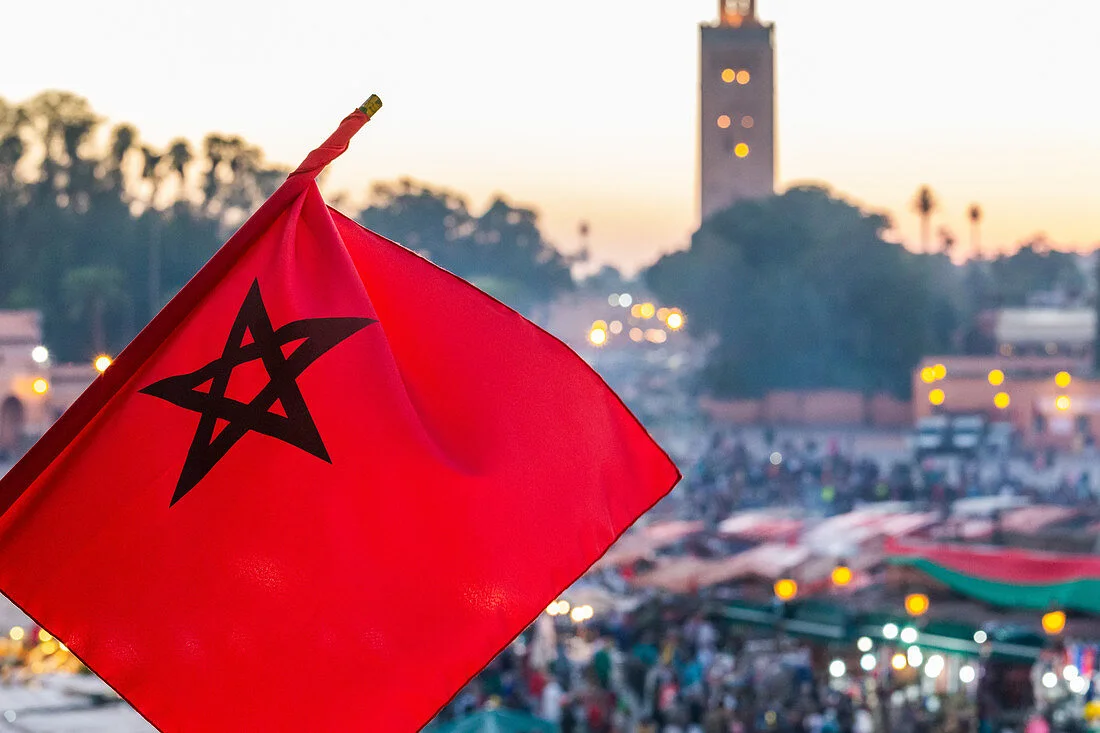
Morocco's Economic Resilience: Moody's Affirms Ba1 Rating with Stable Outlook
Morocco’s Economic Resilience: Moody’s Affirms Ba1 Rating with Stable Outlook.
One-stop reference
Company Intelligence
Every listed company in Latin America — financials, ownership and structure for 1,450+ companies across 26 exchanges, in one place.
Browse the directory →
RT
Ask Rio Times
17 years of Latin America reporting, on demand.
Open the full Ask Rio Times →

Officials are considering public-private partnerships to mitigate budgetary impacts. Morocco’s primary deficit is expected to stabilize at around 2% of GDP.

However, challenges persist, including low income levels and socio-economic disparities. In 2023, Morocco‘s per capita income stood at $10,460 in PPP terms, below the Ba1 median of $27,316.

Morocco’s Economic Outlook

High rates of informal employment and youth unemployment remain concerns. Low female participation in the labor market also presents a challenge to inclusive growth.

Despite structural reforms, progress in addressing these challenges has been slow. Morocco is working to diversify its economy and invest in renewable energy sources.

The stable outlook reflects balanced risks around the baseline scenario. Risks could emerge from limited economic liberalization and state-dominated oligopolies.

Conversely, successful reforms could rapidly improve credit metrics. Environmental risks, particularly water scarcity, impact Morocco’s credit profile.

The government’s strong governance mitigates these risks to some extent. However, high debt levels limit the financial capacity to address these challenges effectively.

Moody’s reaffirmation of Morocco’s ratings reflects no significant changes in the country’s economic outlook. Future ratings will depend on economic reforms aimed at improving income levels and job creation.

This article was produced by The Rio Times’ automated newsroom system. How we use AI · Report an error

Part of our ongoing coverage

Africa: The New Scramble — the great-power contest over the continent.

More from Northern Africa

Read More from The Rio Times

The Rio Times · Power Map
See who really holds power in Latin America
Click to open the Power Map

Rotate for Best Experience

This report is optimized for landscape viewing. Rotate your phone for the full experience.