Mighty Sparrow Dies at 91, Calypso King of Trinidad and Son of Grenada
Culture · Trinidad and Tobago
Key Facts
- —What happened Slinger Francisco, the calypso singer known as the Mighty Sparrow, died in New York on 27 September 2026, aged 91.
- —How big his record was He won eight Calypso Monarch crowns and eight Road March titles at Trinidad and Tobago’s Carnival.
- —The real story Calypso served as a poor man’s newspaper, and his songs carried social and political comment across the region.
- —The catch No cause of death has been given, and his family said only that he died after a brief illness.
- —What comes next Trinidad and Tobago’s government has not said whether Sparrow will receive an official funeral.
The Mighty Sparrow was born in a Grenadian fishing village and grew up above Port of Spain. For seven decades he sang the Caribbean back to itself.
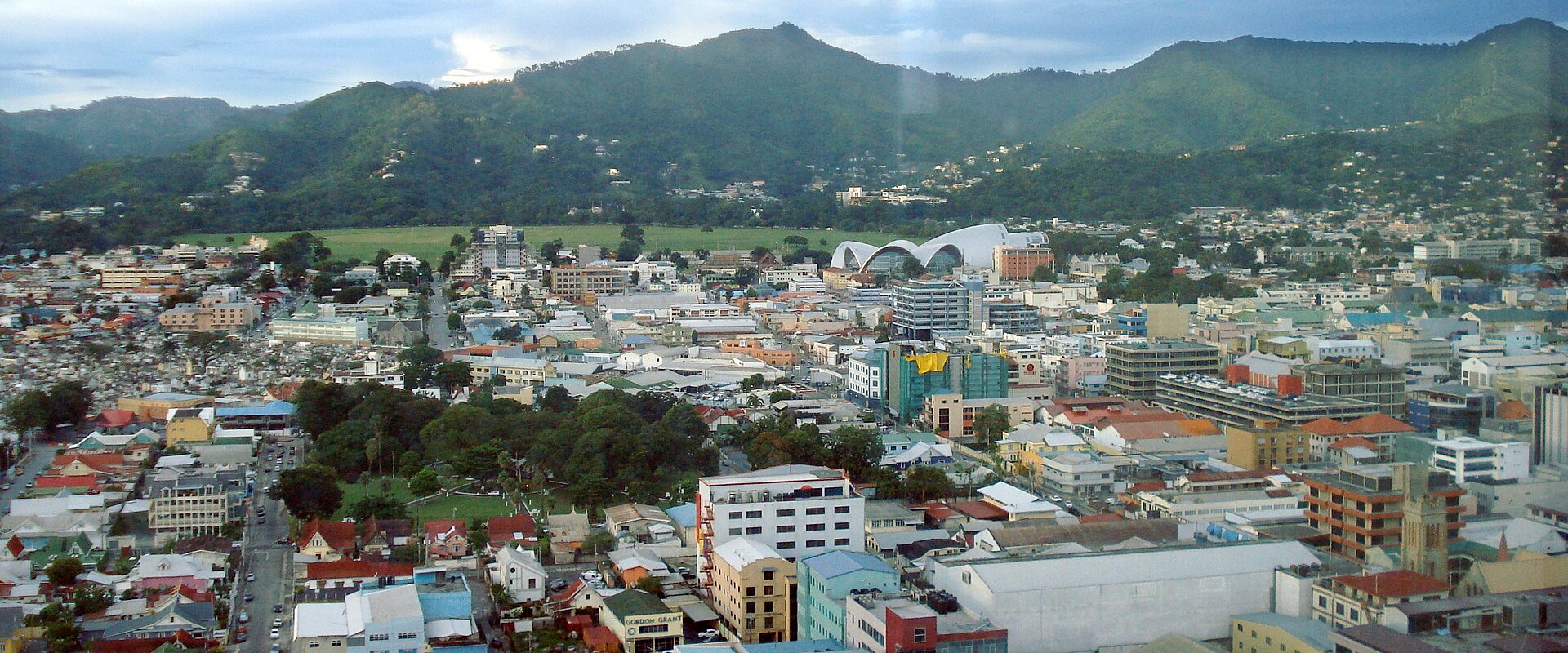
The Mighty Sparrow, who for seven decades set Caribbean life to music, has died in New York. He was 91.
His family announced the death on Sunday 27 September 2026. His daughter Karen Francisco said he died peacefully, surrounded by family, after a brief illness.
The family gave no cause beyond that illness. It said it was arranging a gathering to celebrate his life.
A Grenadian boy who became Trinidad’s voice
Slinger Francisco was born on 9 July 1935 in Grand Roy, a fishing village in the parish of St John, Grenada. His family took him to Trinidad as a small child.
He grew up in Laventille, the hillside district above Port of Spain, Trinidad’s capital. He sang in his school choir and joined a neighbourhood steelband.
His energy on stage earned him the nickname Little Sparrow. It grew into the name the whole region would later use.
Calypso, the Caribbean’s sung newspaper
Calypso is a Trinidadian song form with West African roots. The state body that runs Trinidad’s Carnival calls it a poor man’s newspaper.
That body is the National Carnival Commission. The phrase means a newspaper sung aloud, from a time when few islanders could read one.
A calypsonian reports the news, mocks the powerful and settles scores, in rhyme. The songs travelled by radio and by Carnival, not by print.
Caricom, the grouping of Caribbean governments, says the Mighty Sparrow gave the region social and political commentary. He did it in an art form the Caribbean invented for itself.
Soca, the faster dance music that now fills Carnival, grew out of calypso. The National Carnival Commission lists it among calypso’s modern forms.

The records he set at Carnival
Trinidad’s Carnival crowns a Calypso Monarch for the best song of the season. It also names a Road March winner, the song bands play most in the streets.
In 1956 Sparrow won both with “Jean and Dinah”. He was 20 years old.
He finished with eight Calypso Monarch crowns and eight Road March titles. Michelle Benjamin, Trinidad and Tobago’s minister of culture and community development, set out that count after his death.
He won a further title, Calypso King of Kings, in 1985 and again in 1988. Caricom says he entered that contest twice and won it both times.
Caricom counts more than 500 calypsos and upwards of 70 albums. The catalogue runs from “Jean and Dinah” to “Dan Is the Man”, “Congo Man”, “Obeah Wedding” and “Slave”.
A doctor of letters, and a state honour
The University of the West Indies gave him an honorary Doctor of Letters in 1987, at its St Augustine campus in Trinidad. That is why Caribbean officials call him Dr Slinger Francisco.
Professor Rose-Marie Belle Antoine, the campus principal, called the Mighty Sparrow “a phenomenal cultural giant”. She spoke in a university release on Monday 28 September 2026.
Trinidad and Tobago gave him the Chaconia Medal in gold. In 2014 it added the Order of the Republic of Trinidad and Tobago.
Caricom made him a member of the Order of the Caribbean Community in 2001. Britain made him an Officer of the Order of the British Empire in 2015.
Caricom’s citation for that order called him “rebel, warrior, the aggressive life force beneath the very foundations of Caribbean society”. It credited him with transgressing boundaries of race, colour, class and caste.
Two governments, and a region, answer
Kamla Persad-Bissessar, Trinidad and Tobago’s prime minister, called him “a true patriot and revered ambassador of Trinidad and Tobago’s culture”.
Grenada, where his life began, answered too. Its culture minister, Senator Adrian Thomas, said Sparrow’s Grenadian roots remained “an enduring source of national pride”.
Thomas added a sentence that carried. “The Mighty Sparrow may have sung his final song, but his voice will forever echo in the hearts of Caribbean people.”
Terrance Drew, prime minister of St Kitts and Nevis, put it shortest. “He did not merely sing to us; he sang us,” Drew said in a written statement on Monday 28 September 2026.
Drew recalled Sparrow playing the St Kitts Music Festival in June 2003. Audiences there, he said, still speak of it.
Mia Mottley, the prime minister of Barbados, made the wider point. “Calypso gave the ordinary West Indian a voice,” she said.
Guyana’s president, Irfaan Ali, said the songs had become the soundtrack of generations. Caricom’s chairman, St Lucia’s prime minister Philip Pierre, called the death a loss for the Caribbean family.
Dominica’s prime minister, Roosevelt Skerrit, called him one of the Caribbean’s greatest storytellers. Jamaica’s prime minister, Andrew Holness, called him a true Caribbean music icon.
What Trinidad has not decided
Trinidad and Tobago’s Senate marked his death with a minute of silence at its sitting on Monday 28 September 2026. Winston “Gypsy” Peters, a veteran calypsonian and former culture minister, has called for an official funeral.
The government has not said whether it will hold one. No funeral date has been announced.
For anyone new to the Caribbean, his catalogue is a short course in the last seventy years. The songs name the politics, the migrations and the arguments as they happened.
Trinidad’s Carnival will crown another Calypso Monarch next February. The mark it measures against was set by a boy from Grand Roy.
More: Caribbean coverage, every day from The Rio Times.
Frequently Asked Questions
What is calypso?
Calypso is a song form from Trinidad and Tobago with West African roots. The National Carnival Commission, the state body that runs Trinidad’s Carnival, describes it as a poor man’s newspaper from a time when literacy was not widespread. The singer, called a calypsonian, reports and comments on events in rhyme, often at the expense of politicians and the powerful. The music is judged in competition each Carnival season, and it is the root from which soca grew.
Was the Mighty Sparrow Grenadian or Trinidadian?
Both countries claim him, and both are right. Slinger Francisco was born on 9 July 1935 in Grand Roy, a village in the parish of St John, Grenada. His family took him to Trinidad as a small child, and he grew up in Laventille, above Port of Spain. He built his whole career in Trinidad and Tobago, and Grenada’s culture minister said this week that his Grenadian roots remain a source of national pride there.
What did he actually win?
At Trinidad’s Carnival he won the Calypso Monarch crown eight times and the Road March eight times, beginning with a double win in 1956 for “Jean and Dinah”. He also took the Calypso King of Kings title in 1985 and 1988. Caricom counts more than 500 calypsos and upwards of 70 albums. His honours include the Chaconia Medal in gold, the Order of the Republic of Trinidad and Tobago in 2014, the Order of the Caribbean Community in 2001 and an Officer of the Order of the British Empire in 2015.
What happens now?
His family said it is arranging a gathering to celebrate his life, and asked friends and fans to pay tribute on his official social media account. No cause of death has been given beyond a brief illness. Trinidad and Tobago’s Senate held a minute of silence on Monday 28 September 2026, and the veteran calypsonian Winston “Gypsy” Peters has called for an official funeral. The government has not said whether it will hold one.
Sources: Trinidad Express on the family statement, Trinidad Express on the Carnival titles, Trinidad Express on his 91st birthday in July 2026, Trinidad Guardian on Grenada’s response, Trinidad Guardian on the call for an official funeral, NOW Grenada on the Grenadian culture minister’s statement, NOW Grenada on his birthplace and early life, Caricom’s message of condolence, Caricom on the Order of the Caribbean Community, The University of the West Indies on his 1987 honorary doctorate, St Kitts and Nevis Information Service on the prime minister’s statement, Caribbean National Weekly on regional tributes, National Carnival Commission of Trinidad and Tobago on calypso, Parliament of Trinidad and Tobago on the Senate sitting
This article was produced by The Rio Times’ automated newsroom system. How we use AI · Report an error
Read More from The Rio Times