Lima Sues Peru Election Body Over Mayor Ban
Lima’s city hall wants Peru’s highest constitutional court to decide who rules on mayoral succession, in a fight over whether a former mayor may come back through the council list.

Politics: Peru
On Friday 27 November 2026, the city of Lima asked Peru’s Constitutional Court to cancel a ruling that stops former mayors from returning through the council list. Mayor Renzo Reggiardo filed the suit against the National Elections Jury (JNE), the country’s top electoral authority.
The ruling blocks Rafael López Aliaga, who headed Lima’s winning list as first councillor, from taking the mayor’s chair again. It also reaches other mayors who tried the same route.
Key Facts
- Who. Lima Mayor Renzo Reggiardo; former mayor Rafael López Aliaga; the National Elections Jury (JNE).
- What. Lima filed a competence lawsuit at Peru’s Constitutional Court against JNE Resolution 4557-2026.
- Why. The JNE says mayors of 2023–2026 cannot return as mayor through the first-councillor route.
- Next. The court first decides whether a real conflict of powers exists; if not, it dismisses the case.
- As of. 28 November 2026, 02:50 GMT.
Lima’s city hall wants Peru’s highest constitutional court to decide who rules on mayoral succession, in a fight over whether a former mayor may come back through the council list.
The first councillor is the person who steps in when a mayor leaves office, and López Aliaga headed the winning Lima list in that role for the 2027–2030 term. The JNE decided by majority that mayors who served in 2023–2026 cannot be proclaimed mayors by that route, and the Special Electoral Jury of Lima Centro, a lower body, proclaimed the second councillor, Jeanette Alonzo Contreras, as Lima’s mayor.
On Thursday 26 November the Metropolitan Council of Lima, the city council, voted 19 to 3, with four abstentions, to authorise Reggiardo to sue. Reggiardo said he was carrying out the council’s mandate.
The JNE’s majority read the constitutional ban on immediate re-election of mayors as covering this route, known in Peru as disguised re-election. López Aliaga leads Renovación Popular, a conservative party, whose list won in Lima.
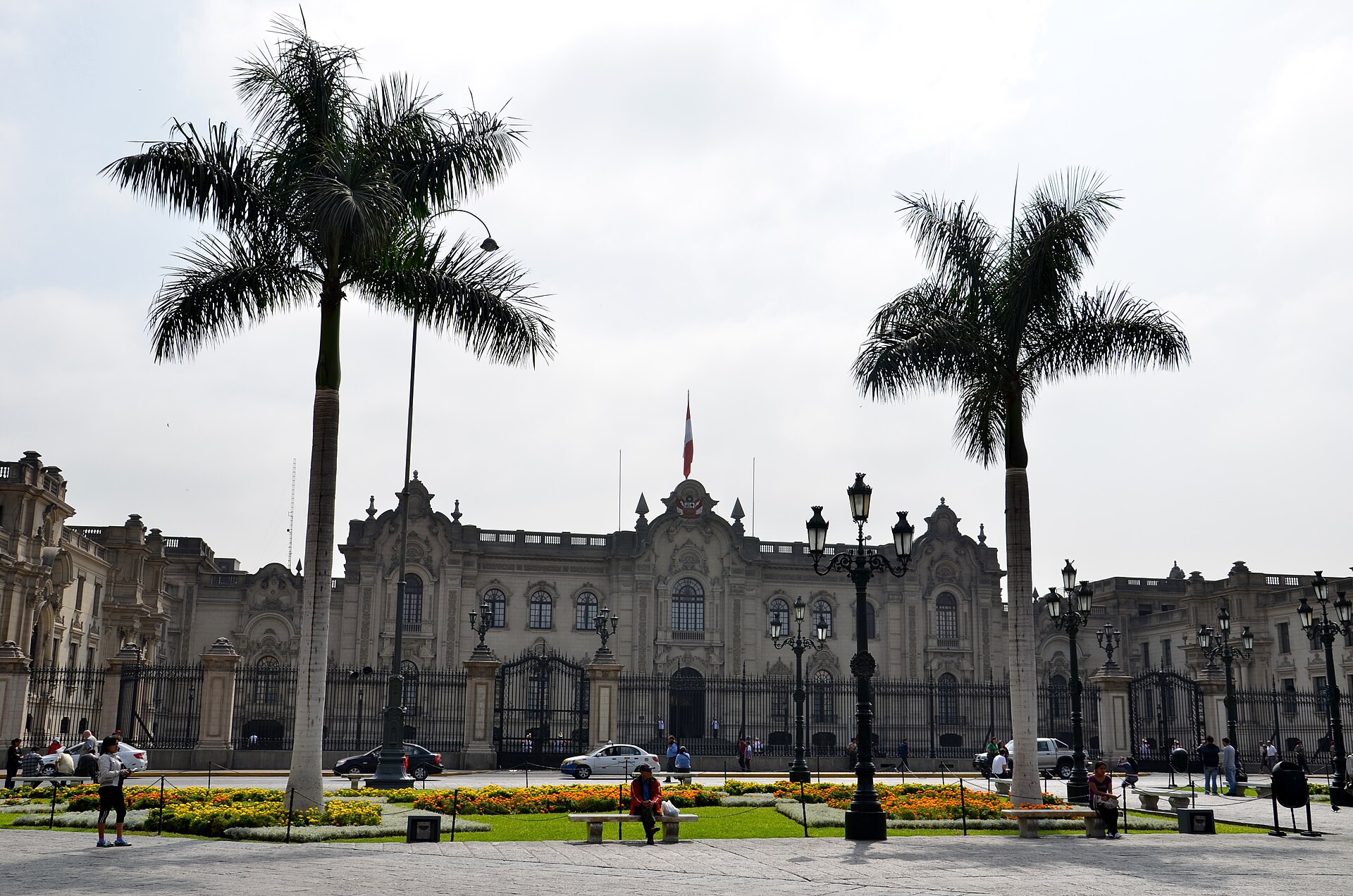
Councillor Guillermo Valdivieso, who chairs the council’s legal commission, argued that the JNE’s resolution adds limits beyond article 24 of the Organic Law of Municipalities. That law governs succession through the first councillor, and the council says its own members decide mayoral vacancies.
The suit asks the court to annul the resolution and to declare that the JNE cannot review on its own initiative the proclamations made by special electoral juries. It also asks the court to confirm that municipal councils decide on mayoral vacancies.
The new suit takes the fight out of the electoral system and into the constitutional court. López Aliaga’s party list won in Lima, but the ruling bars him from the mayor’s chair.
A lawyer in the case, Wilber Medina, says the JNE itself was divided. In his account, two JNE magistrates hold that such candidates can run as councillors and take the mayoralty by succession under the Organic Law.
The strongest answer from the other side is about who hands out the credentials. As the case is framed, the JNE’s plenary, not the municipal council, issues mayoral credentials.
In May 2026 the same city hall took the JNE to the Constitutional Court over its refusal to call supplementary elections, and the court later admitted that case. That dispute was about another decision, so this suit is a new test of the court’s role in electoral rules.
The Constitutional Court will first check whether the dispute is truly a conflict of powers between state bodies. Only if it finds one will it admit the case, notify the JNE and call a hearing on the merits.
If it finds no conflict, it can throw the suit out at once, leaving the JNE’s ruling in force. In that case López Aliaga and the other former mayors would stay barred from the office.
For readers outside Peru, the answer decides who runs the capital in the new municipal term from 2027. As of 28 November the JNE has not answered the suit, and it will be notified only if the court admits the case.
Context: For more on this, see our lima peru city explained guide.
Frequently Asked Questions
Who is Rafael López Aliaga?
He was Lima’s mayor in the 2023–2026 term and headed the winning council list this year. The JNE ruling bars him from becoming mayor again by that route.
Can the Constitutional Court overrule the electoral authority?
It can only rule if it finds a real clash of powers between state bodies. If it does not, the suit is dismissed and the JNE ruling stands.
Sources
Published Saturday 28 November 2026 · Source: lawsuit filed by the Metropolitan Municipality of Lima at the Constitutional Court (27 November 2026); JNE Resolution 4557-2026-JNE; Lima Metropolitan Council session of 26 November 2026; Tribunal Constitucional · Jurado Nacional de Elecciones · Municipalidad de Lima
Connected Coverage
In depth
This article was produced by The Rio Times’ automated AI newsroom. Editorial responsibility: Matthias Camenzind, Publisher and Editor-in-Chief. The Rio Times also runs Ask Rio Times, which answers from 100,000+ of our own articles, the daily Latin America Power Map, and prediction-market odds on elections and markets.. How we use AI · Report an error
Living in or visiting Lima? See this month's events and our Lima city guide with rents, safety and upcoming concerts.