
Libya · Central Bank
Libya’s central bank has a new governor in place after Fauzi Abokhzam and his predecessor, Naji Mohamed Issa, signed the official handover papers.
The Central Bank of Libya completed the handover of its top job on Sunday, 8 November 2026, when new governor Fauzi Abokhzam and predecessor Naji Mohamed Issa signed the official handover minutes. The bank holds the country’s oil income, and a fight over its leadership cut Libya’s oil output sharply in 2024.
Key Facts
- What happened The Central Bank of Libya formally completed its governor handover on Sunday, 8 November 2026.
- Who Fauzi Abokhzam succeeds Naji Mohamed Issa, who resigned as governor in August.
- The vote The House of Representatives, the eastern-based parliament, appointed him on 2 November; 78 of 90 lawmakers present voted yes.
- The oath He took the constitutional oath before the House speaker on Wednesday, 4 November 2026.
- Still open The bank did not say if the High Council of State, a Tripoli-based chamber, has endorsed the change.
What Happened on Sunday
The Central Bank of Libya said board members and department directors attended the handover ceremony. Abokhzam and Issa signed the handover and takeover minutes, which formally record the transfer of duties and responsibilities.
The bank paid tribute to Issa for his service as governor. It said the step ensures continuity of operations and the uninterrupted work of the bank.
How Libya Got to This Point
The House of Representatives, Libya’s eastern-based parliament, voted on Monday, 2 November 2026 to appoint Abokhzam and accept Issa’s resignation. Of the 90 lawmakers present, 78 voted in favour of Abokhzam.
Abokhzam took the constitutional oath before the speaker of the House on Wednesday, 4 November, the bank said. Issa had submitted his resignation in August and did not publicly give his reasons.
Issa took the job in 2024 under a deal brokered by the United Nations mission in Libya between the House and the High Council of State, a Tripoli-based chamber that shares appointment power with parliament. Our guide to who runs Libya’s economy explains how these institutions fit together.
Why It Matters for Oil Buyers
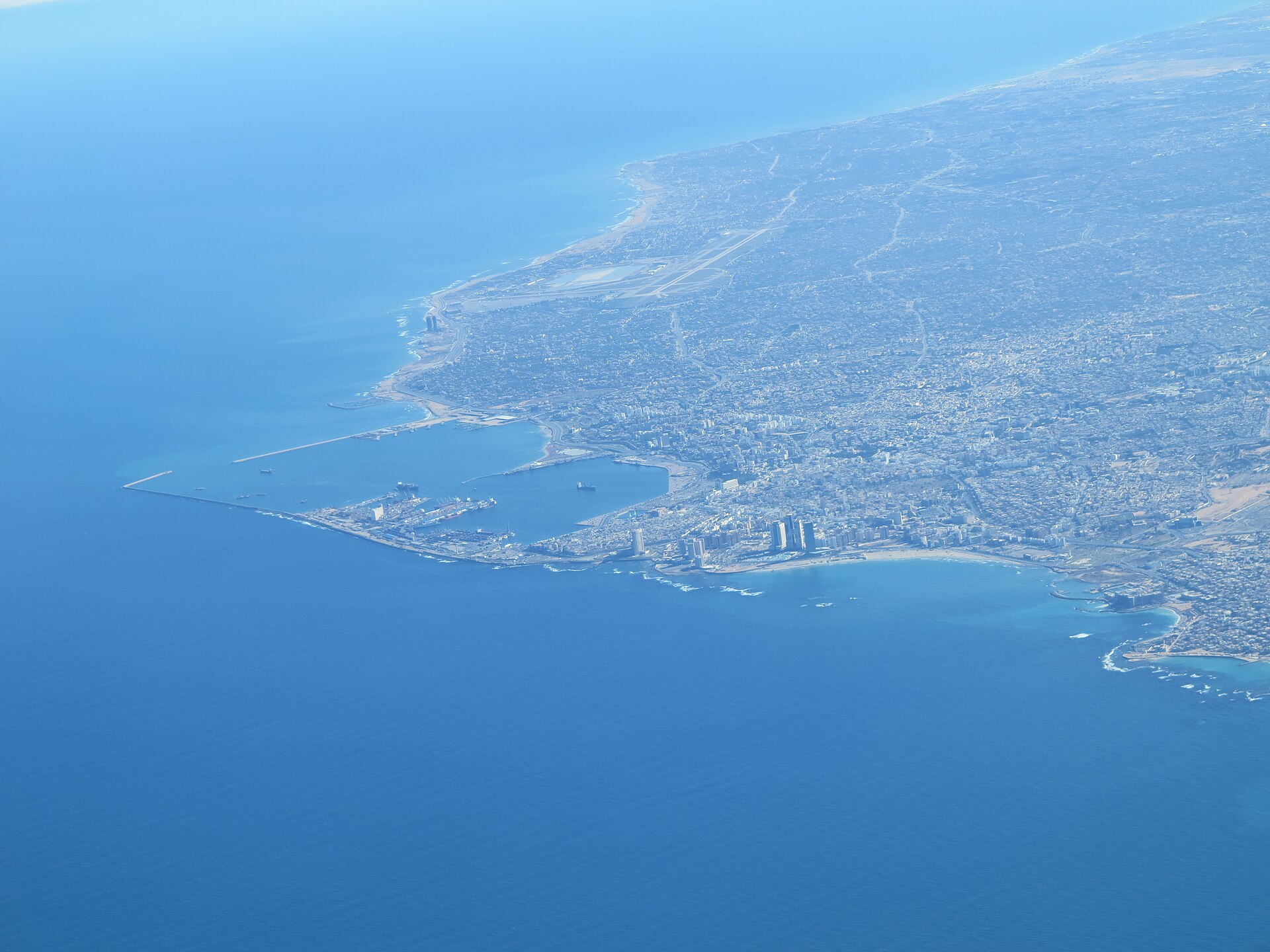
Libya’s central bank holds the country’s oil income, so who runs it matters for the whole economy. In August 2024 a dispute over its leadership led eastern authorities to close oilfields, and output fell sharply before a deal brokered by the United Nations mission ended the standoff.
A completed handover removes one source of doubt for oil buyers, banks and foreign companies that deal with the bank. The bank announced no change to policy, exchange rates or oil payments alongside it.
What It Means for You
For US readers who follow oil markets, the main point is continuity, because the bank describes a completed handover. The bank’s statement does not settle every question about who has the right to appoint the governor, and political splits have reached the oil sector before, as the 2024 shutdown showed.
Readers tracking Libya’s wider politics can follow the story through our Libya coverage and our report on US warnings of sanctions on those who obstruct the political transition. Libya’s latest oil income figures are in our oil revenue report.
What Comes Next
Abokhzam met department directors in Benghazi on Thursday, 5 November 2026 to stress institutional unity, the bank said. In our view the next test is whether staff and branches in Tripoli and Benghazi keep working as one institution.
What Is Not Known
Issa has not publicly explained why he resigned, and the bank’s statement does not say. The bank also did not say whether the High Council of State has endorsed Abokhzam’s appointment.
Frequently Asked Questions
Who is the governor of Libya’s central bank?
Fauzi Abokhzam, whom the House of Representatives appointed on 2 November 2026 and who took the oath on 4 November. He formally took over from Naji Mohamed Issa on 8 November.
Why did Naji Mohamed Issa leave the central bank?
He submitted his resignation in August 2026 and did not publicly give his reasons. The House of Representatives approved it in October and appointed his successor on 2 November.
Does the handover change Libya’s oil payments?
The bank announced no change to policy or oil payments with the handover. Its statement did not mention oil output.
Sources: Central Bank of Libya statements of 4, 5 and 8 November 2026 (https://cbl.gov.ly/en/central-bank-of-libya-completes-final-handoverof-governors-responsibilities/ and https://cbl.gov.ly/en/governor-of-the-central-bank-of-libya-dr-fauzi-abokhzam-takes-the-constitutional-oath-before-the-house-of-representatives/); House of Representatives vote of 2 November 2026 as announced by parliament; United Nations Support Mission in Libya and National Oil Corporation (Libya’s state oil company) statements on the 2024 central bank dispute. Read 8 November 2026.
This article was produced by The Rio Times’ automated AI newsroom. Editorial responsibility: Matthias Camenzind, Publisher and Editor-in-Chief. How we use AI · Report an error
LatAm Markets: Live Signals → — real-time movers, turnover leaders and FX across Latin America.