Jamaica’s Economy Shrinks 2.7% After Melissa
The slide is slowing and the institute expects growth to return by the end of the year, but a rebound from a weak base is not a full recovery.

Economy: Jamaica
Jamaica’s economy shrank by an estimated 2.7% in the three months to September 2026 compared with a year earlier, the Planning Institute of Jamaica (PIOJ), the government’s economic planning agency, said on Tuesday 24 November 2026. Lingering damage from Hurricane Melissa, which struck in October 2025, together with a dry spell, is still holding output down.
Tourism and bauxite (the ore used to make aluminium) are two big earners of foreign currency for Jamaica, and both are well below last year’s levels. Stopover arrivals, meaning visitors who stay at least one night, fell 17.9% to 572,943 in the quarter, the PIOJ said.
Key Facts
- Who. The PIOJ, Jamaica’s government planning agency, gave the estimate on 24 November 2026.
- What. Real GDP, output after inflation, fell an estimated 2.7% in July to September 2026.
- Next. The PIOJ projects growth of 4.5% to 5.5% for October to December 2026.
- As of. 25 November 2026, 08:00 GMT
The slide is slowing and the institute expects growth to return by the end of the year, but a rebound from a weak base is not a full recovery.
This is the fourth quarter in a row in which output is below the year before, by the PIOJ’s count. The first nine months of 2026 are down an estimated 3.2%, and the April to June fall was 2.9%, as the Statistical Institute of Jamaica (STATIN), the official statistics office, confirmed on 30 September.
The PIOJ presents the new figures as the start of a turn. In its media brief it said “the pace of contraction has moderated with each successive quarter”, which “suggests that recovery efforts are beginning to take hold”.
It projects growth of 4.5% to 5.5% in October to December, which would end four straight quarters of decline, and growth of 1.0% to 2.0% for the fiscal year to March 2027. The PIOJ itself says the forecast rests on a low production base in the same quarter of 2025.
Goods-producing industries shrank 7.3%, with every industry except construction lower, the PIOJ said. Mining and quarrying (digging bauxite, stone and sand) fell 23.5%, as alumina (refined bauxite) output dropped 24.5% and crude bauxite 37.6% after hurricane damage to infrastructure.
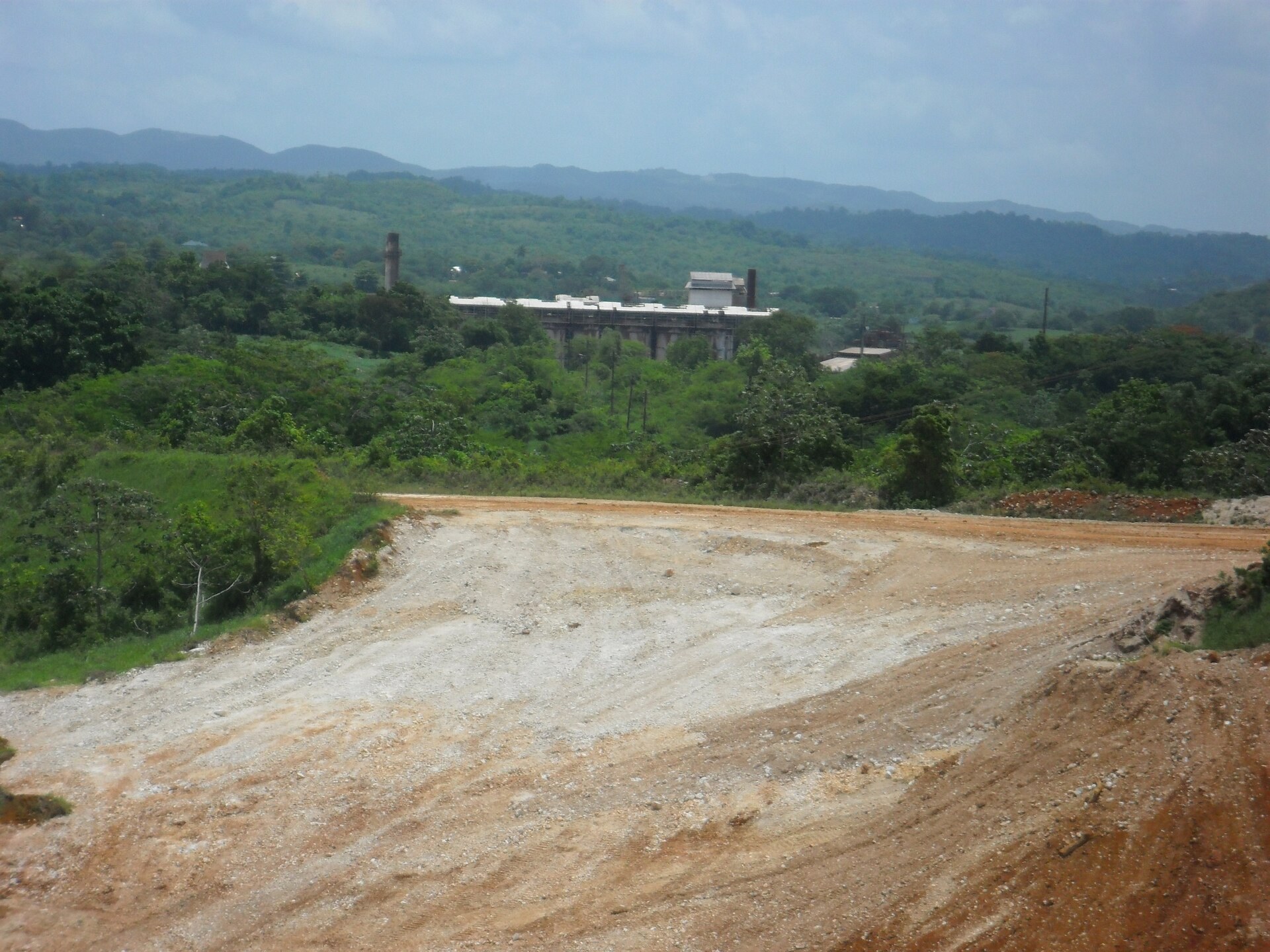
Manufacturing slipped 1.8%, as sugar output fell 14.9% and rum and other alcohol 18.6%. The refinery shut for 25 days in the quarter, which cut automotive diesel output by 70.3%.
Construction was the exception, up 1.4% for a second straight quarter. The National Housing Trust (NHT), a state housing agency, started 209.9% more homes, including semi-permanent houses for people hit by the hurricane.
Drought showed up in the utilities: water consumption fell 4.2%, with St James, a western parish (county), down 9.9%, which the PIOJ linked to dry conditions. Farming has taken the heaviest toll over the nine months, with agriculture, forestry and fishing down 17.4%.
Accommodation and food service output fell 10.3%, because some hotel rooms were closed for repairs and higher airfares hurt travel demand, according to the PIOJ. Tourism earnings were US$896.9 million, down 12.2%.
Services overall fell 1.1%, with six of nine industries lower. Air passenger movement fell 22.6%, the PIOJ said.
The PIOJ also cited STATIN’s July labour survey, which counted 1,419,200 employed people, a fall of 21,900, with unemployment at 3.4%. The Bank of Jamaica, the central bank, lists its policy rate (the rate it charges banks) at 6.50% after its 18 November decision, while STATIN puts October inflation at 8.2%, so households face rising prices as well as fewer jobs.
There is one early sign of improvement: airport arrivals in October fell by less than 3%, the first single-digit drop since the hurricane. The PIOJ expects returning hotel rooms and better weather to lift the next quarter.
These are preliminary numbers: STATIN publishes the official figure at the end of December, and the PIOJ brief does not say how much of the fall comes from the hurricane and how much from the drought. The institute’s next quarterly estimate, for October to December, is due about six weeks after that quarter ends.
Frequently Asked Questions
Is the 2.7% figure final?
No, it is a preliminary estimate by the planning institute. The official statistics office publishes its own figure at the end of December.
Was it the hurricane or the drought?
The institute blames the hurricane’s lingering impact for most of the fall, and the dry spell mainly for water and farm output. The brief gives no split between the two.
When might Jamaica’s economy grow again?
The institute expects growth in the final quarter of 2026, helped by a weak base a year earlier. A rebound from a low base is not the same as being back at pre-storm levels.
Sources
Planning Institute of Jamaica: media brief on July–September 2026, 24 November 2026 · Planning Institute of Jamaica: media brief on April–June 2026, 18 August 2026 · Statistical Institute of Jamaica (STATIN) · Bank of Jamaica
Connected Coverage
Jamaica news · IMF Sees Jamaica Growing 1.3% After Melissa · Jamaica’s Economy Shrinks as Melissa’s Bill Comes Due
This article was produced by The Rio Times’ automated AI newsroom. Editorial responsibility: Matthias Camenzind, Publisher and Editor-in-Chief. The Rio Times also runs Ask Rio Times, which answers from 100,000+ of our own articles, the daily Latin America Power Map, and prediction-market odds on elections and markets.. How we use AI · Report an error