Iran Turns to UN as It Faces Heavy Losses in Conflict with Israel and U.S.
Iran, long recognized by official US and Israeli sources as the world’s top state sponsor of terrorism, now faces mounting setbacks in its military confrontation with Israel.
After over a week of intense Israeli airstrikes that have killed at least 630 people and wounded more than 2,500 in Iran, the United States joined the conflict by bombing three of Iran’s most critical nuclear facilities: Fordow, Natanz, and Isfahan.
President Donald Trump announced that these sites were “completely destroyed,” marking a sharp escalation in the ongoing conflict.
Iran’s government quickly condemned the US strikes, labeling them a violation of international law and the UN Charter.
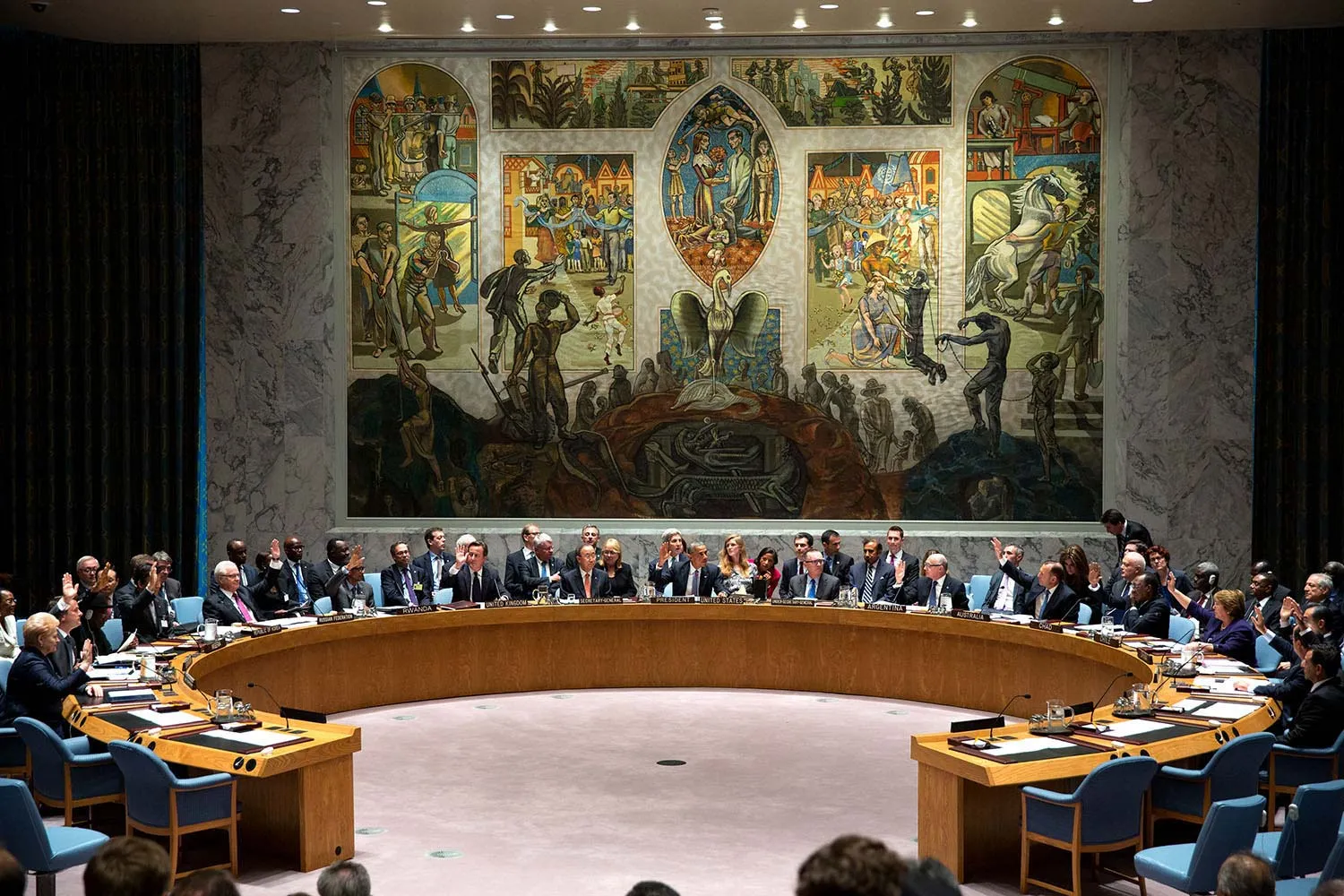
Tehran’s ambassador to the United Nations, Amir Saeid Iravani, demanded an emergency Security Council meeting, calling for condemnation of what he described as an “illegal use of force” by the US in coordination with Israel.
Iran insists its nuclear program is peaceful and claims the attacks targeted facilities under international supervision.
Despite these statements, Iran’s military position has weakened. Israeli strikes have reached 21 provinces, hitting not only nuclear infrastructure but also military and missile production sites.
Iran Turns to UN as It Faces Heavy Losses in Conflict with Israel and U.S.
The Iranian health ministry reports over 3,500 injuries since the start of the conflict.
Meanwhile, Iran’s retaliatory missile and drone attacks on Israel have caused at least 24 deaths and over 1,300 injuries, according to Israeli emergency services.
Most Iranian projectiles were intercepted by Israel’s advanced air defense systems.
The International Atomic Energy Agency confirmed that Israeli and US strikes damaged key structures at several Iranian nuclear sites, including the heavily fortified Fordow facility.
While no major radioactive leaks have occurred, the agency warned that continued attacks on nuclear infrastructure could trigger environmental disasters.
Diplomatic efforts have stalled. European leaders met with Iran’s foreign minister in Geneva, but talks ended with no progress.
President Trump dismissed European mediation, stating that only US involvement could produce results.
He gave Iran two weeks to negotiate before launching the strikes, but Tehran refused talks while “aggression continues.”
Israel’s leadership remains firm. Prime Minister Benjamin Netanyahu said the campaign would continue “as long as necessary” to eliminate Iran’s nuclear threat.
Israeli officials stress that only US military technology could destroy deeply buried sites like Fordow.
For the global economy, the risk of further escalation is significant. Iran could disrupt oil shipping routes in the Persian Gulf, threatening global supply and raising prices.
The conflict’s impact on international trade and energy markets remains a major concern for businesses worldwide.
Iran’s turn to the United Nations reflects its weakened position after suffering heavy military and infrastructure losses.
The Security Council session ended without resolution, as the US and its allies defended the strikes as necessary for regional security.
Key Facts
— Deep Dive
— For the complete picture, read our in-depth guide: Iran War and Hormuz Crisis 2026: Oil, Latin America and the Global Fallout
This article was produced by The Rio Times’ automated newsroom system. How we use AI · Report an error
Read More from The Rio Times