Iran Hits Back at Colombia With Narco-Terrorism Claim After Ties Cut
Key Facts
Iran has answered Colombia’s decision to cut diplomatic relations, and the answer was an accusation of its own. Tehran’s Foreign Ministry said on Friday that the Colombian government is influenced by drug cartels.
It also called Colombia’s stated reasons baseless and said the decision was taken under Israeli and American pressure. Iran warned that it would take what it called necessary measures to protect its interests.
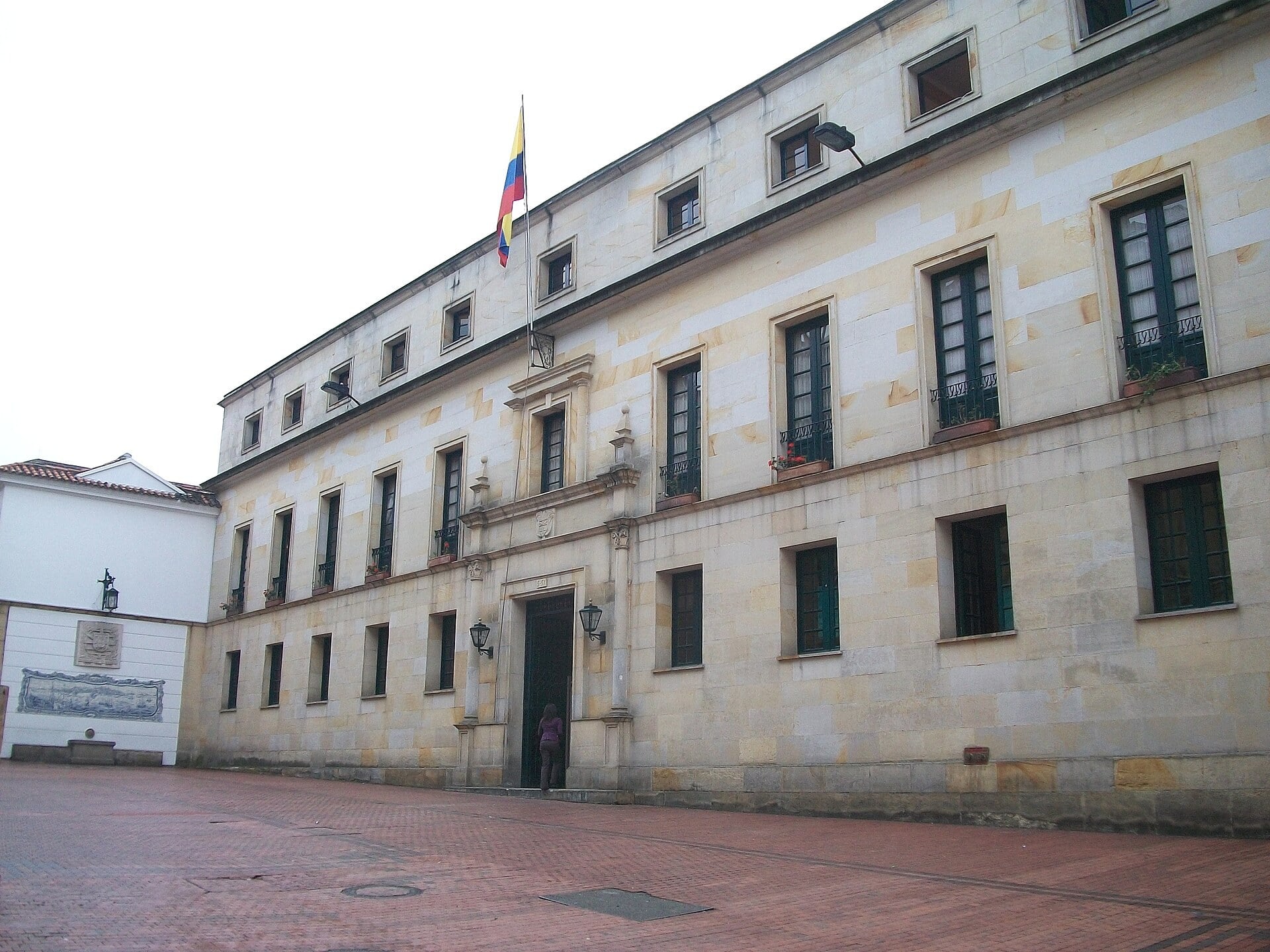
What Iran Said
The statement came from Iran’s Foreign Ministry rather than from a named minister or spokesman. Tehran has not identified the official who issued it, and no longer text of the statement has been published.
The Anadolu Agency of Turkey reported the central claim, which is that none of Colombia’s arguments is valid or logical. The ministry said the decision was made solely under the influence of Israel and the United States.
Iran then turned the charge around. It said the Colombian government is heavily influenced by cartels that produce and distribute drugs, and belongs to a narco-terrorism network.
Anadolu also reported an Iranian claim that Tehran had seized 55 kilograms of Colombian cocaine. Iran said the shipment was moved by a network connected to influential Colombian figures, and it named nobody.
What Colombia Said First
Colombia’s Foreign Ministry announced on 24 September that relations with Iran were over, backdated to 19 September. It cited what it called hemispheric national security and alleged Iranian links to groups that threaten Colombia.
The ministry listed several grounds in its statement. They included human rights in Iran, transnational crime, and what Bogota described as a serious threat to international peace and security.
Colombia also designated Iran’s Islamic Revolutionary Guard Corps as a terrorist organisation. The Guard is a branch of Iran’s armed forces that answers to the supreme leader rather than to the elected government.
None of the accusations on either side has been tested in public. Neither government has published evidence for the claims it makes about the other, and none of it has been examined by a court.
What Colombia Says Now
Bogota has not replied point by point to the Iranian statement. Reports carried on Saturday, including by the Hong Kong broadcaster RTHK, said Colombia would keep consular relations with Iran in place.
That distinction matters for ordinary people rather than for diplomats. Consular work covers visas, passports, birth records and help for citizens in trouble, and it continues after an embassy closes.
The rupture is therefore partial in practice. Ambassadors go and political contact stops, but the paperwork of daily life between the two countries is meant to carry on.
The Colombian government has also not said whether it expects any Iranian retaliation. It has published no assessment of what Tehran’s warning about necessary measures might mean for Colombians.
Why Peru Went First
Colombia is not the first South American country to take this step this year. Peru broke relations with Iran at the start of September, and Anadolu reported the announcement on 2 September.
Peru’s Foreign Ministry framed the decision in terms of international law and democracy. It cited the repression of protests in Iran, restrictions on the press, discrimination against women and girls, and the persecution of opponents.
Lima also pointed at shipping. It said Iran had disrupted international trade through the Strait of Hormuz, the narrow channel that carries a large share of the world’s oil.
The two ruptures came from different governments with different politics. What they share is a reading of Iran as a security problem for the Americas rather than a distant quarrel.
The War Behind the Break
This is happening while Iran is at war. Israel and the United States began striking Iran early in 2026, and repeated ceasefires have been agreed and then broken.
The Strait of Hormuz has been the economic centre of that conflict. Restrictions on tankers passing through it have pushed oil prices up and unsettled supply chains far from the Gulf.
Latin America has felt the price of that, if not the fighting. Governments across the region have had to take positions on a war that reaches them through fuel bills and shipping costs.
Colombia’s own position changed with its government. President Abelardo de la Espriella took office in August and has restored ties with Israel and aligned the country with Washington.
What Changes on the Ground
Trade between Colombia and Iran is small, so the commercial effect of the break is limited. The two countries have no significant investment relationship and no large migrant community linking them.
The symbolic effect is larger. A Latin American country has accused Iran of narco-terrorism, and Iran has returned the same charge against a government in the Americas.
Iran’s warning is the open question. It has not said whether necessary measures mean expulsions, sanctions, legal steps or nothing at all, and no deadline has been attached to it.
For readers outside the region, the useful marker is what comes next in the neighbourhood. Other governments in Latin America will be asked to follow Peru and Colombia, or to refuse.
Frequently Asked Questions
Why did Colombia cut relations with Iran?
Colombia’s Foreign Ministry cited hemispheric national security and alleged Iranian ties to terrorist and narco-terrorist groups. It also designated Iran’s Islamic Revolutionary Guard Corps as a terrorist organisation.
What did Iran say in reply?
Iran’s Foreign Ministry called the accusations baseless and said Colombia acted under Israeli and American influence. It also accused the Colombian government of being influenced by drug cartels.
Are the two countries still in contact?
Yes, at a consular level. Colombia has said consular relations continue, which covers visas, documents and assistance to citizens.
Has any other Latin American country done this?
Peru broke relations with Iran at the start of September, citing the Strait of Hormuz and human rights in Iran. Colombia followed weeks later.
Has either side published evidence?
Neither government has made public evidence for its accusations against the other. The claims remain assertions by two foreign ministries.
This article was produced by The Rio Times’ automated newsroom system. How we use AI · Report an error
Read More from The Rio Times