Honduras Seeks US$60 Million as Drought Threatens 708,000 People
Key Facts
Central America’s Dry Corridor is a belt of thin soils where two failed rains mean an empty year. Honduras and the United Nations have now asked donors for US$60 million to keep 538,000 people fed.
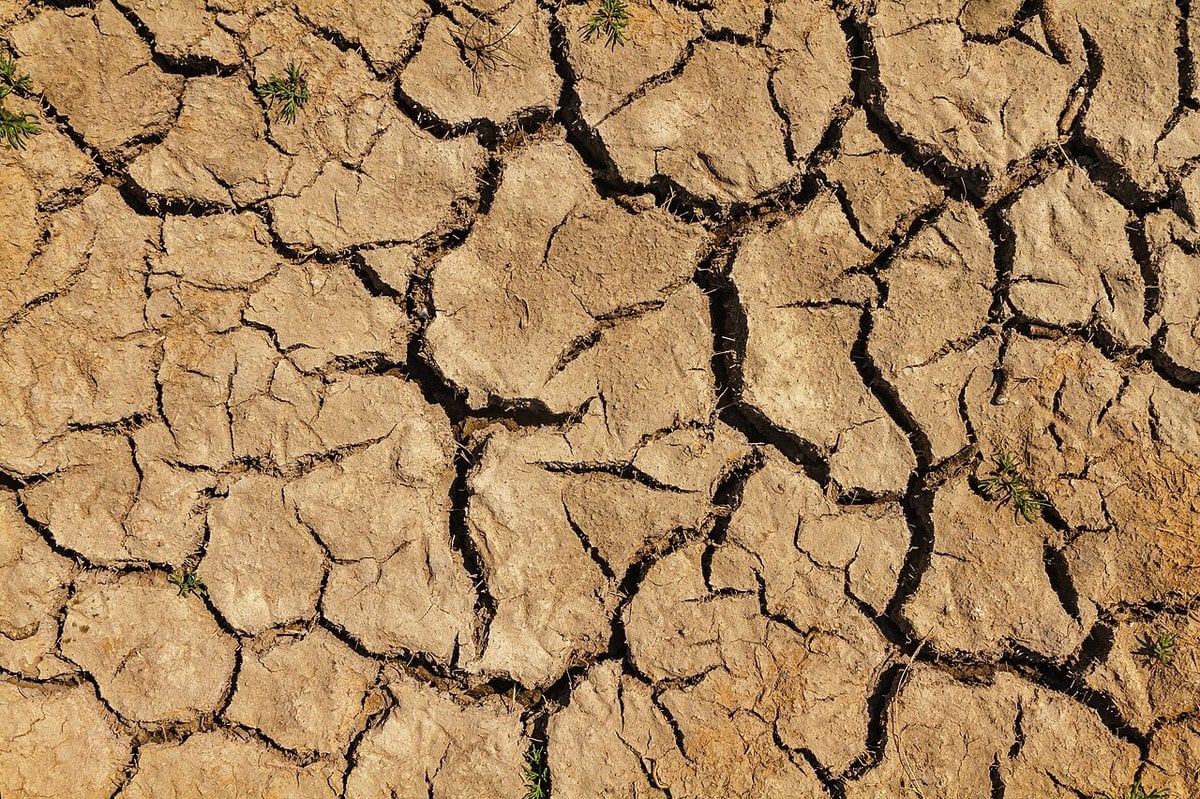
Honduras and the United Nations launched a US$60 million humanitarian appeal on 26 September for drought relief. The plan targets 538,000 people in 103 municipalities placed under red alert by Copeco, the national emergency agency.
Why This Matters
Honduras sits in the Central American Dry Corridor, a strip of land running from Guatemala to Nicaragua. Rain there falls in two seasons, and a maize crop that misses both leaves families with nothing to sell.
Drought in this belt is one of the steady drivers of migration towards Mexico and the United States. It also feeds food-price pressure in a country where money sent home already props up household spending.
The government of President Nasry Asfura took office on 27 January 2026 after a National Party win. Its first large test of disaster management is unfolding in the poorest departments of the south and west.
For investors, the drought touches coffee, sugar and basic grains, and the public finances behind them. For residents, it decides whether taps run and whether the next planting is worth the seed.
What the Appeal Contains
The appeal is what the United Nations calls a flash appeal, a short plan for a sudden shock. It asks donors for US$60 million and would be delivered by United Nations agencies and their partners.
Food security and nutrition take the largest share, at about US$30.7 million. Health work is costed at about US$13.5 million, and water and sanitation at about US$9.6 million.
Aid agencies estimate 708,000 people in the red-alert municipalities could need help, the Honduran site Tunota reported. Of those, 538,000 have been prioritised for this round of assistance.
Within food security alone, 622,000 people are judged to have needs, and 443,000 are targeted. Protection work, covering gender-based violence and child protection, takes a further US$6 million.
How Bad the Drought Is
More than 75 percent of Honduran territory has recorded extreme rainfall deficits this year. Copeco has placed 103 municipalities under red alert, the highest of its three warning levels.
The eight departments involved are Choluteca, Comayagua, El Paraiso, Francisco Morazan, La Paz and Valle, plus Intibuca and Lempira. Criterio.hn, a left-leaning investigative site, reported that 233 of 298 municipalities sit under some drought alert.
First-season maize and bean losses are already recorded, and the second planting is now at risk. The second, or postrera, planting now decides whether families have grain to carry into 2027.
Forecasters describe the current El Nino as very strong, with the Nino 3.4 index near plus three degrees. The International Research Institute for Climate and Society puts the odds near certainty into February 2027.
The Government Response
Reinaldo Sanchez, who heads Copeco, said food assistance is being prioritised in the 103 red-alert municipalities. He spoke after a committee meeting chaired by Asfura that brought in donors and United Nations agencies.
The government has separately assembled about US$182 million for water infrastructure, Infobae reported. Of that, US$150 million is a joint Inter-American Development Bank and JICA project to modernise water distribution.
Officials say roughly 40 percent of Tegucigalpa’s treated water is lost before it reaches households. A further US$32 million from the same bank is meant for wells, cisterns and small municipal works.
Alejandro Alvarez, the United Nations resident coordinator in Honduras, said the drought requires an immediate response. His stated aim is to stop humanitarian conditions worsening for want of food, water and income.
What Critics Say
Not everyone accepts that the money is reaching the people it is meant for. Criterio.hn visited villages in Francisco Morazan, Valle and Choluteca and reported that aid had not arrived.
Jose Ruben Pineda, a farm manager in La Fortuna, told the site that hunger would follow without help. Eva Carolina Ortiz Lopez, a municipal secretary in San Jose, said requests for wells were still unanswered.
The site noted an August announcement of 304.2 million lempiras (about US$11.3 million) in relief. That account comes from a single outlet, and the government has not answered those specific claims.
La Prensa, a centre-right daily in San Pedro Sula, has framed the season as a long hot stretch. Proceso Digital reported an expert view that losses in parts of the Dry Corridor are already total.
The Numbers in Context
The requested US$60 million works out at roughly US$112 for each targeted person. That is modest against the government’s own US$182 million water package.
The rate used here is about 26.9 lempiras per US dollar, the market rate in late September 2026. The government has also announced a parallel national strategy for vulnerable households.
No consolidated total for the whole drought response has been published. Honduras is not alone, since Guatemala’s share of the Dry Corridor has faced the same deficits.
The Rio Times reported in August on El Nino food stress in both countries. Aid volumes are therefore best read against harvests rather than against national budget lines.
What It Means If You Live or Invest in Honduras
If you live in the south or west, expect water rationing and higher prices for basic grains. Municipal offices in red-alert areas are the first point of contact for water trucking and food aid.
If you farm, the second planting decision this month carries more risk than usual. Seed and fertiliser spent on a failed postrera crop cannot be recovered.
If you run a business, plan for water interruptions in the eight affected departments. Food-price pressure feeds into wage talks and into transport costs.
If you invest, watch the coffee and sugar harvests and the fiscal cost of relief. Public borrowing for water works will show up in the 2027 budget debate.
What Is Not Yet Known
It is not known how much of the US$60 million donors will actually pledge. No timetable for disbursement has been published alongside the appeal.
The second harvest outcome will not be clear until late in the year. Whether the red-alert list grows beyond 103 municipalities depends on rainfall in October.
The Inter-American Development Bank board decision on the larger water loan is set for 30 September. Its outcome, and the disbursement schedule that would follow, have not been made public.
No independent audit of the aid already delivered has been released. The government has not said what it will do if donor funding falls short.
Frequently Asked Questions
What is the Dry Corridor?
It is a belt of dry tropical forest running from Guatemala through Honduras to Nicaragua. Rainfall there is erratic, and two failed seasons can wipe out a smallholder’s year.
Who is asking for the money?
The appeal is joint, issued by the Honduran government and the United Nations country team. United Nations agencies and their partners would carry out the work.
How many people are affected?
Aid agencies count about 708,000 people in the municipalities under red alert. The appeal prioritises 538,000 of them for assistance.
Is El Nino to blame?
Forecasters describe a very strong El Nino expected to run into 2027. Its effect on Central American rainfall is well documented, although single seasons have many causes.
Sources: Infobae, joint appeal for US$60 million, Infobae, government water plan worth US$182 million, Tunota, 708,000 people in red-alert municipalities, Criterio.hn, villages report aid has not arrived, La Prensa, hotter and drier months ahead, Proceso Digital, total losses in the Dry Corridor, IRI Columbia, El Nino forecast for 2026 and 2027
This article was produced by The Rio Times’ automated newsroom system. How we use AI · Report an error
Read More from The Rio Times