Guyana Accepts First US Deportees Under New Veto Deal
GUYANA · MIGRATION
Key Facts
- —What happened Six deportees from the United States landed in Guyana on Friday: two Afghans and four Cubans.
- —How big The one-year deal caps new arrivals at twelve people each month with no rollover for unused slots.
- —What it means Guyana keeps full authority to reject any person the United States proposes for relocation there.
- —The catch The six arrivals have no criminal record though Guyana’s opposition had feared deportees with convictions.
- —Who it affects The six are staying in Guyana now, waiting for immigration officials to resolve their cases.
- —What comes next Guyana’s government says Washington has not requested any further transfers under the arrangement so far.
Two Afghan and four Cuban deportees landed in Guyana on Friday under a new one-year US deal.
Six people deported from the United States landed in Guyana on Friday, September 4. They mark the first arrivals under a brand-new deportation agreement between the two countries.
Two of the six deportees are Afghan nationals. The other four are Cuban nationals who had been living in the United States.
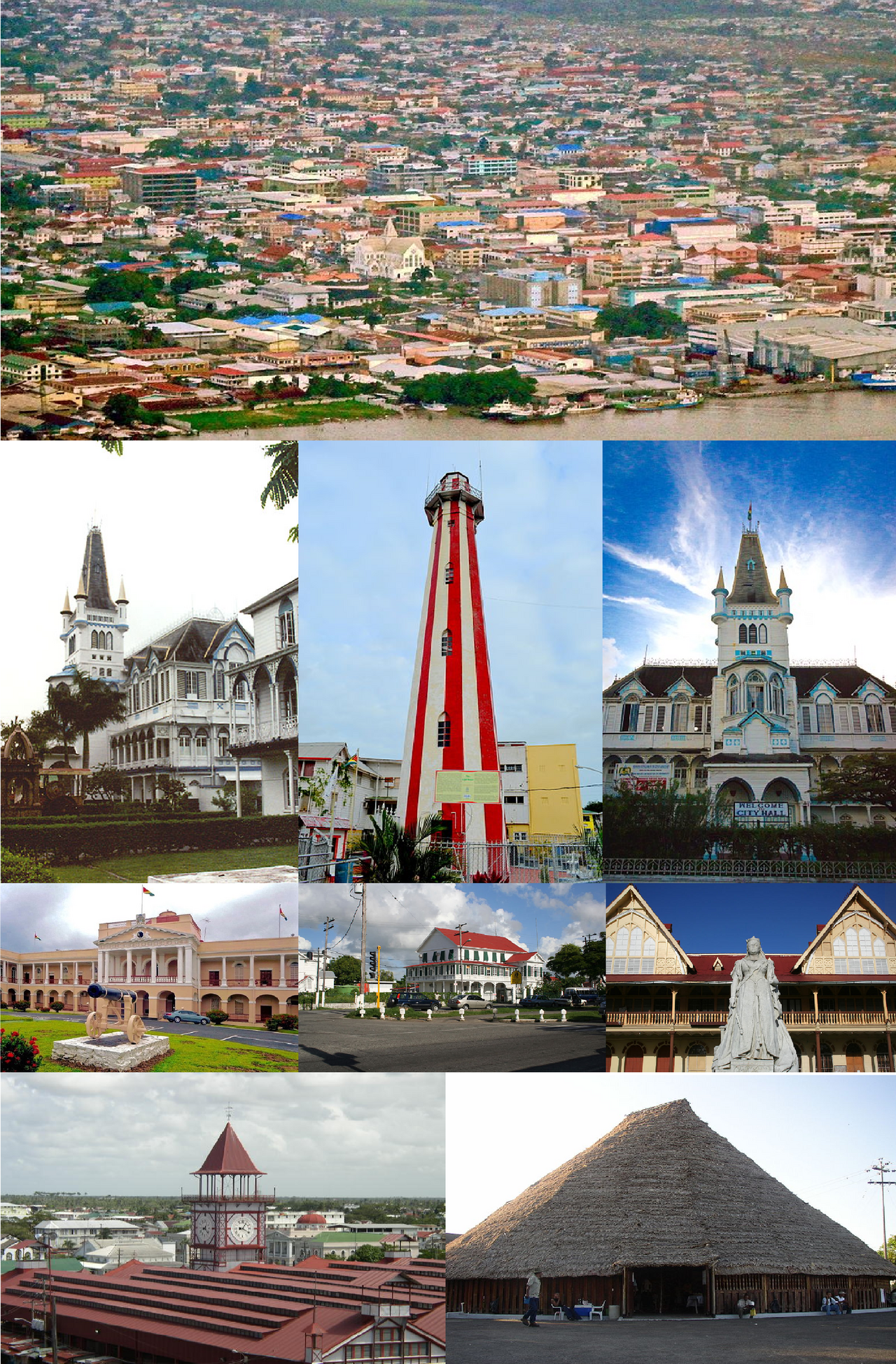
Guyana sits on South America’s northern coast, between Venezuela and Suriname. It has about 800,000 people, one of the smallest populations in the region.
What the Deal Covers
Guyana’s government calls the arrangement temporary, not permanent resettlement. The framework runs for twelve months.
It allows up to twelve arrivals a month. Unused monthly slots do not roll over to the next month.
The United States pays for every relocation cost under the deal. A United Nations migration agency called the IOM manages housing and support in Guyana.
Guyana and the United States began discussing the idea in early 2026. Officials called the early talks a framework of understanding.
The two governments finalized the framework through a joint statement this month. It followed months of quiet negotiations between the two capitals.
Foreign Secretary Persaud said Washington has not asked for more transfers so far. The six who arrived remain the only group received under the deal.
Guyana’s Veto, Explained
Guyana does not have to accept everyone the United States sends. Government officials review each proposed case before anyone arrives.
A Guyanese government source told Stabroek News the country decides who it accepts. The source said Guyana is never forced to take anyone it does not want.
The deal also blocks sending anyone to a country where they could face danger. Deportees can still ask the United Nations refugee agency for protection.
Some Guyanese lawmakers say the screening process is not fully public. They want clearer rules on who gets vetoed and why.
What Happens to the Deportees Now
The six are staying in Guyana for now. Their immigration cases are still moving through the system.
They can eventually return to Cuba or Afghanistan, or settle somewhere else. No country is guaranteed as a final destination yet.
Guyana’s government is not paying for their housing or daily support. A United Nations program called Assisted Voluntary Return covers those costs instead.
Taking part in the relocation program is voluntary for each deportee. The terms are fixed in advance, not open-ended residency.
The IOM also offers broader integration support to help new arrivals settle in. That support can include housing help and other basic services.
The deportees also get access to legal representatives. They can keep in touch with family members too.
A Deal Guyana’s Opposition Wanted Stopped
Guyana’s government negotiated this deal for months before finalizing it. Foreign Secretary Robert Persaud confirmed the arrangement to reporters on Saturday.
Opposition leader Aubrey Norton had urged the government to reject any such deal. Norton leads A Partnership for National Unity, known as APNU.
Norton said Guyana lacks the facilities to handle deportees with criminal records. He argued the country should put its own people first.
A second opposition party is called We Invest in Nationhood, or WIN. Leader Azruddin Mohamed said the talks lacked public consultation.
Opposition figures wanted the vetting criteria made fully public first. They also worried the deal could strain jobs for local Guyanese.
Opposition parties had demanded full disclosure before any deal was signed. They wanted Guyana’s Parliament to debate the terms first.
Opposition leaders noted Guyana already hosts many Venezuelan migrants. They said new arrivals could strain services already stretched thin.
The six people who actually arrived have no criminal convictions, officials say. That does not necessarily apply to any future arrivals under the deal.
Part of a Bigger US Push in the Region
Guyana is not the only country taking these so-called third-country deportees. A third-country deal sends deportees to a nation that is not their homeland.
More than a dozen countries in the Americas have signed similar deals with Washington. Belize, St. Lucia and St. Kitts and Nevis are among them.
More than thirty countries now have similar deals with the Trump administration. Fifteen of those agreements cover nations across the Americas.
Rights groups such as Amnesty International have criticized the practice. They say it can send people to unstable places with no family ties or language support.
Data cited by rights groups show most US immigration detainees have no criminal conviction. They argue that undercuts the case for removals like this one.
News of the arrivals spread quickly across Latin American media outlets. Spanish-language outlets such as Infobae and La Opinión also covered the story.
More: Guyana news in English, every day from The Rio Times.
Frequently Asked Questions
What is a “third country” deportation deal?
It is an agreement letting the United States send deportees to a country that is not their own homeland.
Why does Guyana have veto power over who arrives?
Guyana negotiated the right to review and reject any person before accepting them under the deal.
Do the deportees get to stay in Guyana permanently?
No, the arrangement is temporary. Deportees may return home or move elsewhere once their cases are resolved.
Did any of the six deportees have criminal records?
No, Guyanese officials said none of the six had a criminal record.
Has Guyana received any requests for more deportees since?
Not yet. Guyana’s government says Washington has made no further requests so far.
Sources: CBS News, Al Jazeera, Stabroek News, Demerara Waves Online News, Kaieteur News Online.
This article was produced by The Rio Times’ automated newsroom system. How we use AI · Report an error
Read More from The Rio Times