Gulf of Mexico Renamed “Gulf of America” on Google Maps for U.S. Users
Google Maps now displays the Gulf of Mexico as the “Gulf of America” for users in the United States.
This change follows an executive order signed by President Donald Trump on January 20, 2025, as part of a broader effort to emphasize American contributions to the region’s economic and historical significance.
The renaming has sparked international criticism and raised questions about its implications for diplomacy and shared cultural identity. The Gulf, spanning 600,000 square miles, borders the U.S., Mexico, and Cuba.
It plays a vital role in global energy production, fisheries, and trade. Trump’s executive order, titled “Restoring Names That Honor American Greatness,” directed federal agencies to adopt the new name, which he described as a symbol of restored national pride.
On February 9, now designated “Gulf of America Day,” Trump highlighted the change during a visit to the region. Google implemented the update after the U.S. Geographic Names Information System (GNIS) officially changed the designation.
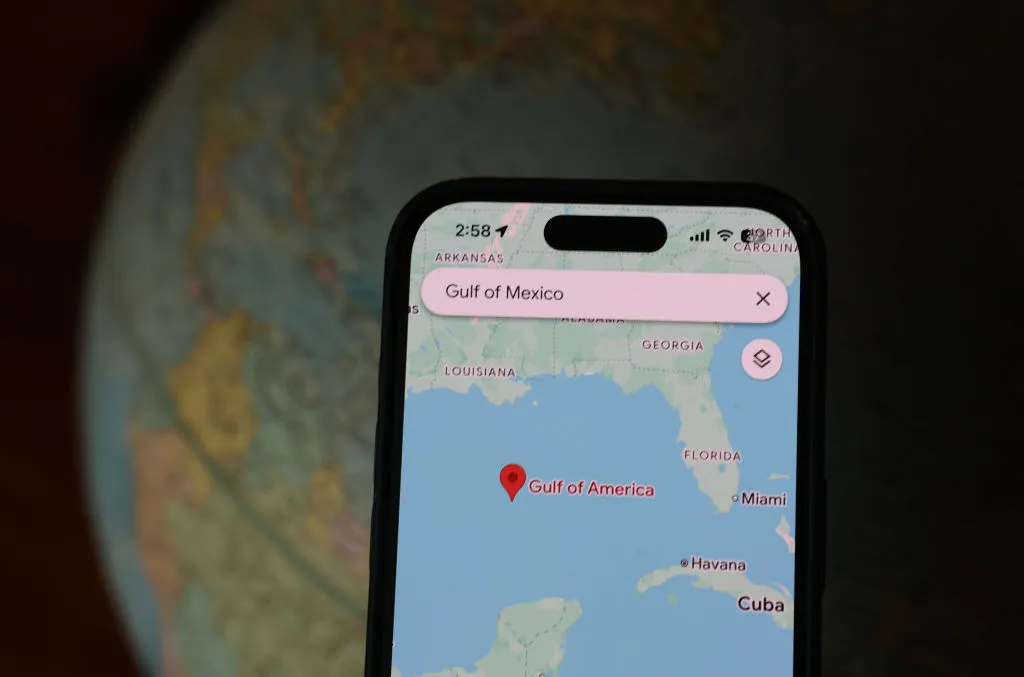
For U.S. users, the map now shows “Gulf of America,” while international users see both names: “Gulf of Mexico (Gulf of America).” Google clarified that it aligns map labels with official government sources.
Mexico Rejects U.S. Renaming of the Gulf
Mexico strongly opposes the move. Mexican President Claudia Sheinbaum called it an overreach under international maritime law, which limits unilateral naming rights to territorial waters.
In addition, she urged Google to reverse the change, emphasizing that for Mexico and much of the world, it remains the Gulf of Mexico. Critics argue that renaming undermines centuries of shared history and risks straining U.S.-Mexico relations.
While Trump supporters view it as a patriotic gesture, others see it as an unnecessary provocation with limited practical impact. The controversy underscores how geographic names carry significant political and cultural weight, influencing perceptions far beyond maps.
This article was produced by The Rio Times’ automated newsroom system. How we use AI · Report an error
Read More from The Rio Times