The U.S. Shifts Focus from ‘Ethical’ Leadership to Business Competitiveness
President Donald Trump’s recent suspension of the Foreign Corrupt Practices Act (FCPA) signals a dramatic shift in U.S. priorities on the global stage.
The FCPA, enacted in 1977, has long been a cornerstone of America’s reputation as a leader in corporate ethics. It prohibits U.S. companies from bribing foreign officials to secure or maintain business deals.
However, Trump’s executive order halting its enforcement reflects a new focus: prioritizing business competitiveness over ethical leadership. Trump has consistently criticized the FCPA, calling it a “disaster” that hinders American companies in international markets.
His administration argues that strict enforcement of the law creates an uneven playing field. It bars U.S. firms from engaging in practices that are common among foreign competitors.
The White House claims this disadvantage undermines national security and economic interests, particularly in critical industries like energy and infrastructure.
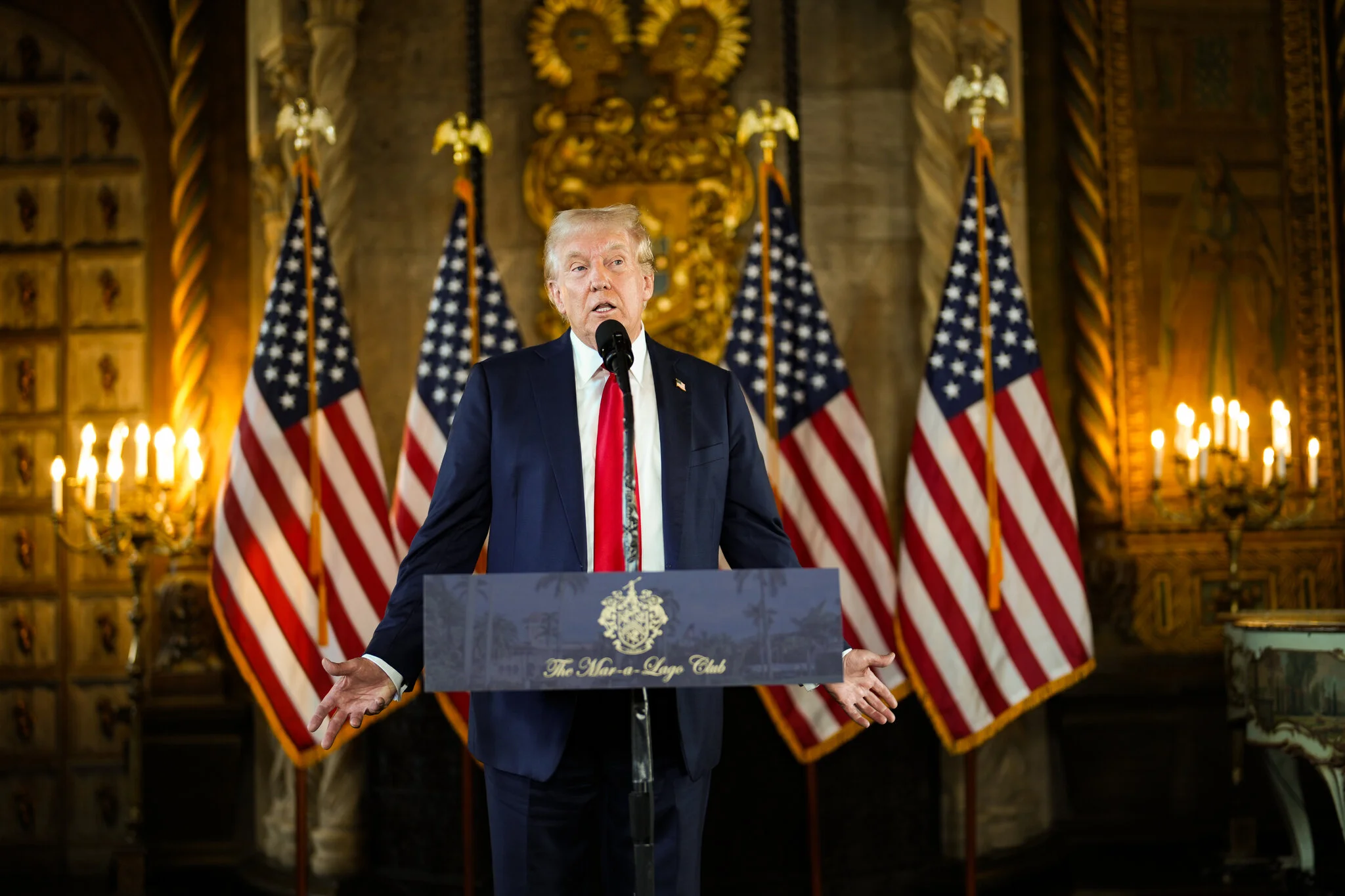
The executive order pauses new FCPA investigations for 180 days while Attorney General Pam Bondi reviews existing cases and enforcement guidelines.
A Controversial Shift in Global Anti-Corruption Strategy
Trump framed the suspension as a way to “level the playing field” for American businesses, stating it would “mean a lot more business for America.” Supporters of the move argue that it allows U.S. companies to compete more effectively in high-risk markets. In these markets, informal payments are routine.
Critics, however, warn that this shift undermines decades of progress in combating global corruption. Transparency International and other watchdogs have condemned the decision as a retreat from ethical leadership, arguing it could embolden unethical practices worldwide.
In 2024 alone, the Department of Justice pursued 26 FCPA-related cases, with 31 companies under investigation by year’s end. High-profile cases have included major corporations like Goldman Sachs and Walmart.
They also involve allegations of large-scale bribery schemes with foreign entities. While proponents believe this policy shift will unlock new opportunities for U.S. businesses abroad, critics fear it signals a broader abandonment of ethical standards.
This article was produced by The Rio Times’ automated newsroom system. How we use AI · Report an error
Read More from The Rio Times