Ghana EPA Shuts Empire Cement Weija Plant Over Pollution Breaches
GHANA · ENVIRONMENT
Key Facts
- —What happened Ghana’s Environmental Protection Authority ordered Empire Cement Ghana Ltd to shut its Weija plant in Greater Accra on 14 September 2026.
- —Why Alleged air pollution breaches and missing environmental monitoring returns.
- —The conditions cited Five: 5.1(1)(a), 5.1(a), 5.1(h)(i), 5.1(h)(iv) and 9.1 of the plant’s environmental permit.
- —The deadline Outstanding quarterly environmental monitoring returns are due by 1 October 2026.
- —Who runs the regulator The EPA is headed by chief executive Prof. Nana Ama Browne Klutse. The directive itself names no signatory.
- —What is not known The EPA has not said what restart conditions apply beyond the returns, and the company has not responded publicly.
A cement plant on the edge of Accra has been told to stop. It is not the first time.
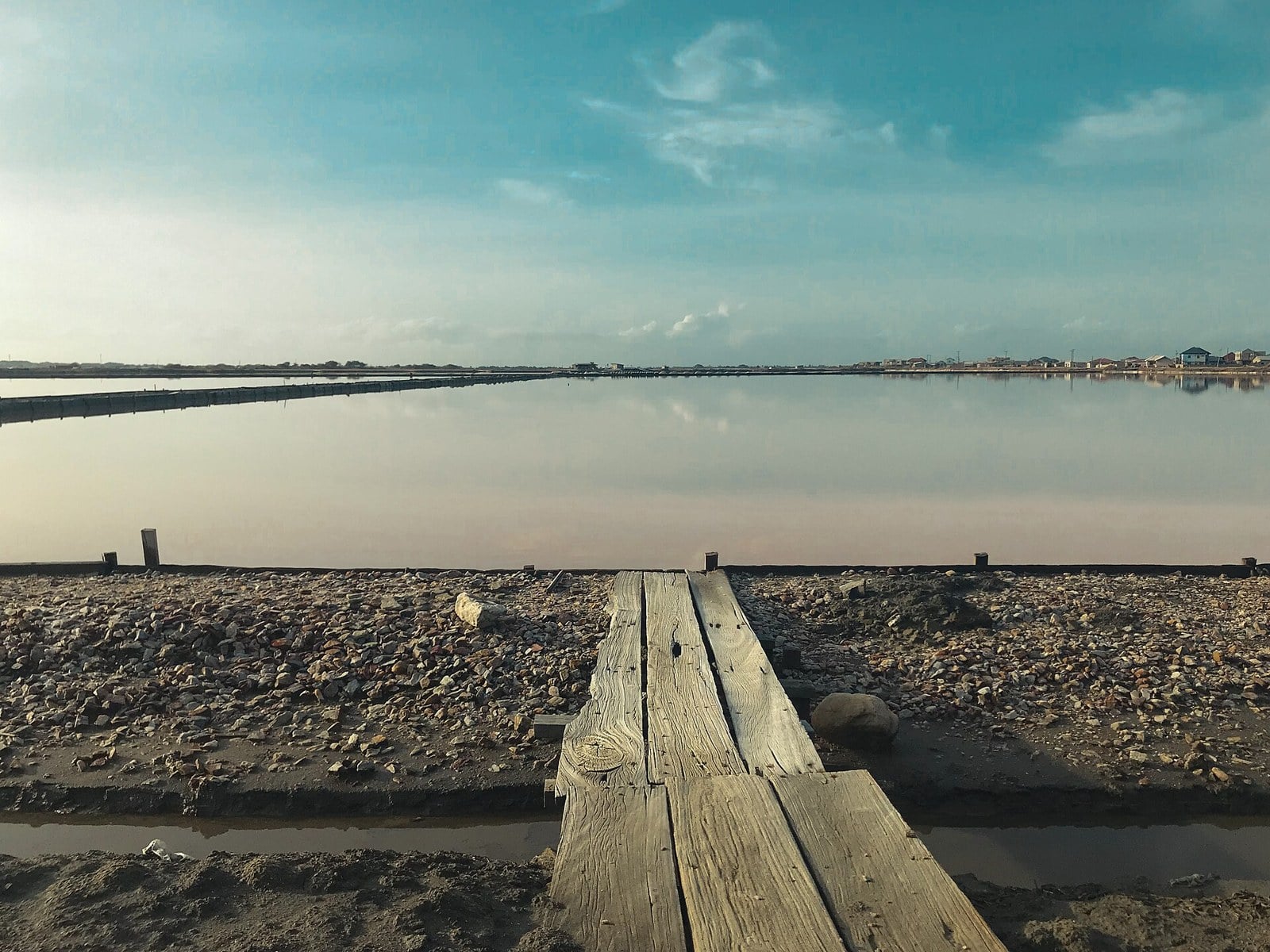
Ghana’s Environmental Protection Authority ordered Empire Cement Ghana Ltd to shut down its Weija plant on 14 September 2026. The regulator cited five conditions of the plant’s environmental permit and gave the company until 1 October to file outstanding monitoring returns.
The Directive
The EPA issued the shutdown order on 14 September 2026 over alleged air pollution breaches.
It named five permit conditions: 5.1(1)(a), 5.1(a), 5.1(h)(i), 5.1(h)(iv) and 9.1.
Those conditions cover emissions control and the duty to file environmental monitoring data.
The company has until 1 October 2026 to submit the outstanding quarterly returns.
What a Cement Plant Emits
Clinker grinding and bagging release fine particulate matter, the dust that travels furthest and lodges deepest.
Permits typically cap emissions at the stack and require continuous or quarterly measurement.
The measurement obligation is not a formality. Without returns, a regulator cannot tell whether a plant is within its limits.
That is why missing paperwork and alleged pollution appear in the same notice.
Where the Plant Sits
Weija is on the western edge of Greater Accra, near the Densu river and the Weija dam.
Residential neighbourhoods and the Panbros salt works lie in the same area.
Residents in McCarthy Hill, Tetegu and around the Panbros site raised dust complaints in reporting between 2020 and 2022.
Those complaints are the background to the current action, not part of the September directive itself.

A Long Regulatory History
The EPA first shut the plant in June 2021 for operating without an environmental permit.
In 2022 Ghana’s trade minister said Empire Cement had been permitted to manufacture cement bags, not cement itself.
The plant has since operated under a permit with the conditions now cited against it.
This is therefore a second enforcement round rather than a first encounter.
The Industrial Policy Angle
Empire Cement is a Chinese-backed project and has been associated in local reporting with the One District One Factory programme.
However, the government withheld approval at points in that process, so the link is looser than headlines have suggested.
Public reporting supports an investment figure of about US$50 million. Lower figures circulating elsewhere could not be sourced.
Industrial policy and environmental enforcement sit in different ministries, and this case shows where they collide.
Who Is Affected
Plant workers lose shifts for as long as the shutdown runs.
Ghana’s cement market is supplied by several larger producers, so building sites are unlikely to feel a shortage.
Residents near the site gain immediate relief from dust if the order holds.
Chinese investors in Ghanaian manufacturing gain a data point about how enforcement works here.
Why the Regulator Is Moving
Ghana’s EPA has been more visible on enforcement since being restructured from an agency into an authority.
Air quality in Accra ranks among the worst in West Africa on several monitoring datasets.
Mining and quarrying enforcement has taken most of the political attention, but industrial emissions affect far more people daily.
A shutdown notice is the strongest tool the authority has short of revoking a permit.
What to Watch
Whether the outstanding returns are filed by 1 October 2026.
Any statement from Empire Cement, which has not responded publicly.
Whether the EPA sets emissions-control conditions for a restart, beyond the paperwork.
And whether this becomes a pattern of enforcement against industrial emitters in Greater Accra.
More: Africa news and analysis, every day from The Rio Times.
Frequently Asked Questions
Why was Empire Cement shut down?
Ghana’s EPA cited alleged air pollution breaches and missing environmental monitoring returns, naming five permit conditions.
Which conditions were cited?
Conditions 5.1(1)(a), 5.1(a), 5.1(h)(i), 5.1(h)(iv) and 9.1 of the plant’s environmental permit.
When does the company have to respond?
Outstanding quarterly environmental monitoring returns are due by 1 October 2026.
Where is the plant?
At Weija, on the western edge of Greater Accra, near the Densu river and the Panbros salt works.
Has this happened before?
Yes. The EPA shut the plant in June 2021 for operating without an environmental permit.
Who leads the EPA?
Chief executive Prof. Nana Ama Browne Klutse. The September directive does not name a signatory.
Sources: Environmental Protection Authority of Ghana shutdown directive of 14 September 2026, MyJoyOnline and Graphic Online reporting, earlier Ghanaian reporting on the Weija plant from 2020 to 2022.
This article was produced by The Rio Times’ automated newsroom system. How we use AI · Report an error
Read More from The Rio Times