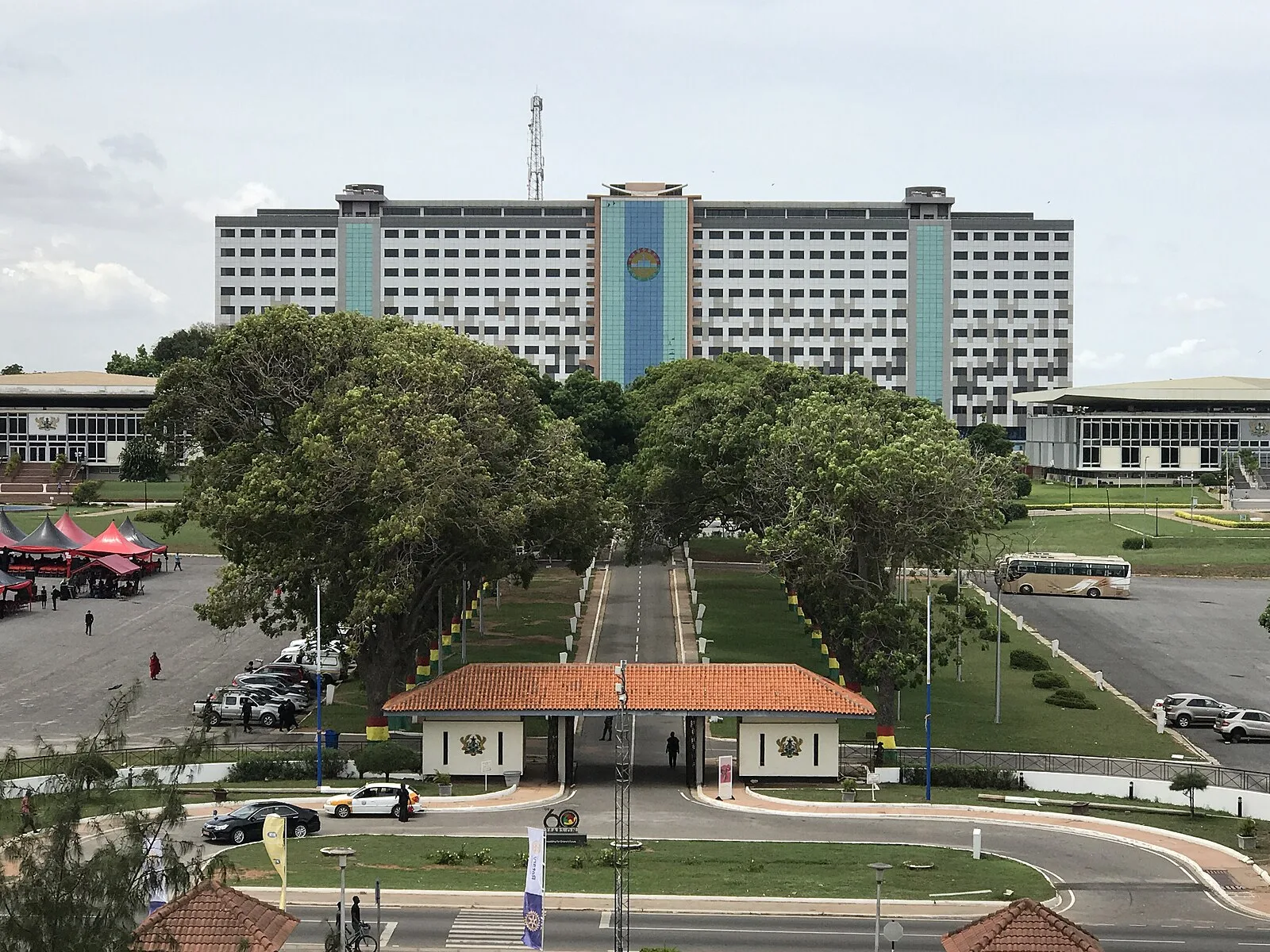
GHANA · POLITICS
Johnson Asiedu Nketia, national chairman of Ghana’s governing National Democratic Congress (NDC), has urged the police to investigate vote-buying in party elections. He said in an interview on Friday 13 November 2026 that gifts and money become unacceptable when they are used to sway votes or win posts.
Ghana’s law on bribing voters covers public elections, but it does not expressly cover a party’s own internal contests. That gap is why a party chairman is asking the state to act.
Key Facts
- What The NDC chairman asks police and security agencies to act on vote-buying in internal party elections.
- Who Johnson Asiedu Nketia, chairman of the party of President John Mahama.
- When Interview on Friday 13 November 2026.
- Law Ghana’s vote-buying law does not expressly cover party contests; a private member’s bill to extend it was before Parliament in March.
- Not known Whether Parliament has moved on that bill since March.
A party leader is asking the state to police his own party’s elections.
What Asiedu Nketia Said
Asiedu Nketia said vote-buying allegations should not be treated only as internal disciplinary matters. He said police and other security agencies should investigate anyone involved in criminal conduct during party elections.
He also said state institutions should not wait for his party or the opposition New Patriotic Party (NPP) to act first, adding: “If there is criminality, state institutions should not sit there and say that this is an NPP matter.” He said he was pleased that the party’s incoming leadership shares his concern about money in internal elections.
Why the Law Has a Gap
Section 33 of Ghana’s Representation of the People Law, 1992 makes bribery to influence voters in public elections a crime. It does not expressly extend to a party’s internal contests.
In February 2026 the Office of the Special Prosecutor (OSP), Ghana’s anti-corruption prosecutor, opened investigations into alleged vote-buying in the NPP presidential primary of 31 January and the NDC parliamentary primary in Ayawaso East, a constituency in Accra, on 7 February. The Ayawaso East allegations included television sets given to delegates, and candidate Mohammed Baba Jamal Ahmed denied vote-buying.
The Bill Before Parliament
On 10 March 2026 Alban Bagbin, the Speaker of Parliament, said a private member’s bill (a bill brought by an individual lawmaker, not the government) to extend criminal sanctions to misconduct in party primaries and by-elections (votes to fill a vacant seat) was before the House. OccupyGhana, a civil-society group, had handed Parliament a draft that would widen the definition of public elections and give the OSP the main power to prosecute.
Michael Kosi Dedey, a policy analyst, has called the bill an exercise in futility, arguing that existing laws already cover these offences and that parties must discipline their own members. We have not seen the bill’s text and found no later status than March.
What It Means for You
For readers outside Ghana, the point is how a leading West African democracy polices money in party politics, since primaries decide who stands in national elections. The fate of that bill, not the statement, decides whether party vote-buying becomes a clear crime.
What Is Not Known
It is not known whether police have opened any case, whether the bill has advanced or will pass, or which party contests prompted his remarks. We found no published findings from the OSP inquiries.
Frequently Asked Questions
Is vote-buying in party primaries illegal in Ghana?
Section 33 of the 1992 Representation of the People Law bans bribery in public elections but does not expressly cover party contests. A private member’s bill to extend it was before Parliament in March 2026.
Who is Asiedu Nketia?
He is national chairman of the National Democratic Congress, the party of President John Mahama. He made the call in an interview on 13 November 2026.
What is the Office of the Special Prosecutor?
It is Ghana’s anti-corruption prosecution body. It opened vote-buying inquiries into two party primaries in February 2026.
Read more: Ghana’s ruling party votes in regional polls · Ghana news
Sources
Representation of the People Law, 1992, Section 33 · Office of the Special Prosecutor statement, 8 February 2026: osp.gov.gh · Parliament of Ghana: parliament.gh.
This article was produced by The Rio Times’ automated AI newsroom. Editorial responsibility: Matthias Camenzind, Publisher and Editor-in-Chief. The Rio Times also runs Ask Rio Times, which answers from 100,000+ of our own articles, the daily Latin America Power Map, and prediction-market odds on elections and markets.. How we use AI · Report an error