IBOV 187,422.92 ▲ 0.44% IPSA 11,396.01 ▼ 0.27% IPC MEX 64,456.59 ▲ 1.45% MERVAL 2,997,659 — 0.00% COLCAP 2,588.64 ▲ 0.90% BVL PERÚ 59,529.36 ▲ 1.84% USD/BRL5.13▲ 0.56% USD/MXN17.43▲ 0.80% USD/CLP956.21▲ 0.97% USD/COP3,237▲ 1.04% USD/PEN3.37▼ 0.16% USD/ARS1,514▼ 0.02% USD/UYU40.06▲ 2.85% USD/PYG5,918▲ 2.61% USD/BOB11.85▲ 25.17% USD/DOP59.29▲ 0.83% USD/CRC447.45▲ 3.24% USD/GTQ7.63▲ 3.11% USD/HNL26.86▲ 3.21% USD/NIO36.62▲ 2.68% USD/VES851.37▼ 0.13% USD/PAB1.00— 0.00% USD/BZD2.00— 0.00% USD/JMD 157.28 — 0.00% USD/TTD6.74▲ 2.34% EUR/BRL5.85▼ 0.03% BRENT 88.88 ▼ 0.03% WTI 83.11 ▼ 0.11% IRON ORE 161.91 — — COPPER 6.61 ▲ 0.03% GOLD 4,461 ▲ 1.78% SILVER 65.59 ▲ 1.26% SOY 1,184 ▲ 3.20% CORN 480.50 ▲ 10.02% WHEAT 655.00 ▲ 3.93% COFFEE 317.25 ▼ 5.51% SUGAR 16.43 ▼ 1.79% ORANGE JUICE 138.55 ▼ 0.47% COTTON 85.03 ▲ 2.33% COCOA 5,719 ▲ 3.18% BEEF 223.60 ▼ 3.93% CATTLE 339.10 ▼ 3.16% LITHIUM 75.20 ▲ 1.47% PETR4 41.64 ▼ 0.05% VALE3 72.97 ▲ 0.83% ITUB4 38.60 ▼ 1.03% BBDC4 16.85 ▲ 0.36% ABEV3 14.89 ▼ 0.80% BBAS3 19.37 ▲ 0.47% B3SA3 14.26 ▼ 0.21% WEGE3 47.59 ▲ 0.49% PRIO3 59.14 ▼ 0.19% SUZB3 41.33 ▲ 2.35% RENT3 34.68 ▼ 0.09% AZZA3 15.89 ▼ 2.63% CSAN3 3.22 ▼ 1.83% RAIZ4 0.25 — 0.00% PCAR3 2.75 ▼ 0.36% GMAT3 3.65 ▼ 1.08% PSSA3 48.13 ▼ 0.54% CVCB3 1.33 ▼ 2.92% POSI3 3.36 ▲ 2.44% SLCE3 13.34 ▲ 0.30% NATU3 8.14 ▼ 0.73% IBOV 187,422.92 ▲ 0.44% IPSA 11,396.01 ▼ 0.27% IPC MEX 64,456.59 ▲ 1.45% MERVAL 2,997,659 — 0.00% COLCAP 2,588.64 ▲ 0.90% BVL PERÚ 59,529.36 ▲ 1.84% USD/BRL 5.16 ▲ 0.01% USD/MXN 17.06 ▼ 0.24% USD/CLP 913.98 ▲ 0.04% USD/COP 3,140 ▲ 0.03% USD/PEN 3.36 ▼ 0.66% USD/ARS 1,493 ▲ 0.10% USD/UYU 40.27 ▲ 1.24% USD/PYG 5,939 ▲ 1.68% USD/BOB 11.64 ▼ 0.76% USD/DOP 58.34 ▲ 1.25% USD/CRC 445.92 ▲ 0.89% USD/GTQ 7.62 ▲ 2.21% USD/HNL 26.79 ▲ 1.57% USD/NIO 36.62 ▲ 0.69% USD/VES 762.44 ▼ 0.13% USD/PAB 1.00 — 0.00% USD/BZD 2.00 — 0.00% USD/JMD 157.28 — 0.00% USD/TTD 6.70 ▲ 0.61% EUR/BRL 5.95 ▲ 1.01% BRENT 88.88 ▼ 0.03% WTI 83.11 ▼ 0.11% IRON ORE 161.91 — — COPPER 6.61 ▲ 0.03% GOLD 4,461 ▲ 1.78% SILVER 65.59 ▲ 1.26% SOY 1,184 ▲ 3.20% CORN 480.50 ▲ 10.02% WHEAT 655.00 ▲ 3.93% COFFEE 317.25 ▼ 5.51% SUGAR 16.43 ▼ 1.79% ORANGE JUICE 138.55 ▼ 0.47% COTTON 85.03 ▲ 2.33% COCOA 5,719 ▲ 3.18% BEEF 223.60 ▼ 3.93% CATTLE 339.10 ▼ 3.16% LITHIUM 75.20 ▲ 1.47% PETR4 41.64 ▼ 0.05% VALE3 72.97 ▲ 0.83% ITUB4 38.60 ▼ 1.03% BBDC4 16.85 ▲ 0.36% ABEV3 14.89 ▼ 0.80% BBAS3 19.37 ▲ 0.47% B3SA3 14.26 ▼ 0.21% WEGE3 47.59 ▲ 0.49% PRIO3 59.14 ▼ 0.19% SUZB3 41.33 ▲ 2.35% RENT3 34.68 ▼ 0.09% AZZA3 15.89 ▼ 2.63% CSAN3 3.22 ▼ 1.83% RAIZ4 0.25 — 0.00% PCAR3 2.75 ▼ 0.36% GMAT3 3.65 ▼ 1.08% PSSA3 48.13 ▼ 0.54% CVCB3 1.33 ▼ 2.92% POSI3 3.36 ▲ 2.44% SLCE3 13.34 ▲ 0.30% NATU3 8.14 ▼ 0.73%
since 2009
Wednesday, September 23, 2026

World-News Europe and Russia

German Media Bias Shapes Public Opinion Against AfD Despite Party’s Growing Support

By · May 5, 2025 · 2 min read

The LatAm Brief

One email, every weekday morning. What moved in Latin American markets, politics and expat life.

Yesterday’s subject line: “A Category 5 hurricane has stopped moving off Mexico”

Free. We send a confirmation link first — nothing arrives until you click it. Unsubscribe with one click in any edition. If you stop opening us for 30 days we stop sending by ourselves, as we assume the interest is no longer there. See our privacy policy. We never share your email.

A persistent bias against the Alternative for Germany (AfD) party dominates German mainstream media coverage. This systematic negative portrayal significantly influences public perception and fuels support for extreme measures against the party.

The Insa institute recently found that 48% of Germans favor banning the AfD entirely. German media consistently frame the AfD as dangerous and extremist without providing balanced context.

News outlets routinely emphasize controversial statements while downplaying legitimate policy positions. This one-sided presentation creates a distorted image that shapes how voters understand the party’s platform and intentions.

Media researcher Thomas Hestermann uncovered an interesting contradiction in German reporting patterns. His studies show mainstream outlets follow AfD-like patterns when covering crime stories.

In 93.5% of news reports mentioning nationality, the suspects were identified as foreigners. This selective emphasis simultaneously reinforces certain AfD narratives while portraying the party negatively.
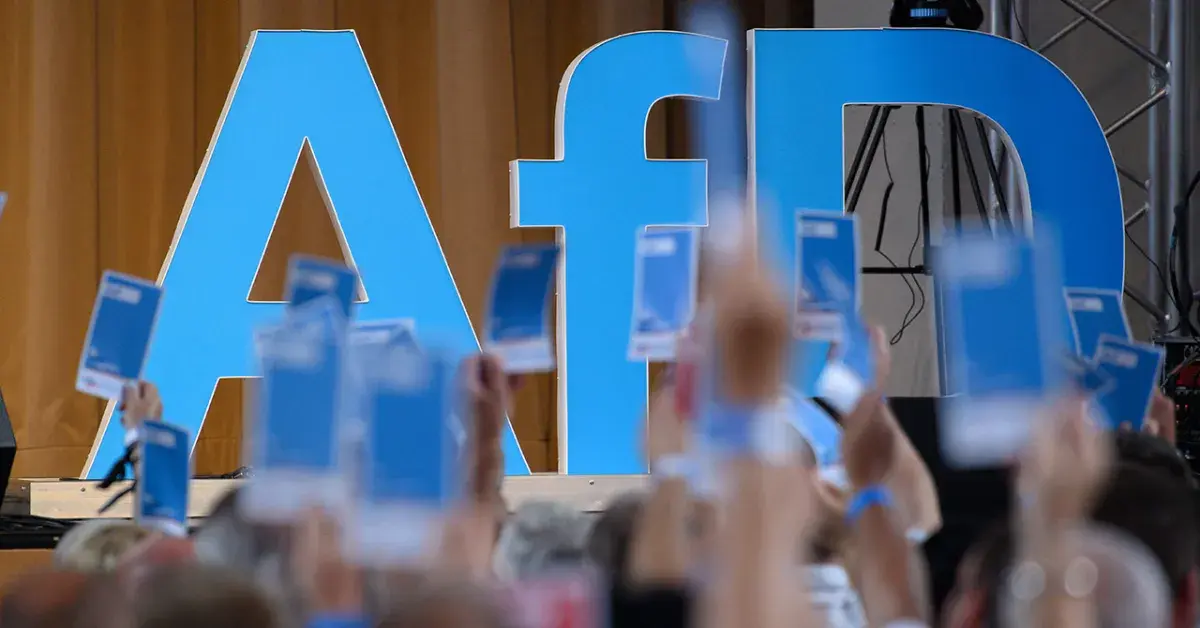
German Media Bias Shapes Public Opinion Against AfD Despite Party's Growing Support
German Media Bias Shapes Public Opinion Against AfD Despite Party’s Growing Support.
One-stop reference
Company Intelligence
Every listed company in Latin America — financials, ownership and structure for 1,450+ companies across 26 exchanges, in one place.
Browse the directory →
RT
Ask Rio Times
17 years of Latin America reporting, on demand.
Open the full Ask Rio Times →

The AfD has adapted to this hostile media environment by building strong alternative communication channels. The party leverages social media platforms to bypass traditional gatekeepers and speak directly to supporters.

AfD’s Surge Exposes Fractures in German Media

This strategy enables them to control their message and cultivate distrust toward establishment media sources. Despite the negative coverage, the AfD continues gaining popular support.

The party recently topped national polls with 26% support and holds 152 parliamentary seats. In eastern German states, the AfD leads regional elections and attracts significant youth support. These successes suggest many voters reject the mainstream media narrative.

Public opinion research reveals the power of media framing. About 61% of Germans view the AfD as an extremist party, largely based on media characterizations rather than firsthand knowledge.

This perception directly contributes to calls for banning the party without deeper examination of democratic implications. The media’s approach to the AfD reveals broader problems in German political discourse.

Economic concerns, immigration issues, and social changes driving AfD support receive insufficient attention. Instead, simplistic narratives about extremism dominate coverage.

This media environment creates a self-reinforcing cycle of polarization. The more negatively outlets portray the AfD, the more the party positions itself as an anti-establishment alternative. This dynamic further weakens public trust in institutions while strengthening populist messaging.

This article was produced by The Rio Times’ automated newsroom system. How we use AI · Report an error

Read More from The Rio Times

The Rio Times · Power Map
See who really holds power in Latin America
Click to open the Power Map

Rotate for Best Experience

This report is optimized for landscape viewing. Rotate your phone for the full experience.